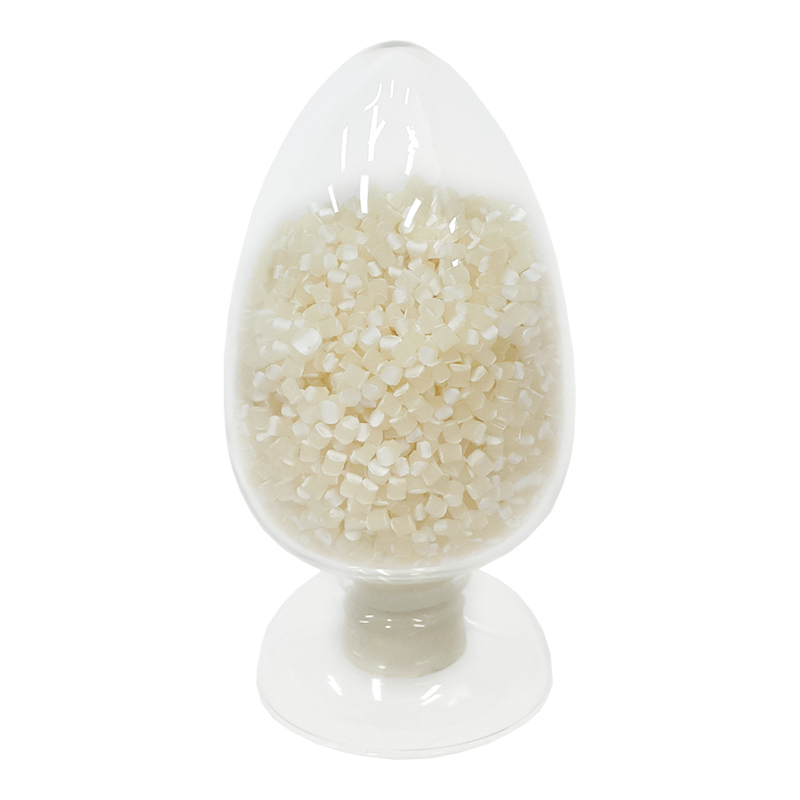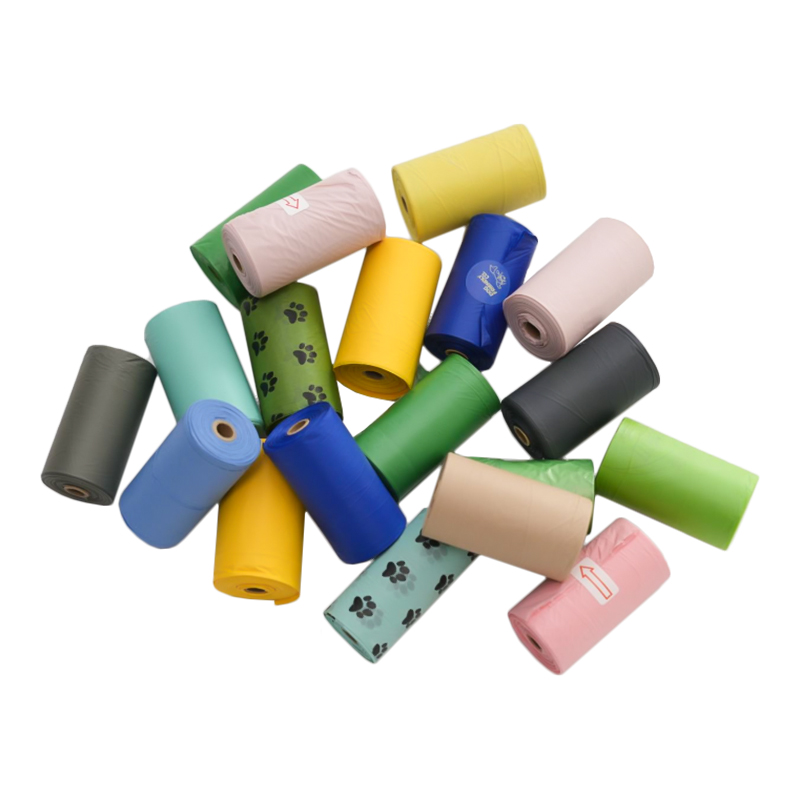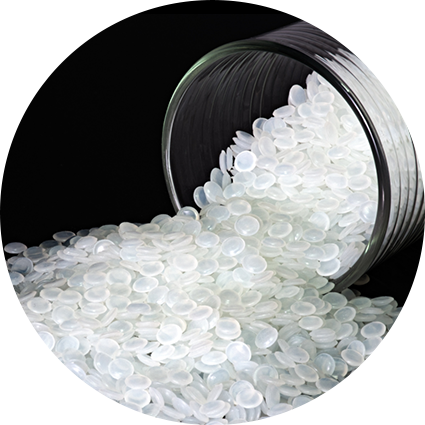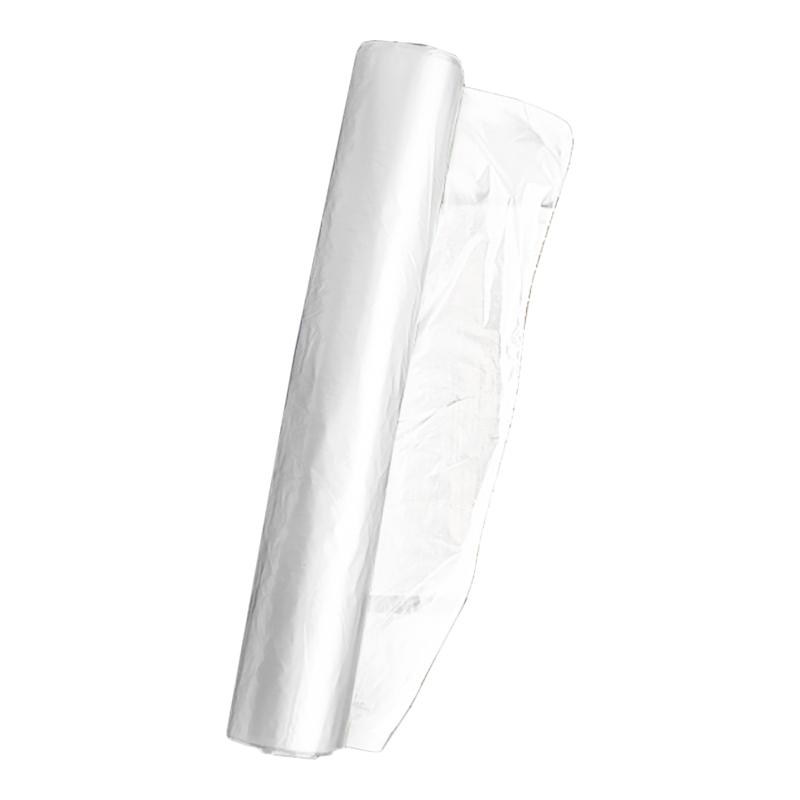

As global industries shift toward ecological responsibility, the demand for high-performance yet sustainable polymers has reached an all-time high. PP+ST Polypropylene Resin has emerged as a frontrunner in this transition, offering a sophisticated balance between technical utility and ecological preservation. This Environmentally friendly insulating bio-based material resin is an innovative blend that integrates traditional polypropylene with natural starch components, creating a hybrid matrix that addresses both functional and environmental requirements. But how does this hybrid structure redefine the standards for modern electronic and electrical insulation while maintaining a low carbon footprint in an increasingly regulated market?
The significance of this material lies in its dual-purpose engineering. It not only meets stringent green environmental standards but also offers a viable pathway for resource recycling and waste reduction. By reducing the heavy reliance on purely fossil-fuel-based plastics, PP+ST Polypropylene Resin promotes a circular economy. Its unique molecular composition provides significant renewable characteristics, making it an indispensable asset for manufacturers looking to balance high-voltage safety with environmental stewardship. This material represents a shift from "extraction-based" manufacturing to "replenishment-based" design, where the lifecycle of the product is considered from its agricultural origins to its industrial end-use.
The core innovation behind this resin is its bio-sourced component, which integrates organic chemistry with synthetic polymer science. Why is blending starch with PP considered a breakthrough for the Environmentally friendly insulating bio-based material resin sector?
By incorporating starch—a renewable biopolymer harvested from crops—into the polypropylene matrix, the overall consumption of petroleum-derived raw materials is significantly lowered. This blend ensures a more sustainable production cycle through several mechanisms:
Renewability and Carbon Sequestration: A substantial portion of the raw materials comes from sustainable agricultural sources. These plants absorb CO2 during their growth, effectively offsetting a portion of the emissions generated during the resin's processing.
Biodegradability Potential and End-of-Life: The starch component introduces pathways for easier degradation compared to traditional pure PP. While the material maintains high durability during its service life, the starch content facilitates faster breakdown in specific industrial composting or recycling environments, reducing the long-term plastic footprint.
Resource Recycling Efficiency: The resin supports modern industrial recycling programs. Unlike some bioplastics that contaminate traditional recycling streams, the PP+ST blend is engineered to be compatible with existing PP recycling infrastructures, allowing for the reuse of materials without significant loss in mechanical integrity or insulating capacity.
Safety is non-negotiable in contemporary product design, especially as regulatory bodies like REACH and RoHS tighten their grip on chemical additives. PP+ST Polypropylene Resin is inherently non-toxic and harmless by design. This ensures that during both the intense heat of the manufacturing process and the long-term end-user phase, there is no release of hazardous volatile organic compounds (VOCs) or endocrine disruptors.
This characteristic makes it exceptionally safe for human contact and prevents long-term environmental leaching into soil or water systems. By eliminating heavy metals and halogenated flame retardants, it satisfies the most rigorous safety protocols for both domestic appliances and high-end industrial applications, ensuring that the "green" label is backed by genuine biological safety.
To understand how this Environmentally friendly insulating bio-based material resin performs under industrial stress, we must look at its technical profile. The synergy between the starch and the PP creates a composite that often outperforms standard grades in specific metrics:
|
Property Category |
Technical Specification / Characteristic |
|---|---|
|
Material Composition |
Polypropylene (PP) + Starch (ST) High-Affinity Blend |
|
Classification |
Bio-based Environmentally Friendly Insulating Resin (Grade A) |
|
Electrical Insulation |
High Dielectric Strength (>25 kV/mm) / Low Conductivity |
|
Environmental Standard |
Non-toxic, Harmless, Low VOC, and Low Carbon Footprint |
|
Renewable Content |
20% - 40% Partial Bio-based (Starch-sourced) |
|
Processing Methods |
Injection Molding, Extrusion, Blow Molding, and Thermoforming |
|
Primary Safety Feature |
Halogen-free, Heavy Metal-free, and REACH Compliant |
|
Mechanical Performance |
High Impact Resistance, Low Shrinkage, and Heat Stability |
In the electronics sector, insulation is the primary barrier against short circuits, current leakage, and catastrophic fire hazards. How does the Environmentally friendly insulating bio-based material resin maintain such high dielectric performance despite its organic content?
The starch-modified polypropylene structure creates a dense molecular barrier that effectively prevents electrical leakage. Through specialized compatibilizers, the starch particles are finely dispersed within the PP matrix, ensuring there are no "weak spots" for current to penetrate. Unlike some bio-plastics that are hygroscopic (absorb moisture) and consequently lose their insulating properties, PP+ST Polypropylene Resin is engineered to remain hydrophobic and stable under varying humidity levels. This makes it an ideal candidate for:
Electrical Housings: Providing a rigid, fire-resistant shell for sensitive internal components like capacitors and microchips.
Circuit Breaker Components: Ensuring internal parts remain electrically isolated even under high-load surges, preventing arcing.
Connector Insulators: Maintaining precision and safety in micro-electronic assemblies where spacing is tight and insulation reliability is critical.
The insulation used for wires and cables must be flexible enough for installation, durable enough for decades of use, and highly resistive to electrical flow. Why is this Environmentally friendly insulating bio-based material resin specifically optimized for the cable industry?
Wires and cables often generate significant heat due to electrical resistance, especially in power-heavy applications. PP+ST Polypropylene Resin is formulated with advanced thermal stabilizers to handle elevated temperatures without melting, dripping, or losing its structural shape. The inclusion of starch, when properly treated, does not compromise the heat deflection temperature (HDT) of the PP base. Instead, it creates a composite that maintains its insulating shield even in enclosed, high-heat environments like automotive engine bays, server rooms, or underground conduits where heat dissipation is minimal.
For household wiring and signal cables, the resin offers a "green" alternative that does not sacrifice signal integrity. Its low dielectric constant ensures that signal interference and data loss are minimized, which is crucial for modern high-speed communication cables. Furthermore, its physical toughness protects the copper or fiber-optic core from mechanical abrasion during installation and prevents chemical exposure in industrial settings, ensuring a long and maintenance-free service life.
Modern industry is under immense pressure to reduce energy consumption during the manufacturing phase. How does the processing of PP+ST Polypropylene Resin contribute to overall energy efficiency?
Because starch molecules can act as a natural processing aid, the flow characteristics of the resin are often superior to pure petroleum-based PP. This leads to several energy-saving advantages:
Lower Processing Temperatures: The blend can often be processed at temperatures 10-20°C lower than traditional resins, directly reducing the electricity required for heating the barrels of injection molding or extrusion machines.
Faster Cycle Times and Productivity: Improved cooling rates and melt flow can lead to higher production throughput, allowing factories to produce more parts in less time with less energy.
Lower Carbon Footprint per Unit: The bio-based content inherently offsets the carbon emissions associated with the plastic's lifecycle. When combined with energy-efficient processing, the result is a product that significantly aids companies in reaching their "Net Zero" and carbon neutrality goals.
The automotive industry is currently one of the largest consumers of plastics, and the push for "green cars" involves more than just electric batteries; it includes the materials inside the cabin and under the hood. Where is this Environmentally friendly insulating bio-based material resin being applied?
In the automotive sector, weight reduction and recyclability are the two most critical drivers of innovation. PP+ST Polypropylene Resin is extensively used for internal electrical housings, wire harnesses, and decorative trim that requires specific electrical shielding. Its lightweight nature—often lighter than filled traditional plastics—helps in reducing the overall vehicle mass, which directly improves fuel efficiency for internal combustion engines or extends the battery range for electric vehicles (EVs). Furthermore, the non-toxic nature of the starch-PP blend ensures that the vehicle interior remains free from harmful chemical off-gassing, improving the air quality for passengers.
From washing machines and dishwashers to high-end refrigerators, home appliances are increasingly filled with complex electronic interfaces. Why is this resin preferred for both the external and internal components of these devices?
Home appliances require materials that are durable enough for daily mechanical stress but also safe for the sensitive domestic environment. The PP+ST Polypropylene Resin is used for:
Control Panel Covers and Buttons: Providing a high-quality, tactile finish with excellent electrical isolation for user-facing interfaces.
Internal Structural and Insulating Parts: Supporting the mechanical load of the appliance while acting as a secondary insulation layer for motors and pumps.
Eco-friendly Branding and Consumer Appeal: Manufacturers are increasingly using bio-based resin to appeal to environmentally conscious consumers. Using a starch-blended material allows brands to market their products as "Eco-Friendly," adding significant value through sustainability certifications and meeting the growing demand for "Circular Economy" appliances.
While insulation is its primary industrial role, why is PP+ST Polypropylene Resin also becoming a favorite for high-end packaging and daily consumer goods?
Packaging for sensitive electronics often requires anti-static or insulating properties to protect against static discharge during shipping. By using an Environmentally friendly insulating bio-based material resin, companies can provide high-protection packaging that is also much easier to dispose of or recycle than traditional multi-layered, mixed-material plastics. This material effectively bridges the gap between the industrial need for high-performance protection and the consumer demand for biodegradable, renewable, or easily recyclable packaging solutions, reducing the volume of plastic waste that ends up in landfills.
There is a common, outdated misconception that "green" or "bio-based" materials are inherently weaker or less durable than their fossil-fuel counterparts. How does PP+ST Polypropylene Resin prove this wrong through material science?
The integration of starch into the polypropylene matrix can actually improve certain performance metrics when handled with precision engineering. For example, the starch particles can act as a natural nucleating agent during the cooling process, leading to a more refined crystalline structure in the PP. This enhances the rigidity and dimensional stability of the final part, reducing the need for synthetic mineral fillers like talc or glass fiber. The result is a product that is not only "greener" but also structurally superior in terms of impact resistance and surface finish. The resin's ability to be easily colored with organic pigments further increases its versatility across multiple industrial design disciplines.
Beyond environmental impact, the biological safety of a material—especially one used in home environments—is a major concern for manufacturers and consumers alike. How does the non-toxic profile of PP+ST Polypropylene Resin protect the workforce and the end-user?
Throughout the entire lifecycle—from the raw resin granules in the factory to the finished electrical housing in a consumer's home—the material remains chemically stable. It does not contain phthalates, bisphenol A (BPA), or heavy metals like lead or mercury. For workers in manufacturing plants, this means a significantly cleaner air environment during the molding process, with no toxic fumes. For the end-user, it means that the products they interact with daily—whether a coffee machine or a car dashboard—are made from a material that is as safe as the natural starch from which it is partially derived, ensuring total peace of mind for health-conscious families.




+86 18101032584
No. 60-1, Jichuan East Road, HailingIndustrial Park, Hailing District, Taizhou City.


Copyright© Taizhou Huangyan Zeyu New Material Technology Co., Ltd. All Rights Reserved.
 Custom Fully Degradable Raw Material Manufacturers


 English
 Français
 Español
 Deutsch
 italiano