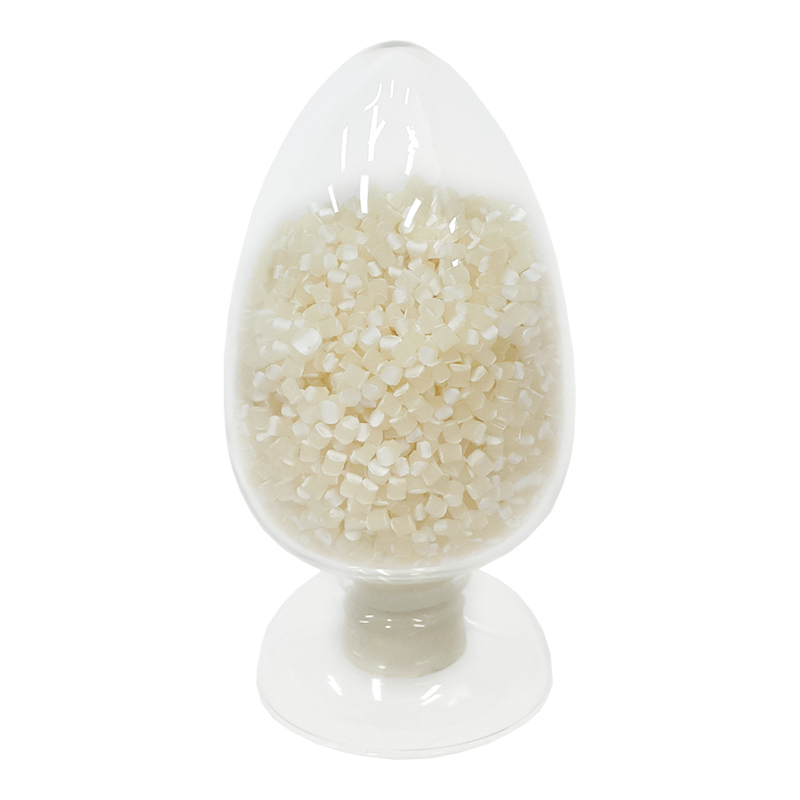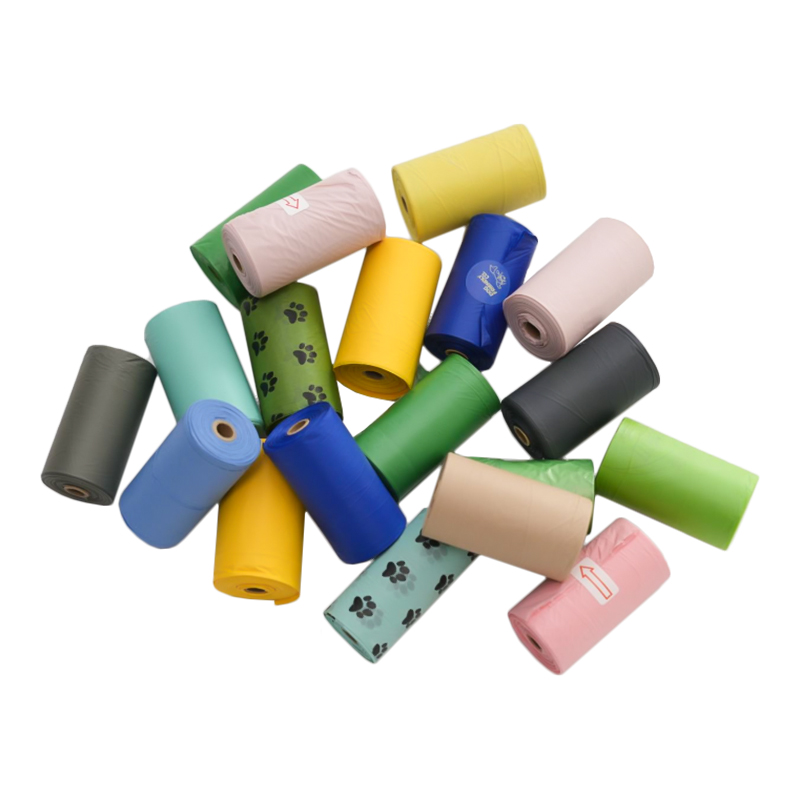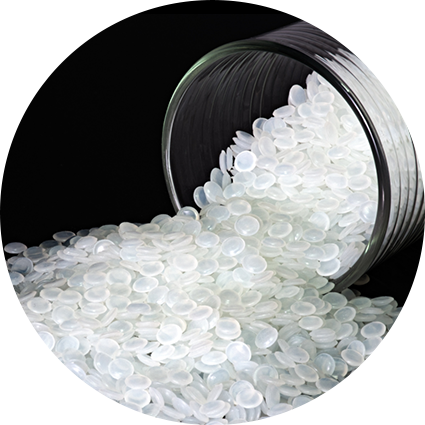

Bio-based environmentally friendly resin refers to polymers that are partially or fully derived from renewable biological resources rather than fossil fuels. The most common types include polylactic acid (PLA), which is made from fermented plant starch, typically from corn or sugarcane; polyhydroxyalkanoates (PHA), produced by bacterial fermentation of sugars or lipids; bio-based polyethylene (bio-PE), made from ethanol derived from sugarcane; bio-based polypropylene (bio-PP); and various starch blends and cellulose-based materials. These resins can be formulated for a wide range of manufacturing processes, including injection molding, extrusion, blow molding, thermoforming, and 3D printing. The final products can be rigid or flexible, transparent or opaque, durable or compostable, depending on the specific formulation and application requirements. The versatility of bio-based resins has expanded dramatically in recent years, driven by advances in polymer chemistry and growing demand from brands seeking to meet sustainability commitments.
The shift toward bio-based resins is not merely a trend but a fundamental transformation of the materials economy. Major corporations including Coca-Cola, PepsiCo, Danone, LEGO, Ford, and IKEA have announced commitments to increase their use of bio-based and renewable materials. Government regulations, particularly in the European Union and parts of Asia, are restricting single-use plastics and incentivizing bio-based alternatives. Consumers, especially younger demographics, actively seek out products with lower environmental footprints and are willing to pay premiums for sustainable options. These forces have created a rapidly growing market for bio-based resins, with projections suggesting double-digit annual growth for the foreseeable future. The following sections explore in depth why bio-based environmentally friendly resin is gaining such momentum and what factors should be considered when selecting these materials for specific applications.
The most significant environmental advantage of bio-based resins is their dramatically reduced carbon footprint compared to petroleum-based plastics. Conventional plastics are made from fossil fuels that have been sequestered underground for millions of years. When these plastics are manufactured and eventually incinerated or degraded, the carbon they contain is released into the atmosphere as carbon dioxide, contributing to climate change. Bio-based resins, in contrast, are made from biomass that absorbed carbon dioxide from the atmosphere during plant growth. This creates a closed carbon cycle: the plants capture CO2, the resin is manufactured, and at the end of its life, the carbon is released back to the atmosphere, where it can be captured again by new plants. The net increase in atmospheric CO2 is near zero, depending on the energy sources used in manufacturing. Life cycle assessments consistently show that bio-based resins have significantly lower global warming potential than their petroleum-based counterparts. For example, PLA has been shown to have a carbon footprint approximately 75% lower than conventional polystyrene and 60% lower than PET, the plastic used in water bottles. Bio-PE, made from sugarcane ethanol, can achieve negative carbon emissions when the bagasse (sugarcane waste) is burned for energy to power the manufacturing process. For companies with ambitious carbon reduction targets, switching to bio-based resins is one of the most effective strategies available.
The raw materials for bio-based resins are renewable on human timescales. Corn, sugarcane, cassava, sugar beets, and other crops are harvested annually and can be replanted season after season. Wood pulp from sustainably managed forests is also renewable, with new trees planted to replace those harvested. Agricultural waste products, such as corn stover, wheat straw, and rice husks, represent an even more sustainable feedstock because they do not compete with food production. In contrast, petroleum and natural gas are finite resources that are being depleted at rates far exceeding their natural formation. As easily accessible fossil fuel reserves are exhausted, extraction becomes more expensive, more energy-intensive, and more environmentally damaging. The price volatility of oil and gas, driven by geopolitical events and supply-demand imbalances, creates uncertainty for manufacturers. Bio-based resins, while still subject to agricultural commodity price fluctuations, offer a more stable and predictable supply chain. For companies seeking to reduce their exposure to fossil fuel markets and enhance the resilience of their supply chains, bio-based resins are an attractive option.
One of the most compelling advantages of many bio-based resins is their end-of-life options. While conventional plastics persist in the environment for hundreds or thousands of years, breaking down into microplastics that contaminate soil, water, and living organisms, many bio-based resins are designed to biodegrade under specific conditions. PLA, for example, is compostable in industrial composting facilities, where high temperatures, humidity, and microbial activity break it down into carbon dioxide, water, and biomass within 90-180 days. PHA is even more versatile, biodegrading in soil, freshwater, and marine environments, offering a solution to the problem of plastic pollution in oceans. Other bio-based resins, such as bio-PE and bio-PP, are not biodegradable but are recyclable in existing plastic recycling streams. This flexibility allows manufacturers to choose the appropriate end-of-life pathway for their specific application. For single-use products such as food packaging, cutlery, and agricultural mulch films, compostable bio-based resins offer a clear advantage. For durable goods such as automotive parts, electronics housings, and consumer products, recyclable bio-based resins allow materials to be recovered and reused. The growing infrastructure for composting and recycling, particularly in Europe and parts of Asia, is making these end-of-life options increasingly practical.
Bio-based resins are generally recognized as safe for contact with food and for use in consumer products. PLA, PHA, and other bio-based materials do not contain bisphenol A (BPA), phthalates, or other endocrine-disrupting chemicals commonly found in conventional plastics. They do not leach toxic compounds into food or beverages, and they do not release harmful fumes when heated. This safety profile makes bio-based resins particularly attractive for food packaging, beverage bottles, children's toys, tableware, and medical devices. For brands concerned about the health implications of their products, bio-based resins offer peace of mind. In addition to their inherent safety, bio-based resins are compatible with food contact regulations in major markets, including the US Food and Drug Administration (FDA) and the European Food Safety Authority (EFSA). Many bio-based resins are also certified compostable by organizations such as the Biodegradable Products Institute (BPI) in North America and TÜV Austria in Europe, providing third-party validation of their environmental claims.
The following table provides a concise overview of the key specifications for bio-based environmentally friendly resins.
| Parameter | Typical Description |
|---|---|
| Product Name | Bio-Based Environmentally Friendly Resin |
| Raw Materials | Corn, sugarcane, cassava, wood pulp, agricultural waste |
| Common Types | PLA, PHA, bio-PE, bio-PP, starch blends, cellulose-based |
| Bio-Based Content | 20% to 100% (depending on grade and application) |
| Density | 1.24-1.45 g/cm³ (comparable to PET) |
| Tensile Strength | 30-70 MPa (comparable to PS and PET) |
| Flexural Modulus | 2-4 GPa (stiff to semi-flexible) |
| Melting Temperature | 130-180°C (PLA); 120-170°C (PHA) |
| Glass Transition Temp | 55-65°C (PLA); varies for other types |
| Processing Methods | Injection molding, extrusion, blow molding, thermoforming, 3D printing |
| End-of-Life Options | Industrial composting, recycling, incineration with energy recovery |
| Certifications | USDA BioPreferred, OK compost, BPI, DIN-Geprüft Biobased |
| Typical Applications | Food packaging, disposable tableware, agricultural film, 3D printing filament, automotive parts, electronics housings, textiles |
The packaging industry is the largest consumer of bio-based resins, and for good reason. Packaging is often single-use, making it the most visible source of plastic waste. Food packaging, beverage bottles, disposable cups, cutlery, straws, bags, and food containers made from bio-based resins offer a more sustainable alternative to conventional plastics. For food service establishments, switching to compostable bio-based packaging allows them to divert waste from landfills to composting facilities. For consumer goods brands, packaging made from bio-based resins communicates environmental responsibility and appeals to eco-conscious shoppers. Major brands including Coca-Cola (PlantBottle), Danone (bio-based yogurt cups), and Nestlé (bio-based water bottles) have incorporated bio-based resins into their packaging portfolios. The performance of bio-based packaging has improved dramatically, with new grades offering heat resistance up to 100°C, making them suitable for hot beverages and microwaveable food containers.
The automotive industry has embraced bio-based resins for interior components, where they replace petroleum-based plastics without compromising performance or appearance. Door panels, dashboard components, seat backs, headliners, trunk liners, and floor mats are increasingly made from bio-based resins reinforced with natural fibers such as hemp, flax, or kenaf. Ford, for example, has used bio-based polyurethane foam in seat cushions and bio-based polypropylene in various interior components. BMW, Toyota, and Mercedes-Benz have also incorporated bio-based materials into their vehicles. The benefits extend beyond sustainability: bio-based resins are often lighter than conventional plastics, contributing to vehicle weight reduction and improved fuel efficiency. They also offer good acoustic damping properties, reducing noise inside the cabin. As automotive manufacturers face pressure to reduce the carbon footprint of their vehicles across the entire lifecycle, including manufacturing and end-of-life, bio-based resins are becoming an increasingly important part of their material strategies.
Consumer electronics manufacturers are adopting bio-based resins for housings, casings, and internal components. Laptops, smartphones, headphones, mouse devices, keyboards, and printer housings are being manufactured with bio-based plastics. The durability, impact resistance, and aesthetic qualities of bio-based resins are comparable to conventional ABS and polycarbonate, making them suitable for premium products. Fujitsu, NEC, and Samsung have all introduced bio-based plastic components in their electronics. Beyond electronics, consumer goods including toys, kitchenware, cosmetic containers, and office supplies are increasingly made from bio-based resins. LEGO has committed to making its iconic bricks from sustainable materials, including bio-based polyethylene for certain botanical elements. For brands seeking to differentiate themselves in competitive markets, the use of bio-based resins provides a compelling sustainability story that resonates with consumers.
Thousands of companies worldwide have announced commitments to reduce their carbon emissions, eliminate plastic waste, or achieve circular economy goals. These commitments are not merely public relations exercises; they are increasingly tied to executive compensation, investor expectations, and regulatory requirements. Bio-based resins offer a tangible, measurable way for brands to make progress toward these goals. Switching from petroleum-based to bio-based resins directly reduces scope 3 emissions, which are often the largest component of a company's carbon footprint. The use of bio-based resins can be quantified, reported, and verified, providing credible evidence of sustainability performance. For companies in sectors with high plastic usage, such as packaging, consumer goods, and automotive, bio-based resins are one of the most impactful strategies available.
Modern consumers are more environmentally aware than any previous generation. Surveys consistently show that a majority of consumers prefer sustainable products and are willing to pay a premium for them. This is particularly true for younger consumers, who will dominate spending in the coming decades. Products made from bio-based resins appeal to these consumers because they offer a clear environmental benefit without sacrificing performance or appearance. The ability to communicate that a product is "made from plants" or "compostable" provides a powerful marketing advantage. For brands that have built their identity around sustainability, such as Patagonia, Seventh Generation, and Method, bio-based resins are a natural fit. For mainstream brands seeking to attract environmentally conscious consumers, bio-based resins provide a credible sustainability credential.
Governments around the world are enacting regulations to restrict single-use plastics, mandate recycled content, and reduce carbon emissions. The European Union's Single-Use Plastics Directive bans certain plastic products and requires others to have reduced environmental impact. Several US states, including California, Washington, and Maine, have enacted laws restricting single-use plastics. China, once the world's largest importer of plastic waste, has banned its import. These regulatory trends will only accelerate. Manufacturers who proactively switch to bio-based resins will be better positioned to comply with current and future regulations, avoiding disruption to their supply chains and production processes. Early adopters will also gain a competitive advantage as the regulatory landscape becomes more stringent.
Bio-based environmentally friendly resin represents one of the most promising solutions to the environmental challenges posed by conventional plastics. By offering a combination of renewable sourcing, reduced carbon footprint, and end-of-life options including compostability and recyclability, these materials enable manufacturers to create products that meet performance requirements while minimizing environmental impact. The technology has advanced rapidly, and bio-based resins now offer properties that are competitive with petroleum-based plastics across a wide range of applications. For brands seeking to meet sustainability commitments, respond to consumer demand, and prepare for regulatory changes, bio-based resins are not merely an option but a strategic necessity. The transition from fossil-based to bio-based materials is underway, and it will only accelerate in the coming years. Companies that embrace this transition now will be well-positioned to lead in a more sustainable, circular economy. Whether in packaging, automotive components, electronics housings, or countless other applications, bio-based environmentally friendly resin is proving that sustainability and performance can go hand in hand. For any manufacturer serious about reducing its environmental footprint, bio-based resin deserves a place in the material portfolio. The future of plastics is green, renewable, and bio-based.




+86 18101032584
No. 60-1, Jichuan East Road, HailingIndustrial Park, Hailing District, Taizhou City.


Copyright© Taizhou Huangyan Zeyu New Material Technology Co., Ltd. All Rights Reserved.
 Custom Fully Degradable Raw Material Manufacturers


 English
 Français
 Español
 Deutsch
 italiano