
As global industries move toward greener manufacturing and carbon reduction goals, material innovation has become a critical driver of change. Traditional petroleum-based plastics, while offering excellent performance and low cost, are increasingly scrutinized for their environmental impact, especially their non-degradability and reliance on finite fossil resources. Against this backdrop, PP+ST Polypropylene Resin has emerged as a promising solution that balances sustainability with mechanical performance.
Among the new-generation materials gaining attention, fatigue-resistant PP+ST polypropylene resin SWJ/M-3501 stands out as a bio-based, environmentally friendly innovative material. By blending polypropylene (PP) with a proportion of starch (ST), SWJ/M-3501 aims to reduce the use of non-degradable plastics while maintaining the durability, lightweight nature, and processing advantages that modern industries demand.
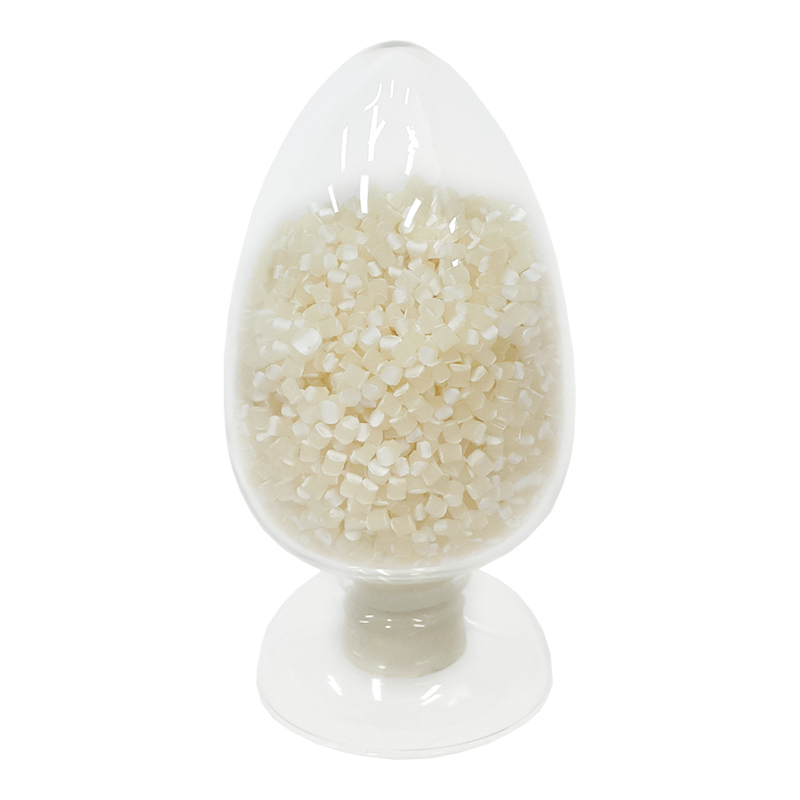
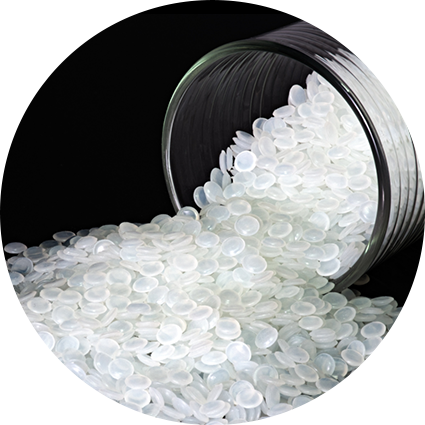
PP+ST Polypropylene Resin SWJ/M-3501 is a composite polymer material made by blending traditional polypropylene with bio-based starch components. This material design significantly reduces the overall proportion of petroleum-derived plastic while introducing renewable raw materials into the production chain.
SWJ/M-3501 is specifically engineered to deliver excellent fatigue resistance and stress cracking resistance, two properties that are critical for products subjected to repeated mechanical loads and long-term use. Despite its partial bio-based composition, the resin retains the desirable physical properties of polypropylene, such as low density, good processability, and chemical resistance.
By combining environmental responsibility with robust performance, PP+ST Polypropylene Resin SWJ/M-3501 represents a new class of materials designed for sustainable industrial development.
One of the core advantages of PP+ST Polypropylene Resin lies in its bio-based formulation. By incorporating starch, a renewable resource, into the resin matrix, SWJ/M-3501 reduces dependence on non-renewable fossil-based plastics. This approach helps lower the overall environmental footprint of plastic products without sacrificing functionality.
The use of renewable raw materials aligns with global sustainability initiatives and regulatory trends that encourage the adoption of greener materials. For manufacturers, switching to PP+ST Polypropylene Resin provides an opportunity to reduce environmental impact while maintaining product quality and performance.
Lightweight design has become a key objective across multiple industries, particularly in automotive, packaging, and electronics. PP+ST Polypropylene Resin SWJ/M-3501 retains the inherently low density of polypropylene, making it an ideal material for applications where weight reduction is essential.
In the automotive sector, reducing vehicle weight directly contributes to improved fuel efficiency and lower carbon emissions. Components made from PP+ST Polypropylene Resin can replace heavier traditional materials, supporting automakers’ efforts to meet increasingly stringent environmental regulations.
Similarly, in packaging and consumer goods, lightweight materials reduce transportation costs and energy consumption, delivering both economic and environmental benefits.
Fatigue resistance is a critical performance indicator for materials used in components that experience repeated stress, vibration, or cyclic loading. Fatigue-resistant PP+ST polypropylene resin SWJ/M-3501 is specifically designed to maintain structural integrity over long periods of use.
This property ensures that products made from SWJ/M-3501 do not easily crack, deform, or fail under repeated mechanical stress. As a result, manufacturers can rely on this material for applications that require consistent performance and long service life, even in demanding environments.
In addition to fatigue resistance, stress cracking resistance is another key advantage of PP+ST Polypropylene Resin SWJ/M-3501. Stress cracking is a common failure mode in plastic components exposed to mechanical stress, temperature fluctuations, or chemical environments.
The optimized polymer structure of SWJ/M-3501 enhances resistance to stress cracking, ensuring that products remain stable and reliable throughout their lifecycle. This makes the material particularly suitable for applications where safety, durability, and long-term reliability are critical.
The versatility of PP+ST Polypropylene Resin SWJ/M-3501 allows it to be used across a wide range of industries, supporting both functional and sustainability goals.
In the packaging industry, SWJ/M-3501 can effectively replace traditional plastics in various packaging applications. Its lightweight nature and mechanical strength make it suitable for rigid packaging, containers, and protective packaging solutions. By using PP+ST Polypropylene Resin, packaging manufacturers can significantly reduce environmental burden while maintaining performance.
In the automotive industry, SWJ/M-3501 is well-suited for interior parts and exterior decorative components. Its lightweight properties help reduce vehicle weight, while its fatigue resistance ensures long-term durability of components exposed to vibration and repeated use. Applications may include dashboards, trims, panels, and non-structural exterior elements.
In the home appliance industry, PP+ST Polypropylene Resin is used for electrical housings and internal structural parts. The material’s fatigue resistance and stress cracking resistance ensure stable performance over years of operation, even under thermal and mechanical stress. This contributes to improved product reliability and reduced maintenance costs.
In the electronics and electrical industry, SWJ/M-3501 provides a reliable material solution for both external casings and internal components. Its lightweight nature, combined with good mechanical properties, makes it suitable for a wide range of electronic devices and electrical appliances.
Another important advantage of PP+ST Polypropylene Resin SWJ/M-3501 is its compatibility with standard polypropylene processing methods. The material can be processed using common techniques such as injection molding, extrusion, and thermoforming, allowing manufacturers to integrate it into existing production lines without significant equipment changes.
This processing compatibility reduces the barrier to adoption and enables manufacturers to transition toward more sustainable materials with minimal disruption. The consistent processing behavior also ensures stable product quality and efficient large-scale production.
| Feature | PP+ST Polypropylene Resin SWJ/M-3501 | Traditional Polypropylene |
|---|---|---|
| Raw Material Source | Partially bio-based (PP + Starch) | Fossil-based |
| Environmental Impact | Reduced plastic usage, eco-friendly | Higher environmental burden |
| Density | Low (Lightweight) | Low |
| Fatigue Resistance | Excellent | Good |
| Stress Cracking Resistance | High | Moderate |
| Renewable Content | Yes | No |
| Processing Methods | Injection molding, extrusion, thermoforming | Injection molding, extrusion |
| Application Scope | Packaging, automotive, home appliances, electronics | Broad but less sustainable |
This comparison highlights how PP+ST Polypropylene Resin SWJ/M-3501 offers clear advantages in sustainability while maintaining or enhancing key performance characteristics.
The development of PP+ST Polypropylene Resin reflects a broader shift toward circular economy principles in material science. By incorporating renewable resources and reducing reliance on non-degradable plastics, SWJ/M-3501 contributes to more responsible material consumption and waste management.
For manufacturers, adopting such materials supports corporate sustainability goals and enhances brand reputation in increasingly eco-conscious markets. Consumers, in turn, benefit from products that align with environmental values without compromising quality.
Governments and regulatory bodies worldwide are introducing stricter regulations on plastic use, waste management, and carbon emissions. PP+ST Polypropylene Resin SWJ/M-3501 helps manufacturers stay ahead of these regulations by offering a compliant and future-ready material solution.
In parallel, market demand for sustainable products continues to rise. Industries that proactively adopt PP+ST Polypropylene Resin can gain a competitive advantage by meeting customer expectations for environmentally responsible products.




+86 18101032584
No. 60-1, Jichuan East Road, HailingIndustrial Park, Hailing District, Taizhou City.


Copyright© Taizhou Huangyan Zeyu New Material Technology Co., Ltd. All Rights Reserved.
 Custom Fully Degradable Raw Material Manufacturers


 English
 Français
 Español
 Deutsch
 italiano