
As global agriculture continues to modernize, farmers face a dual challenge: increasing crop yields while protecting soil health and the environment. For decades, traditional plastic mulch films have played an important role in agricultural production by improving soil temperature, conserving moisture, and suppressing weeds. However, their widespread use has also led to serious environmental concerns. Conventional mulch films are difficult to recycle completely, often leaving residual plastic fragments in the soil. Over time, these residues contribute to soil compaction, reduced soil fertility, and long-term ecological damage.
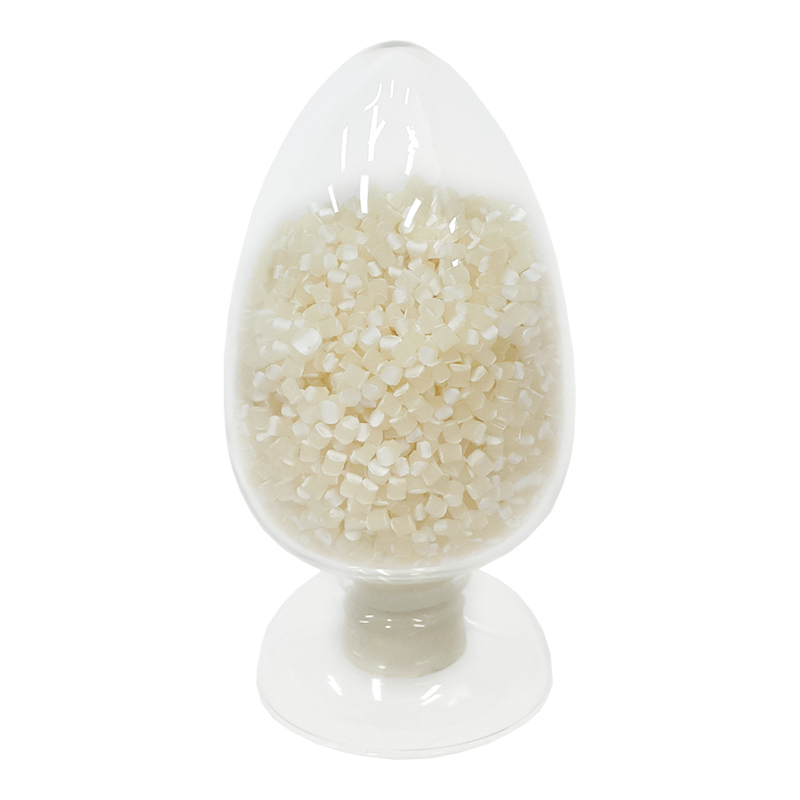
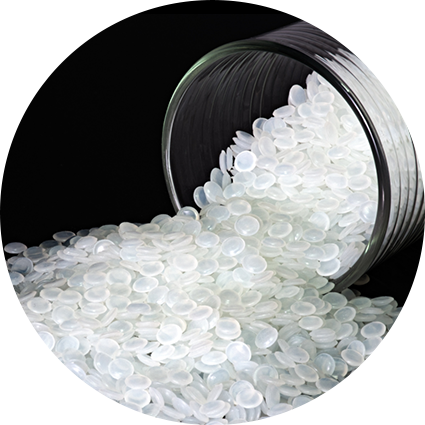
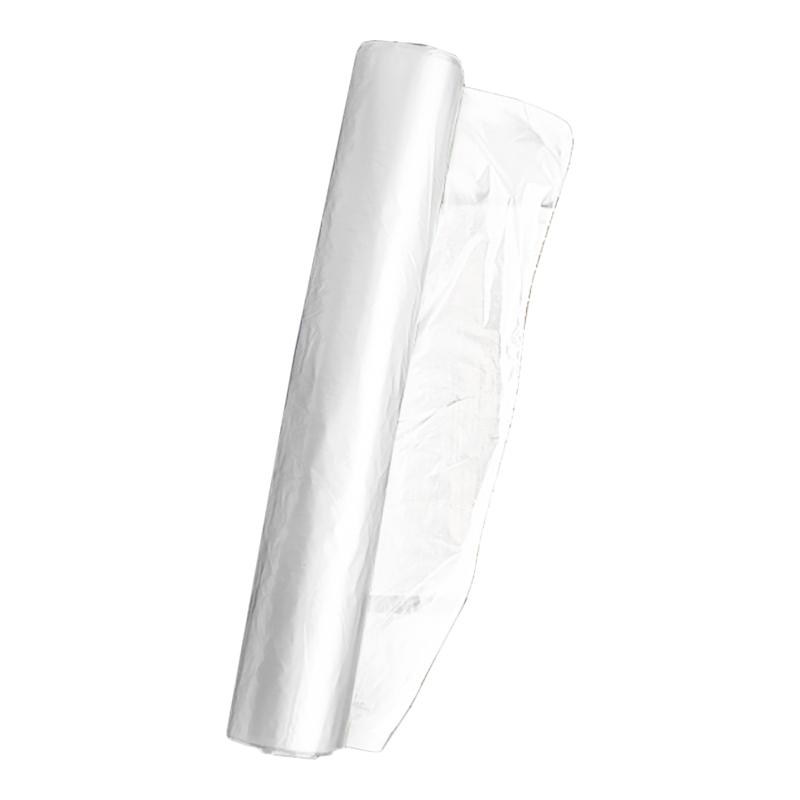
In response to these challenges, Fully Biodegradable Ground Film Material has emerged as a groundbreaking solution. Among these innovative products, the BIO/F-0051W fully biodegradable ground film material stands out as a high-performance agricultural mulch designed specifically for heat preservation, moisture retention, and environmental sustainability.
BIO/F-0051W is a special material for heat preservation and moisture retention, developed using advanced biodegradation technology. Unlike traditional polyethylene mulch films, this fully biodegradable ground film material is engineered to break down completely in the natural environment. After fulfilling its agricultural function, it degrades into harmless substances such as water, carbon dioxide, and organic matter, leaving no plastic residues in the soil.
The core concept behind BIO/F-0051W is to provide farmers with a practical and efficient alternative to conventional mulch films while addressing long-standing issues related to soil pollution and recycling costs. By integrating performance and sustainability, BIO/F-0051W supports the transition toward green and sustainable agriculture.
One of the most significant advantages of Fully Biodegradable Ground Film Material BIO/F-0051W is its ability to degrade completely under natural environmental conditions. This characteristic directly addresses the problem of soil compaction and microplastic accumulation caused by non-degradable mulch films.
After use, farmers can directly plow the ground film into the soil without the need for collection or recycling. The material gradually decomposes through microbial activity, ensuring that soil structure remains loose and fertile. This process improves soil aeration, enhances microbial diversity, and supports long-term soil health, which is critical for sustainable crop production.
Heat preservation is a vital function of agricultural mulch films, especially in regions with cold climates or during early planting seasons. BIO/F-0051W fully biodegradable ground film material offers excellent thermal insulation properties, effectively increasing soil temperature and creating a more favorable environment for seed germination and root development.
By maintaining a stable and warmer soil temperature, BIO/F-0051W helps crops germinate faster and grow more vigorously. This advantage is particularly important in cold seasons or high-altitude regions, where low soil temperatures can delay planting schedules and reduce yields.
Water scarcity is an increasing concern for agriculture worldwide. Fully Biodegradable Ground Film Material BIO/F-0051W addresses this issue by providing effective moisture retention. The material reduces water evaporation from the soil surface, helping to maintain consistent soil moisture levels.
By keeping the soil moist for longer periods, BIO/F-0051W reduces irrigation frequency and water consumption. This not only lowers production costs for farmers but also contributes to more sustainable water management practices, especially in arid and semi-arid regions.
One of the most practical benefits of BIO/F-0051W is the elimination of mulch film recycling. Traditional plastic mulch films require labor-intensive collection, cleaning, and disposal processes after harvest. These processes increase labor costs and often result in incomplete recovery, leaving plastic residues behind.
With Fully Biodegradable Ground Film Material, farmers no longer need to worry about recycling. After the growing season, the material can be tilled directly into the soil, saving time, labor, and disposal costs. This convenience significantly improves operational efficiency and allows farmers to focus more on crop management and yield optimization.
Agricultural needs vary widely depending on crop type, climate, and growing cycle. BIO/F-0051W fully biodegradable ground film material offers a customizable effective period, allowing the degradation rate to be adjusted according to the specific requirements of different crops.
For short-cycle crops such as vegetables, the material can be designed to degrade relatively quickly after harvest. For longer-cycle crops, the degradation period can be extended to ensure continuous heat preservation and moisture retention throughout the growing season. This flexibility makes BIO/F-0051W a versatile solution for a wide range of agricultural applications.
By improving soil temperature, retaining moisture, and maintaining soil health, Fully Biodegradable Ground Film Material BIO/F-0051W directly contributes to higher crop yields. Faster germination, stronger root systems, and improved nutrient uptake all result from the optimized soil environment created by this material.
Additionally, reduced labor requirements for mulch recovery and lower irrigation needs translate into lower overall production costs. These economic benefits make BIO/F-0051W not only an environmentally responsible choice but also a financially attractive option for modern farmers.
Sustainability has become a central goal in global agricultural development. Fully Biodegradable Ground Film Material BIO/F-0051W aligns closely with this objective by reducing plastic pollution, protecting soil ecosystems, and promoting resource-efficient farming practices.
The use of biodegradable mulch materials helps agriculture move toward a circular economy model, where materials return safely to the natural system after use. By adopting BIO/F-0051W, farmers actively contribute to reducing environmental impact while maintaining high levels of productivity.
BIO/F-0051W is suitable for a wide range of crops and farming systems, including open-field cultivation, greenhouse farming, and horticulture. It is commonly used for vegetables, fruits, grains, and cash crops that benefit from controlled soil temperature and moisture.
The material performs well under different climatic conditions, making it adaptable to diverse agricultural environments. Whether used in cold regions to enhance early growth or in dry regions to conserve water, Fully Biodegradable Ground Film Material demonstrates strong versatility.
| Feature | BIO/F-0051W Fully Biodegradable Ground Film Material | Traditional Plastic Mulch Film |
|---|---|---|
| Biodegradability | Fully biodegradable in natural environment | Non-degradable |
| Soil Impact | Improves soil structure and health | Causes soil compaction and residue |
| Heat Preservation | Excellent thermal insulation | Good |
| Moisture Retention | High | High |
| Recycling Required | No recycling needed | Labor-intensive recycling |
| Environmental Impact | Eco-friendly and sustainable | Plastic pollution risk |
| Customizable Degradation | Yes, adjustable effective period | No |
| Long-Term Cost | Lower overall production cost | Higher due to recycling and soil damage |
As governments and agricultural organizations worldwide implement stricter environmental regulations, the demand for biodegradable agricultural inputs continues to rise. Fully Biodegradable Ground Film Material BIO/F-0051W meets these regulatory trends by offering an environmentally compliant solution that does not compromise performance.
Its adoption also supports broader sustainability goals, including carbon reduction, soil conservation, and responsible resource use. For agricultural producers seeking to align with global sustainability standards, BIO/F-0051W provides a practical and effective pathway.




+86 18101032584
No. 60-1, Jichuan East Road, HailingIndustrial Park, Hailing District, Taizhou City.


Copyright© Taizhou Huangyan Zeyu New Material Technology Co., Ltd. All Rights Reserved.
 Custom Fully Degradable Raw Material Manufacturers


 English
 Français
 Español
 Deutsch
 italiano