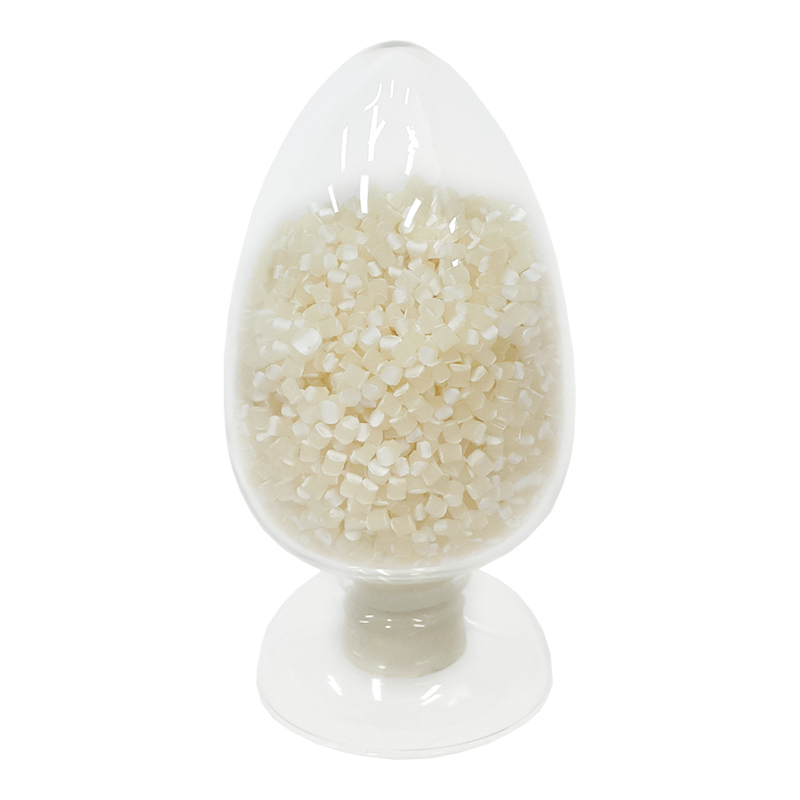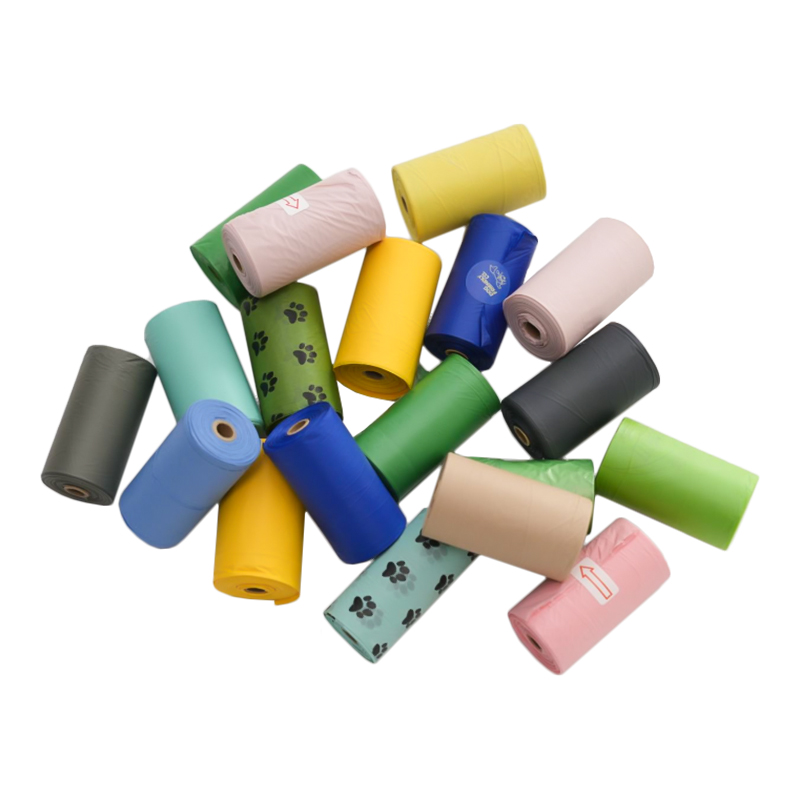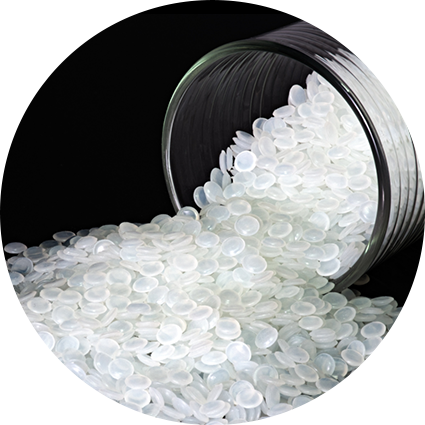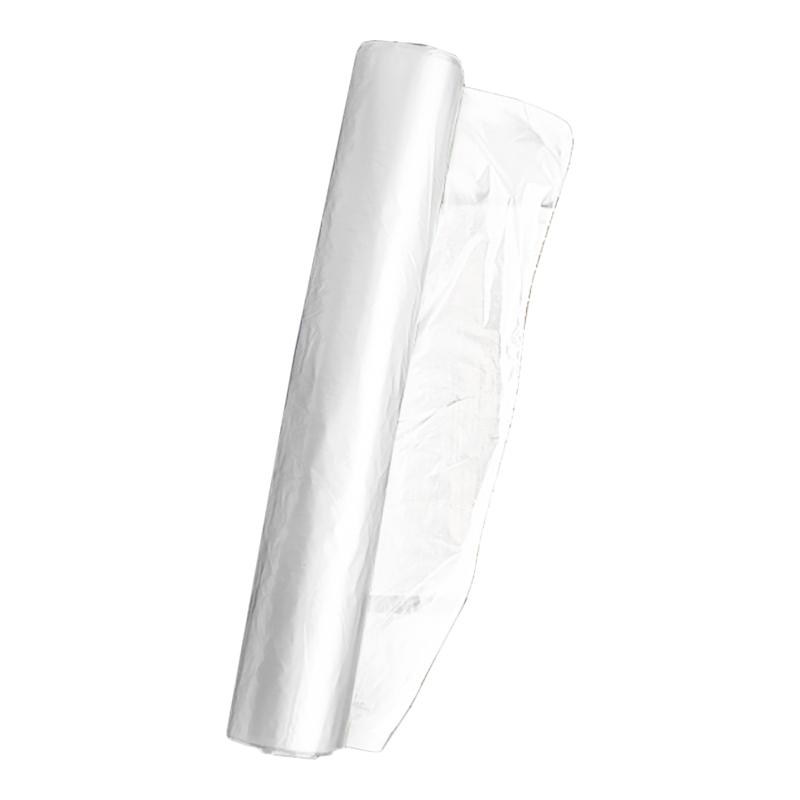

In the specialized field of agricultural materials science, the focus has shifted toward reducing environmental impact while maintaining high crop output. The emergence of Fully Biodegradable Ground Film Material, developed as a Self-degradable fully biodegradable material, marks a significant advancement in sustainable farming. This material is an environmentally friendly mulch material designed specifically for agriculture, offering a sophisticated alternative to traditional polyethylene films. By utilizing advanced biodegradable technology, this film can be completely degraded in the natural environment without the need for manual recycling, effectively reducing the "white pollution" that has historically plagued farmlands.
The primary technical value of Fully Biodegradable Ground Film Material lies in its molecular ability to break down under natural soil conditions. Unlike standard plastics that persist for centuries, this Self-degradable fully biodegradable material is engineered with polymer chains that are susceptible to microbial and environmental triggers. After the crops are harvested, the film will naturally degrade and completely transform into harmless inorganic substances without leaving any residue, ensuring a clean and safe environment for the next planting cycle.
This degradation process is carefully timed to align with the crop growth cycle. The Fully Biodegradable Ground Film Material maintains its structural integrity during the critical early stages of plant development, providing necessary protection. Once its functional purpose is served, the degradation process begins automatically. This ensures that the transition from a protective covering to a soil-integrated substance will not affect agricultural activities, and farmers do not need additional recycling and treatment, which greatly simplifies the post-harvest workflow.
Beyond its environmental benefits, the Self-degradable fully biodegradable material provides superior functional performance in the field. The material has desirable heat preservation, moisture retention, and fertilizer retention properties, which can effectively promote the growth of crops and improve crop yields and quality. By creating a stable microclimate beneath the surface, the Fully Biodegradable Ground Film Material prevents the rapid evaporation of water and the leaching of essential nutrients, allowing the plant root systems to thrive in a consistent environment.
The heat preservation property is particularly vital for early-season planting, as it allows for a controlled soil temperature that encourages faster germination. Meanwhile, the moisture retention capability of the Self-degradable fully biodegradable material reduces the frequency of irrigation required, making it an efficient tool for regions facing water scarcity. This combination of thermal and hydraulic management ensures that agricultural production becomes more resilient and predictable.
The following table summarizes the key performance indicators and technical roles of the Fully Biodegradable Ground Film Material:
|
Feature Category |
Technical Specification |
Functional Benefit |
|---|---|---|
|
Product Keyword |
Fully Biodegradable Ground Film Material |
Eliminates white pollution and post-harvest waste |
|
Material Property |
Self-degradable fully biodegradable material |
Zero residue; transforms into harmless substances |
|
Growth Support |
Heat & Moisture Retention |
Promotes faster growth and higher crop quality |
|
Operational Logic |
No Recycling Required |
Reduces management costs and labor intensity |
|
Nutrient Management |
Fertilizer Retention |
Prevents nutrient leaching and improves soil efficiency |
|
Application Range |
Agricultural Mulch & Soil Protection |
Versatile for field crops and orchard protection |
|
Economic Advantage |
Narrow Price Gap |
Reduces long-term costs of recycling and disposal |
A critical factor in the adoption of new agricultural technology is the economic burden of production. Fully Biodegradable Ground Film Material addresses this by streamlining farm operations. Traditional mulch films require significant labor and machinery costs for removal and disposal at the end of every season. However, because the Self-degradable fully biodegradable material does not require recycling, it greatly reduces management costs for the farmer.
Compared with traditional mulch films, this material has obvious advantages in performance and cost. While the initial procurement price might differ slightly from standard films, the Fully Biodegradable Ground Film Material can narrow the price gap with traditional mulch films when accounting for the labor-intensive removal process. By eliminating the need for specialized disposal and reducing the economic burden of agricultural production, it provides an environmentally friendly, economical, and efficient alternative material for agriculture.
The Self-degradable fully biodegradable material is widely used in fields such as agricultural covering films and soil protection films. Its versatility allows it to be used in various climates and for a plurality of crop types, including vegetables, fruits, and grain crops. In row-crop applications, the Fully Biodegradable Ground Film Material acts as a barrier against weeds, reducing the need for chemical herbicides and further promoting the "green" status of the farm.
In orchard management, the film is used for soil protection, preventing erosion and maintaining the nutrient density of the topsoil around young trees. The ability of the Fully Biodegradable Ground Film Material to be customized in thickness and degradation rate means that it can be tailored to the specific needs of different soil types and growing seasons. This adaptability makes it a cornerstone of modern precision agriculture, where every input is optimized for maximum efficiency.
One of the most persistent issues with traditional mulch is the accumulation of plastic fragments in the soil, which can interfere with root penetration and water movement. The Self-degradable fully biodegradable material solves this through its complete transformation into harmless inorganic substances. This ensures that the soil remains "clean" and free of microplastics, which is essential for maintaining the long-term fertility of the land.
The use of Fully Biodegradable Ground Film Material ensures that the field is ready for the next crop without the danger of residual plastic blocking seedbeds. This level of safety and cleanliness is particularly important for organic farming operations that must adhere to strict environmental regulations regarding synthetic inputs. By providing a high-performance barrier that simply vanishes after use, the material allows farmers to focus on their harvest rather than the logistics of waste management.
Ultimately, the implementation of Fully Biodegradable Ground Film Material is a decision to engineer sustainability directly into the agricultural cycle. By providing the structural benefits of traditional mulch—such as moisture retention and heat preservation—while offering a Self-degradable fully biodegradable material profile, this innovation meets the needs of modern industry for environmental protection and energy saving.
The material serves as a reliable water and nutrient delivery stabilizer, ensuring that the resources provided to the crop are utilized to their fullest potential. As the global agricultural community continues to seek high-precision results that do not compromise the health of the planet, Fully Biodegradable Ground Film Material stands as a premier example of how technical innovation can bridge the gap between economic necessity and ecological stewardship. Its ability to provide an efficient, water-saving, and cost-effective solution makes it an essential component for any modern irrigation and soil management system.




+86 18101032584
No. 60-1, Jichuan East Road, HailingIndustrial Park, Hailing District, Taizhou City.


Copyright© Taizhou Huangyan Zeyu New Material Technology Co., Ltd. All Rights Reserved.
 Custom Fully Degradable Raw Material Manufacturers


 English
 Français
 Español
 Deutsch
 italiano