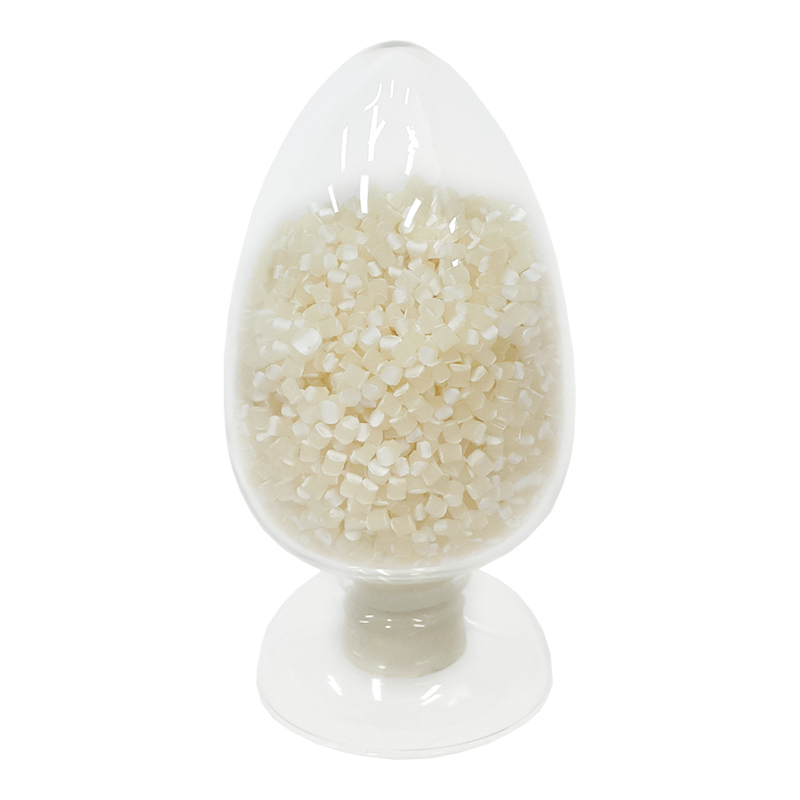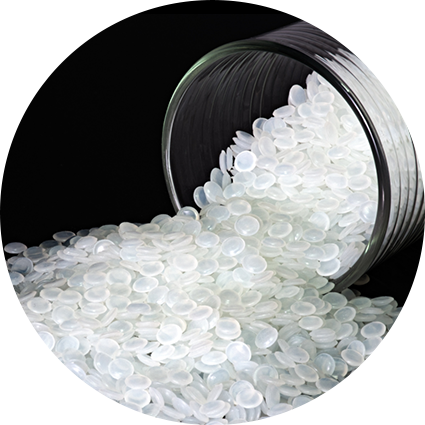

In the current landscape of high-performance polymer engineering, the focus has shifted toward materials that balance technical utility with ecological responsibility. PP+ST Polypropylene Resin, specifically formulated as an environmentally friendly insulating bio-based material resin, stands at the forefront of this transition. By synthesizing the structural rigidity of polypropylene with renewable starch components, this material provides a robust solution for industries requiring high dielectric strength and a reduced carbon footprint. This innovative resin is not merely a substitute for traditional plastics but a specialized advancement that meets the stringent safety and performance standards of modern electrical and consumer manufacturing.
The primary technical achievement of this product lies in its hybrid molecular structure. PP+ST Polypropylene Resin is an environmentally friendly innovative material, mainly made by blending part of starch with PP. This specific blend creates a matrix that leverages the moisture resistance and mechanical strength of polypropylene while incorporating the degradable and renewable properties of starch.
As a result, this environmentally friendly insulating bio-based material resin not only meets green environmental standards but also has significant renewable characteristics. Some of the raw materials of this product are renewable, which can reduce dependence on natural resources and promote the recycling of resources. This shift from 100% fossil-fuel-based polymers to starch-integrated systems is a critical step for manufacturers aiming to align with global sustainability protocols without sacrificing the physical properties of their finished goods.
For the electronics and power sectors, the most vital characteristic of a resin is its ability to inhibit the flow of electric current. The PP+ST Polypropylene Resin is engineered to maintain high surface and volume resistivity even under fluctuating thermal conditions. Its desirable electrical insulation makes it have a wide range of application potential in the electronic and electrical industry, particularly where fire safety and circuit protection are paramount.
Beyond its electrical properties, the physical stability of this environmentally friendly insulating bio-based material resin ensures that it can be molded into complex geometries with high dimensional accuracy. At the same time, its non-toxic and harmless characteristics ensure its safety during use and avoid any harm to the human body or the environment. This safety profile is especially important for components used in household environments or close-contact consumer electronics, where the off-gassing of volatile organic compounds (VOCs) must be strictly controlled.
The following table summarizes the technical attributes and functional capabilities of the PP+ST Polypropylene Resin:
|
Feature Category |
Technical Specification |
Functional Benefit |
|---|---|---|
|
Product Keyword |
PP+ST Polypropylene Resin |
High-performance starch-blended polymer |
|
Material Type |
Environmentally friendly insulating bio-based material resin |
Renewable resource integration and recycling |
|
Electrical Property |
High Dielectric Strength |
Ideal for wires, cables, and electrical housings |
|
Safety Profile |
Non-toxic and Harmless |
Safe for human contact and sensitive environments |
|
Primary Base |
Polypropylene (PP) + Starch (ST) |
Balanced mechanical rigidity and biodegradability |
|
Application Fields |
Packaging, Automotive, Home Appliances |
Versatile cross-industry utility |
|
Environmental Goal |
Energy Saving and Resource Recovery |
Reduces dependence on non-renewable petroleum |
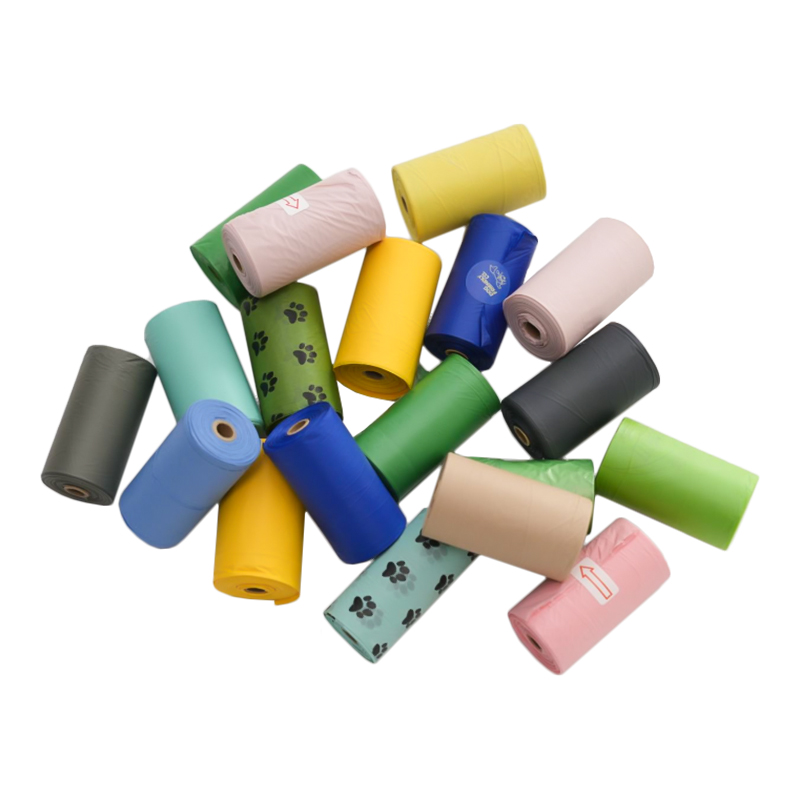
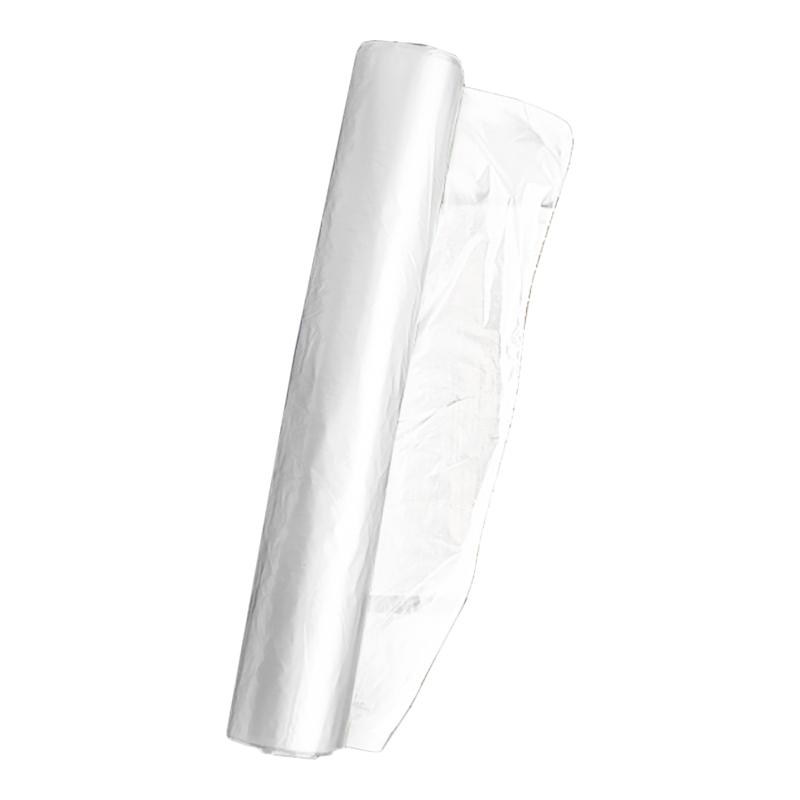
The adaptability of PP+ST Polypropylene Resin has led to its rapid adoption across diverse manufacturing sectors. This environmentally friendly insulating bio-based material resin has very outstanding environmental performance and is widely used in packaging, daily consumer goods, automobiles, and home appliances.
In the automotive sector, the resin is utilized for interior components and under-the-hood cable management systems. Its resistance to temperature variations and impact makes it a reliable choice for the demanding conditions of vehicle operation. In the home appliance industry, the material is frequently selected for electrical housings, where its insulation properties prevent short circuits and its refined surface finish contributes to the aesthetic quality of the product.
For the power distribution industry, the resin is particularly effective for wires and cables insulation materials. The ability of PP+ST Polypropylene Resin to provide a consistent barrier against electrical leakage while remaining flexible enough for cable winding represents a significant improvement over traditional insulation coatings. It not only meets the needs of modern industry for environmental protection and energy saving but also effectively improves the performance of products.
From a production standpoint, PP+ST Polypropylene Resin offers excellent processability. It can be utilized in standard injection molding, extrusion, and blow molding equipment with minimal adjustments to existing cycles. The presence of the starch component (ST) is managed through precise blending techniques to ensure that the material maintains a consistent melt flow index (MFI).
This stability is crucial for high-volume manufacturing where even minor variations in resin quality can lead to defects. Because the environmentally friendly insulating bio-based material resin is designed to be non-toxic and harmless, the manufacturing environment remains safer for operators, as no hazardous fumes are released during the heating and molding phases. This clean processing profile further enhances its appeal to manufacturers focused on corporate social responsibility and worker safety.
The integration of starch into the PP+ST Polypropylene Resin matrix directly addresses the challenge of plastic waste management. By utilizing renewable raw materials, the resin reduces the net consumption of petroleum-based feedstocks. This promotion of the recycling of resources is a core functional goal of the product.
In the packaging industry, where single-use items are common, the use of an environmentally friendly insulating bio-based material resin ensures that the discarded materials have a lower environmental impact. However, the true strength of the material is seen in its "Energy Saving" role. The production of starch-blended resins generally requires lower energy inputs compared to the synthesis of complex engineering plastics, thereby reducing the overall environmental footprint of the manufacturing facility.
Ultimately, the choice to implement PP+ST Polypropylene Resin is a decision to enhance product reliability through modern material science. By providing a surface that is both insulating and structurally sound, the resin ensures that electrical components can operate at peak efficiency for longer durations.
Whether it is used in the housing of a smart home device or as the primary insulation for high-voltage wiring, the environmentally friendly insulating bio-based material resin provides a consistent, high-safety barrier. Its wide application in automobiles and home appliances proves its resilience, while its bio-based origin proves its sustainability. As industries continue to seek materials that satisfy both the engineer and the environmentalist, PP+ST Polypropylene Resin stands as a premier example of how technical performance and ecological mindfulness can exist in a single, high-performance polymer.




+86 18101032584
No. 60-1, Jichuan East Road, HailingIndustrial Park, Hailing District, Taizhou City.


Copyright© Taizhou Huangyan Zeyu New Material Technology Co., Ltd. All Rights Reserved.
 Custom Fully Degradable Raw Material Manufacturers


 English
 Français
 Español
 Deutsch
 italiano