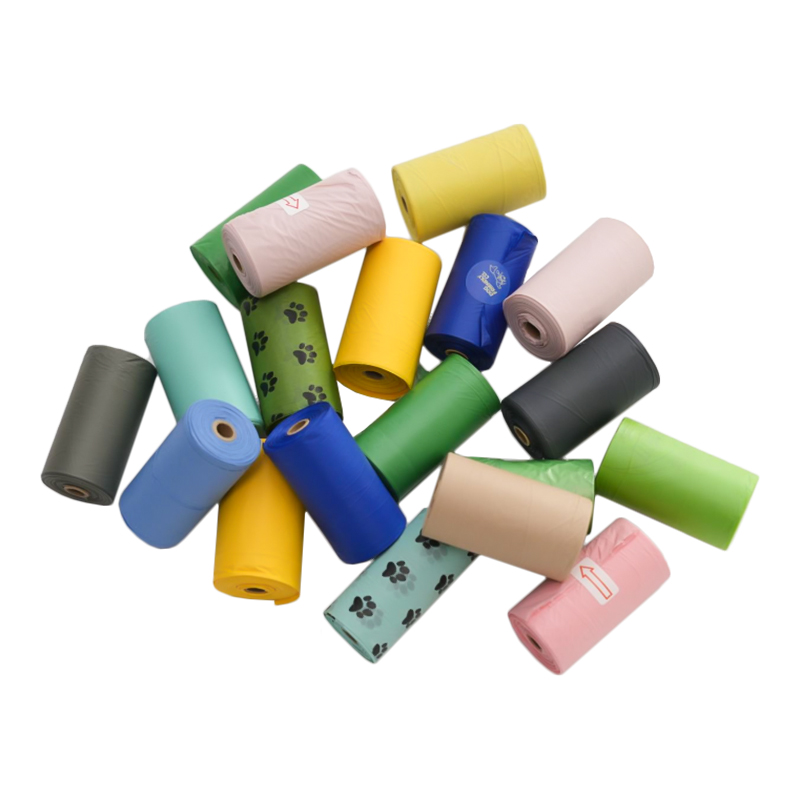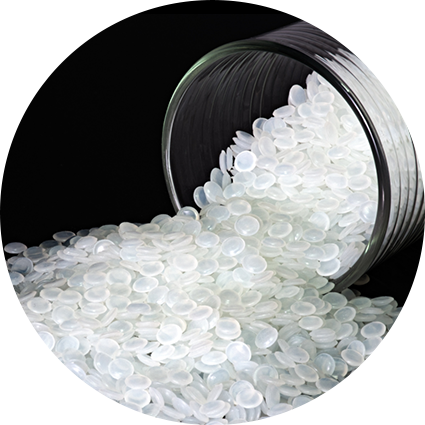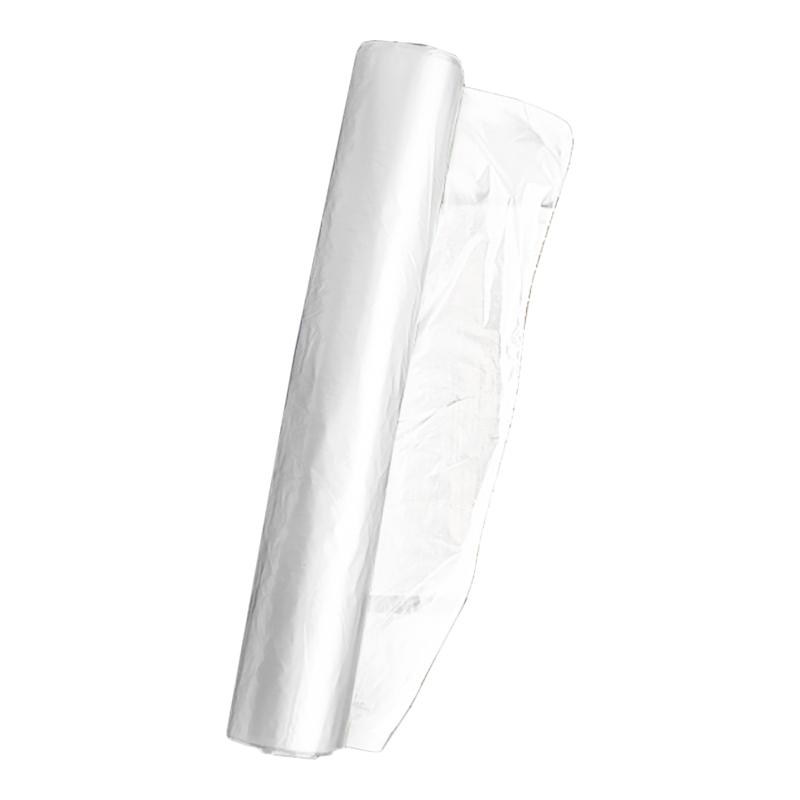

A procurement manager opens a sample box from a supplier and finds a plant-based fork, a “compostable” shopping bag, and a resin pellet labelled “bio.” The supplier says all three are biobased. The manager has one week to decide which items can go into a pilot programme for a retail chain. The first question is not whether the items sound green. The first question is what they are actually made from, how much of the carbon is renewable, and what happens when the product reaches the end of its useful life.
The short answer: examples of biobased products include industrial materials such as PLA and PHA resins, bio-based polyethylene and polypropylene compounds, packaging such as shopping bags and food wrap, disposable foodservice items such as cutlery, lunch boxes, cups, and straws, agricultural films such as mulch film, and industrial films used in logistics. The longer answer is that “biobased” describes the origin of the carbon, not automatically the disposal route. A product can be biobased and not biodegradable. A product can be biodegradable and not biobased. Some products are both. For buyers, that distinction controls certification, labelling, waste-stream fit, and price.
In general, a biobased product is one whose carbon comes wholly or partly from renewable biological resources. Those resources can be plants, agricultural residues, algae, or microorganisms. The United States Department of Agriculture, through its BioPreferred programme, uses a definition that ties biobased products to renewable agricultural materials, including plant and animal sources, and to forestry materials. The European approach is similar in principle: biobased carbon is renewable carbon, as opposed to fossil carbon.
The practical test is not a colour, a leaf logo, or a word on a brochure. The practical test is measurement. Biobased content is often reported as a percentage of biobased carbon relative to total organic carbon, using methods such as ASTM D6866 or EN 16640. A resin can be 20 percent biobased, 70 percent biobased, or over 90 percent biobased. Two suppliers can both call a grade “biobased” and still deliver very different material properties, regulatory profiles, and cost structures.
Equally important, biobased content does not equal biodegradability. PLA is biobased and can be industrially compostable under the right conditions. PHA is biobased and can biodegrade in several environments, depending on grade. Bio-based polyethylene, made from sugarcane ethanol, is chemically similar to fossil-based polyethylene and is not normally biodegradable. If a buyer needs a product to break down in a home compost heap, an industrial composting facility, soil, or a marine environment, that requirement must be tested separately from the biobased content claim.
 Fully Biodegradable Polyester Category for OEM and ODM SourcingExplore PBAT, PLA, PBST, and PHA materials for packaging, films, fibers, and other applications where complete degradation is required.View Product →
The most common examples at the material level are biobased polymers and resins. PLA, or polylactic acid, is produced from lactic acid derived from starch-rich crops such as corn, cassava, or sugar beet. It is widely used in rigid foodservice items, film, and fibres. PHA, or polyhydroxyalkanoate, is produced through microbial fermentation of sugars or lipids. It can offer different degradation profiles and barrier properties from PLA. PBAT and PBST are polyester families often used to improve toughness and processing behaviour; some routes use fossil feedstock, while newer routes can incorporate biobased building blocks. Buyers should ask for the specific grade data sheet rather than treating the family name as proof of renewable content.
Bio-based polypropylene and polyethylene compounds are another category. These resins use renewable carbon feedstocks but retain many of the processing and performance characteristics that converters already know. That matters because a converter may not need to replace existing injection moulding, blow film, or thermoforming lines. The trade-off is that the renewable carbon content may be lower than 100 percent, and the end-of-life route may still be conventional recycling or energy recovery rather than composting.
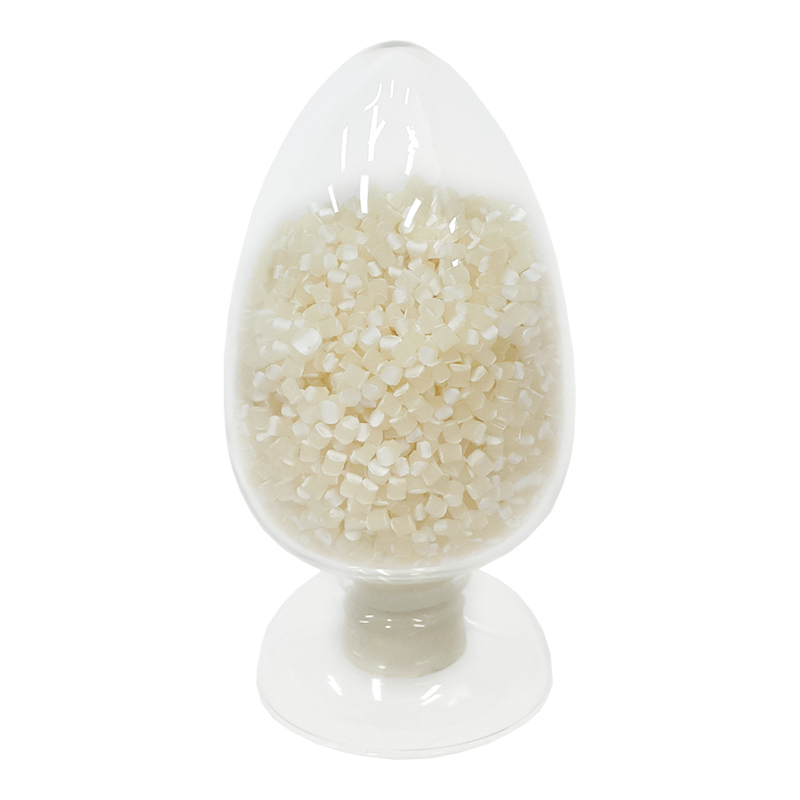 Bio-Based Environmentally Friendly Resin for Converter SourcingReview renewable-feedstock resin options, including PP+ST and PE+ST grades, for packaging, automotive, appliance, and electronic parts with varied performance needs.View Product →
For a converter, the useful question is not “Is this resin biobased?” alone. The useful question is “What biobased content can be verified, what processing window does the grade need, what food-contact status does it hold, and what end-of-life claim can legally be printed on the final article?” Those four points usually determine whether a biobased material becomes a sellable product or a failed trial.
At the packaging level, examples include shopping bags, produce bags, pet waste bags, flat-mouth garbage bags, food wrap, and industrial packaging film. Many of these products combine biobased polymers with biodegradable polyesters so that the film can meet strength, tear resistance, and heat-sealing requirements. A supermarket shopping bag, for instance, may need enough load-bearing strength for a weekly shop, while a pet waste bag may need controlled thickness and odour containment.
Food-contact packaging is a separate subcategory because it carries additional rules. A biobased film used for bread, fruit, or takeaway food must meet migration limits and food-contact regulations in the destination market. A material that performs well in a general rubbish bag may not be suitable for direct food contact. Buyers should check whether the supplier can provide food-contact statements, heavy-metal limits, and migration test summaries before sampling on a food line.
Agricultural film is another example with a different value proposition. Mulch film made from biobased or biodegradable material can be laid like conventional plastic film, but it is designed to break down in soil after the growing season. That can reduce the labour and waste cost of collecting and disposing of conventional film. However, degradation timing must match the crop cycle. If the film breaks down too early, weeds break through. If it lasts too long, it fails the purpose of the trial.
Consumer-facing examples are easy to recognise: cutlery, lunch boxes, cups, straws, plates, and takeaway containers. These items are often made from PLA, PHA, or blends with natural fibres such as sugarcane bagasse, wheat straw, or bamboo. A biobased coffee cup may use a plant-based liner instead of a fossil-based coating. A biobased straw may be made from PLA or a paper-and-biopolymer composite. A lunch box may be injection moulded from a heat-resistant PLA compound or a fibre pulp with a biobased barrier layer.
Bio-Friendly Lunch Boxes, Cups, Cutlery, and StrawsReview plant-based and degradable foodservice products for catering, takeaway, and beverage use, with practical performance considerations before adoption.View Product →
The buying considerations for these products are practical. Cutlery must not soften in hot food. Cups must hold liquid without leaking. Straws must survive a cold drink for the length of a commute. Lunch boxes must stack, seal, and tolerate microwave or dishwasher conditions if the marketing claim says so. A biobased material that meets a sustainability brief but fails a 30-minute hot-food test will not survive a restaurant rollout. Buyers should ask for samples under real service temperatures, not only lab data at room temperature.
There is also a labelling issue. In some markets, terms such as “biodegradable,” “compostable,” and “biobased” are regulated. A product may be biobased but not legally compostable in the local waste system. If the packaging carries a compostability logo without the required certification, the brand owner carries the reputational and legal risk. That is why material origin and end-of-life certification should be checked as two separate files.
The table below groups common examples and the questions a buyer should ask before approving a trial. It is not a ranking. It is a checklist for matching a material to a use case.
| Category | Example | Typical biobased route | End-of-life question | Procurement check |
|---|---|---|---|---|
| Resins | PLA, PHA, bio-based PE and PP compounds | Starch, sugar, plant oils, microbial fermentation | Industrial compost, soil, or conventional recycling depending on grade | Biobased carbon percentage, food-contact status, processing window |
| Bags | Shopping bags, pet waste bags, garbage bags | Biobased polyester blends with biodegradable polyesters | Composting or anaerobic digestion where accepted | Load strength, seal strength, thickness tolerance, certification |
| Films | Food wrap, mulch film, industrial packaging film | PLA, PHA, PBAT/PBST blends, bio-based PE | Soil biodegradation, industrial composting, or recycling | Barrier, puncture resistance, degradation timing, migration limits |
| Foodservice | Cutlery, lunch boxes, cups, straws | PLA, PHA, natural fibre composites | Industrial composting or reuse, depending on local infrastructure | Heat tolerance, leak resistance, stackability, customer handling |
Two numbers should appear in every serious quote: biobased content and certified end-of-life route. If a supplier cannot separate those two, the buyer is likely to receive a material that sounds sustainable but creates a waste problem downstream. A third number also matters: the tolerance. Film thickness, bag load strength, and cup heat tolerance all have production tolerances. A biobased grade that sits at the edge of a tolerance may pass a lab sample and fail a production run.
Retail and foodservice are the most visible channels. Supermarkets use biobased shopping bags and produce bags. Coffee shops use biobased cups and straws. Quick-service restaurants use cutlery and lunch boxes. These items are often chosen because they align with a public sustainability commitment, but they must also survive daily operational pressure. A fork that snaps in a salad bowl creates more waste than the fossil alternative it replaced.
Agriculture and industrial packaging are less visible but often more technical. Mulch film must match a crop cycle. Industrial packaging film must protect goods during transport and may need printability, puncture resistance, and moisture barrier. In these cases, the biobased content is only one specification among many. The buyer should start with the performance requirement and then ask which biobased grade can meet it, not the other way around.
Material suppliers that serve both material and finished-product markets can reduce trial risk because they can adjust a formulation rather than only sell a fixed pellet. That is especially useful when a brand owner wants a bag, film, or foodservice item with a specific thickness, colour, or composting claim. The conversation moves from “Do you have a biobased product?” to “Can you formulate a grade that meets this drop test, this heat test, and this certification?” That is a more productive procurement conversation.
If the application involves public sustainability claims, the buyer should also map the local waste infrastructure. A biobased product certified for industrial composting will not break down in a home compost bin or a landfill. If the market lacks industrial composting collection, the product may still be biobased but the end-of-life claim may not be usable in consumer messaging. The strongest programmes match material, certification, and collection reality.
The first risk is treating biobased and biodegradable as synonyms. The second is accepting a supplier declaration without a test method. The third is ignoring food-contact rules for packaging that touches food. The fourth is ordering a biobased grade without checking whether existing machinery can run it at the required line speed. The fifth is assuming that a compostable logo is valid in every country.
A practical buying sequence looks like this:
Those steps protect both the brand and the buyer. They also keep the sustainability discussion grounded in specifications. A biobased product is not automatically better for every application. It is better when the renewable carbon content, the performance profile, and the end-of-life route all match the use case.
Examples of biobased products are broad: PLA and PHA resins, bio-based polyethylene and polypropylene compounds, shopping bags, pet waste bags, garbage bags, food wrap, mulch film, industrial packaging film, cutlery, lunch boxes, cups, and straws. The list is growing because renewable feedstocks can now be used in familiar polymer families and in new biodegradable polyesters. But the useful distinction is not the label. It is whether the product's biobased content is measured, whether its end-of-life route is certified for the target market, and whether it performs in the actual application.
For buyers, the next step is to request grade-level data and a pilot plan. For suppliers, the opportunity is to help customers match renewable carbon, processing behaviour, and disposal reality rather than sell a generic green claim. If you are evaluating biobased materials for a packaging, foodservice, agricultural, or industrial project, contact our team to discuss the application and the required documentation. You can also review the future of sustainable materials for a wider view of how biobased resins are moving into commercial use.




+86 18101032584
No. 60-1, Jichuan East Road, HailingIndustrial Park, Hailing District, Taizhou City.


Copyright© Taizhou Huangyan Zeyu New Material Technology Co., Ltd. All Rights Reserved.
 Custom Fully Degradable Raw Material Manufacturers


 English
 Français
 Español
 Deutsch
 italiano