
When a component needs to insulate heat, resist electrical current, and still fit into a sustainability roadmap, the material decision gets complicated. A production engineer faced with this challenge usually starts with conventional petrochemical resins, because their mechanical and thermal data are well documented. But increasing supply chain pressure for lower carbon emissions has made bio-based alternatives more than just a niche experiment. In our experience, the right environmentally friendly insulating bio-based resin can maintain the practical performance you expect while reducing the fossil-based footprint of the finished product.
The conclusion is straightforward: bio-based insulating resins are not a compromise that forces you to trade away insulation performance. They simply require a more disciplined sourcing process. This article explains what these resins are, why they matter for insulating applications, and which technical and commercial criteria you should put on your checklist before selecting a supplier.
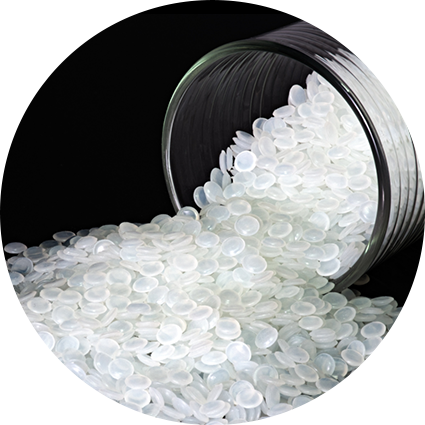
An insulating bio-based resin is a polymer system in which a significant portion of the carbon comes from renewable biological sources instead of crude oil or natural gas. Plant-derived feedstocks such as corn starch, sugarcane, vegetable oils, or agricultural residues are converted into monomers and then polymerized into resins like polylactic acid, polyhydroxyalkanoate, or bio-based polyethylene and polypropylene. The term “insulating” refers to the resin’s ability to inhibit the transfer of heat, electricity, or both. Some grades are designed mainly for thermal management, while others are formulated for electrical insulation and dielectric strength.
The distinction from a conventional resin matters in two ways. First, the bio-based carbon content can be verified by standards such as ASTM D6866, which measures the radioactive isotope ratio to determine how much carbon in the material was recently absorbed by plants. Second, some grades are designed to be biodegradable or compostable, although bio-based content and biodegradability are not the same property. A bio-based polyethylene resin, for instance, can have excellent insulating properties but may not biodegrade under standard soil conditions. Knowing the difference prevents costly errors when you order a material for a specific end-of-life requirement.
The primary driver is not marketing pressure. It is the quantifiable reduction in greenhouse gas emissions across the material’s life cycle. Because bio-based polymers start with atmospheric carbon dioxide that plants have already absorbed, the product carries a lower cradle-to-gate carbon footprint than a fossil-based equivalent. For manufacturers who must report scope 3 emissions or meet customer-specific carbon reduction targets, switching an insulating component to a bio-based resin can produce a measurable improvement without redesigning the entire system.
There is also a regulatory dimension. As extended producer responsibility rules tighten in Europe and other regions, waste streams containing fossil-based insulating materials become more difficult to dispose of or recycle. Bio-based resins can help companies anticipate future compliance requirements, especially when the resin is formulated to be compatible with organic recycling or low-impact incineration. In many cases, the transition is driven by end customers in construction, automotive, and electronics, who now ask for documented bio-based content as part of their procurement specification. We explore the wider commercialization trends in a review of bio-based resin potential, and the same drivers apply to insulating materials.
Before you compare prices, establish the performance envelope your application requires. In our work with converting and molding customers, the most common mistakes come from focusing on one property, such as thermal conductivity, while ignoring processability or long-term aging. The table below summarizes the main criteria to evaluate.
| Aspect | What to Evaluate | Why It Matters |
|---|---|---|
| Thermal insulation | Thermal conductivity, maximum service temperature, heat deflection temperature | Determines the thickness needed for energy efficiency and dimensional stability under heat load |
| Mechanical performance | Abrasion resistance, fatigue resistance, tensile strength, impact strength | Protects against wear, repeated stress, and physical damage during assembly and use |
| Electrical insulation | Dielectric strength, volume resistivity, comparative tracking index | Ensures safe operation in electrical enclosures, connectors, and insulation components |
| Processability | Melt flow rate, drying requirements, shrinkage, wall-thickness limitations | Affects cycle time, scrap rate, and whether the chosen resin fits existing molds or extruders |
| Environmental profile | Bio-based carbon content, biodegradability, recyclability, compliance with standards | Aligns with certification requirements and customer sustainability goals |
The same property can have different importance depending on the application. For a cold-chain container, thermal insulation and low-temperature toughness are non-negotiable. For an electrical switchgear component, dielectric strength and tracking resistance take priority. This is why experienced suppliers can save you time by matching a resin grade to the exact combination of properties rather than offering a single general-purpose material.
Supplier documentation is the first gate. Ask for the test report behind the bio-based carbon content claim, not just a brochure statement. Check whether the test method was ASTM D6866 or ISO 16620, because sampling procedures and reporting units differ. If you need compostability, require evidence from an independent lab using ISO 14855 or EN 13432. These documents identify whether the material will hold up in your application and in the end-of-life channel you plan to use.
Before you approve a new grade, put these checks on your list:
Next, evaluate process stability. Biological feedstocks can vary by season and origin, so a reliable resin supplier must maintain tight batch-to-batch control. In our production of bio-based resin grades, we measure melt flow and key mechanical properties on every batch to keep the processing window consistent. When you receive a certificate of analysis, check that the values are within your tolerances, not just within the overall resin specification.
One example from our own range is the SWJ-M4501 grade, which combines electrical insulation and thermal stability with a bio-based content that helps manufacturers lower their carbon footprint. A grade like this is not a universal resin; it is designed for applications where insulation and mechanical reliability must coexist. Discussing your operating temperature and required lifetime with a technical partner is the only way to confirm a match.
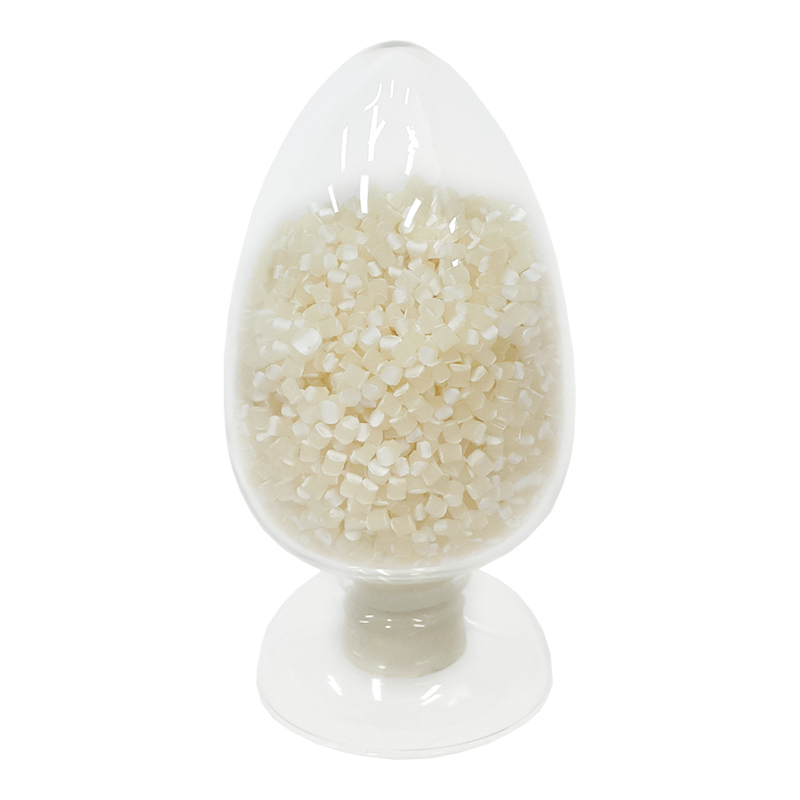 Bio-based Insulating Resin SWJ/M-4501 for Electrical and Thermal ApplicationsThis grade combines electrical insulation with thermal stability and renewable starch content, making it relevant for switchboard components, cable conduits, and consumer appliance housings where safety and lower fossil carbon matter.View Product →
Bio-based insulating resins have proven themselves beyond the lab. In building and construction, they are used in thermal break profiles, insulation panels, and HVAC component housings where heat transfer needs to be limited. In electrical engineering, switchboard components, coil bobbins, and cable conduits demand high dielectric strength and creep resistance. In consumer goods, insulation layers in electric kettles, hair dryers, and battery housings can be produced from the same type of resin, reducing the product’s fossil carbon share.
Mechanical wear is often the hidden failure mode. An insulating barrier that abrades at an edge loses its protective function long before the dielectric breakdown. That is why we developed the SWJ-M3501 grade with a wear-resistant, insulating property combination suitable for parts that slide or rub during assembly.
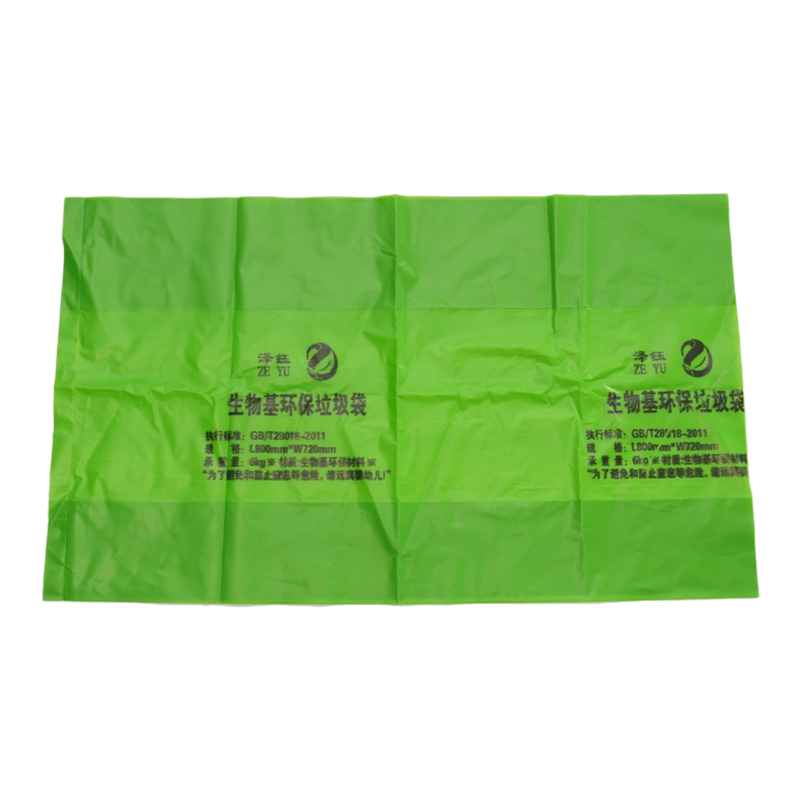 Wear-Resistant Bio-Based Insulating Material SWJ/M-3501Designed for parts that slide or rub, this material pairs wear resistance with electrical insulation, addressing hidden mechanical failure modes in housings and plugs before dielectric breakdown occurs.View Product →
For low-temperature environments, such as refrigeration units and outdoor telecommunication cabinets, the SWJ-M3503 grade provides stable impact resistance without sacrificing insulative behavior.
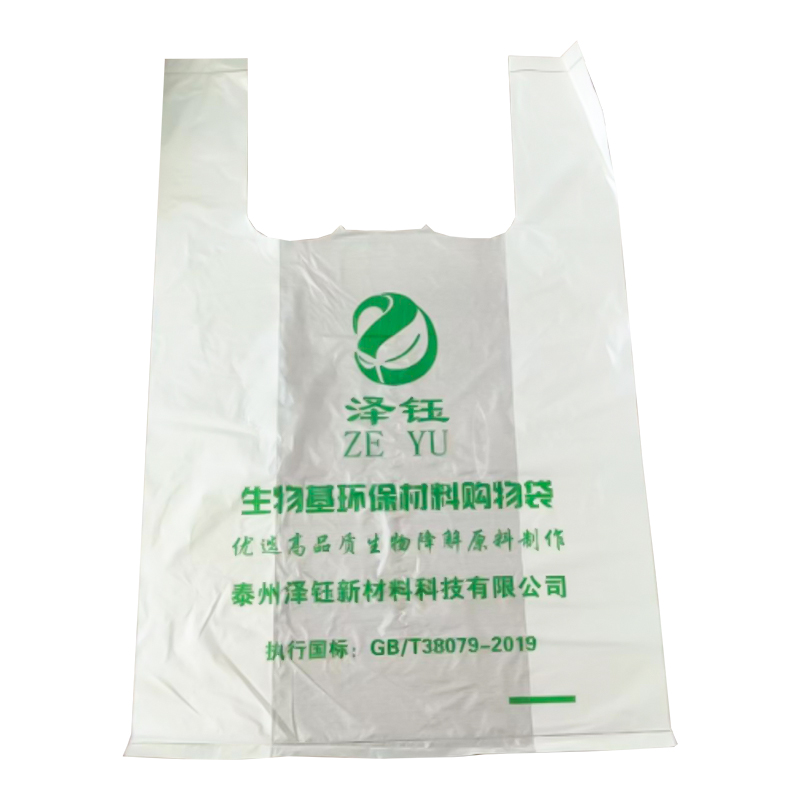 Soft Low-Temperature-Resistant PE+ST Resin SWJ/M-3503With soft touch and stable impact behavior in cold environments, this grade suits refrigeration units, outdoor telecom cabinets, and consumer goods where flexibility and low-temperature durability are required without compromising insulation.View Product →
Choosing an environmentally friendly insulating bio-based resin is not a single-product decision. It starts with a clear definition of your thermal, electrical, mechanical, and processing requirements, then moves to evidence-based evaluation of bio-based content and supply consistency. When you find a resin that meets those criteria, the environmental benefit becomes an integral part of the product, not a marketing claim bolted on later.
If you are currently evaluating a new insulating component and want to compare grades against your exact operating conditions, contact our technical team. We can share batch data, process recommendations, and application case notes to help you make the call with confidence.




+86 18101032584
No. 60-1, Jichuan East Road, HailingIndustrial Park, Hailing District, Taizhou City.


Copyright© Taizhou Huangyan Zeyu New Material Technology Co., Ltd. All Rights Reserved.
 Custom Fully Degradable Raw Material Manufacturers


 English
 Français
 Español
 Deutsch
 italiano