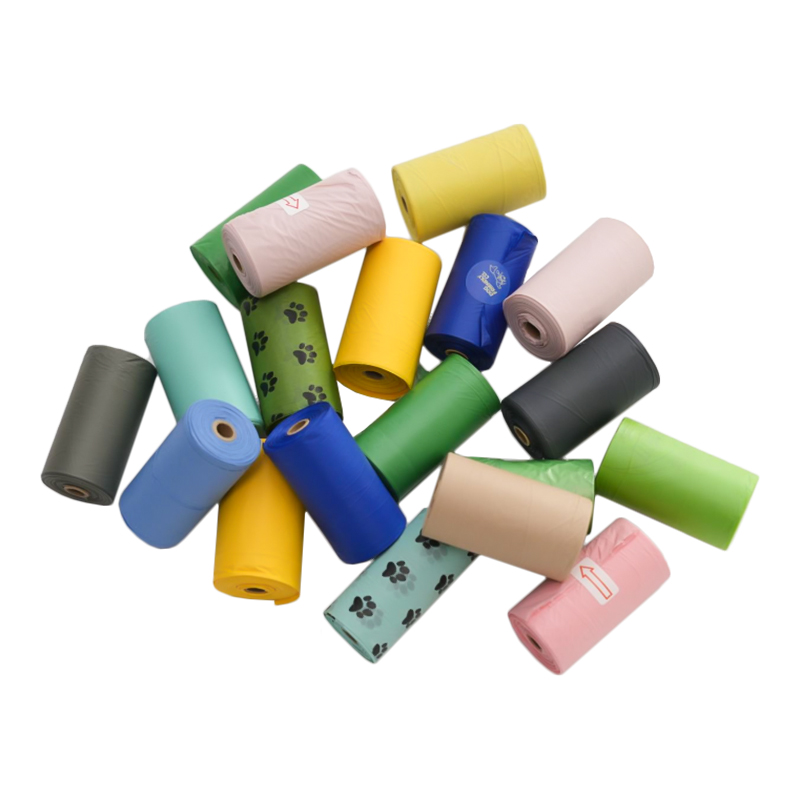

Every packaging producer eventually faces a version of the same conversation: a retail customer announces that within two quarters, all shopping bags and food containers must contain verified bio-based content. For converters and brand owners, the search for a bio-based environmentally friendly resin becomes an operational priority rather than a marketing slogan. The short answer, based on current compounding and processing experience, is that these materials can meet the mechanical, thermal, and food-contact demands of most blown-film and injection-molded products. The longer answer involves understanding the difference between bio-based feedstocks and biodegradable behaviour, and matching the resin to the actual production line.
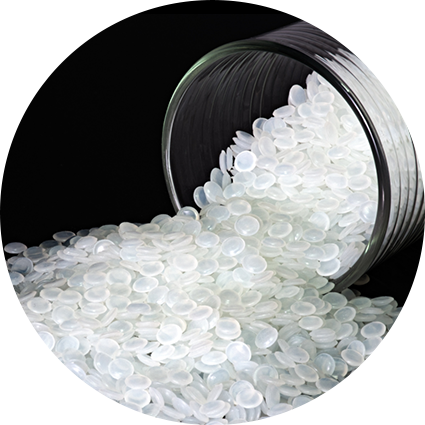
Bio-based environmentally friendly resin uses plant-derived carbon in place of all or part of the petroleum-based raw materials found in conventional polymers. In commercial supply, two distinct families carry this label. The first family includes bio-based polyolefin resins: polyethylene and polypropylene produced from bio-naphtha or similar renewable feedstocks. Because their molecular structure matches conventional polyolefins, they run on existing production equipment. The second family includes biodegradable polyesters such as PBAT, PLA, PBST, and PHA, which are engineered to break down under specific disposal conditions. Understanding which family is required matters much more than the colour of the product brochure.
Bio-based and biodegradable are two different properties. A resin can be bio-based yet not biodegradable, and a biodegradable resin can contain petroleum-derived monomers. The practical difference shows up in the feedstock and in the end-of-life pathway.
| Aspect | Bio-Based Resin | Biodegradable Resin |
|---|---|---|
| Feedstock source | Renewable plant carbon such as bio-naphtha or vegetable oil | Can be plant-derived, petroleum-derived, or a mix |
| End of life | Recycled or disposed of like conventional plastic | Breaks down under defined conditions such as industrial composting |
| Typical products | Bio-PE and bio-PP films, injection-moulded parts | PBAT/PLA blends, compostable bags, mulch film |
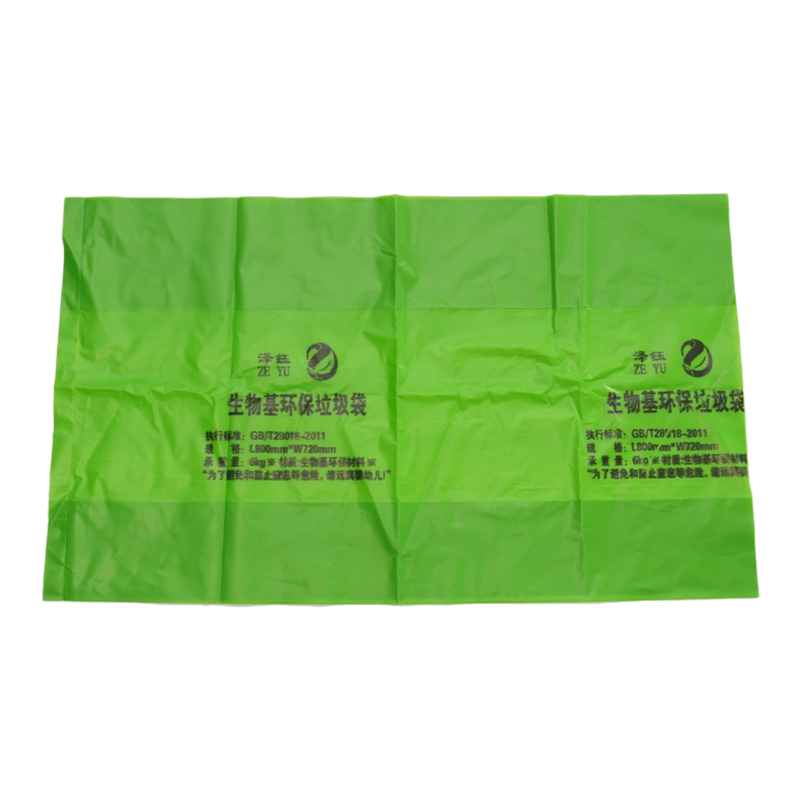
Buyers specify both properties in the same product when a customer demands compostability. A certified compostable bag, for example, combines a biodegradable polyester blend with a documented degradation rate. The certificate should state the standard, not just the word "compostable".
Polyolefin resins with renewable content are the closest drop-in solution for existing film and moulding lines. The PE+ST polyethylene resin from Taizhou Zeyu, for instance, is formulated for softness and low-temperature resistance, while the SWJ-M3501 grade emphasises wear resistance and electrical insulation. If your production line currently processes LDPE or LLDPE, a switch to these grades does not require new tooling or a different melt temperature. The processing adjustments are usually minor.
 Bio-Based PE+ST Polyethylene Resin for Durable FilmsThis polyethylene resin blend from Taizhou Zeyu suits film applications needing softness and low-temperature resistance. Its bio-based content offers a lower carbon footprint while maintaining tensile strength, making it relevant for shopping bags and packaging where toughness and sealability matter.View Product →
Biodegradable polyesters are selected when the final article must leave no persistent waste. PBAT contributes flexibility and toughness; PLA contributes stiffness and transparency; PBST and PHA add specific degradation and barrier characteristics. In practice, most film products use a blend rather than a single resin. A high-strength shopping bag, for example, may use a PBAT-rich compound to balance tear resistance with sealability.
The most mature applications for bio-based environmentally friendly resin are also the most visible in daily use.
For injection-moulded food-service items, PP+ST polypropylene resin offers a balance of rigidity and fatigue resistance. The SWJ-M4501 grade is positioned as an environmentally friendly insulating material, which makes it a candidate for hot-liquid cups and takeaway containers. Selecting this grade for food-contact production requires a migration test report, but the processing behaviour remains close to conventional PP.
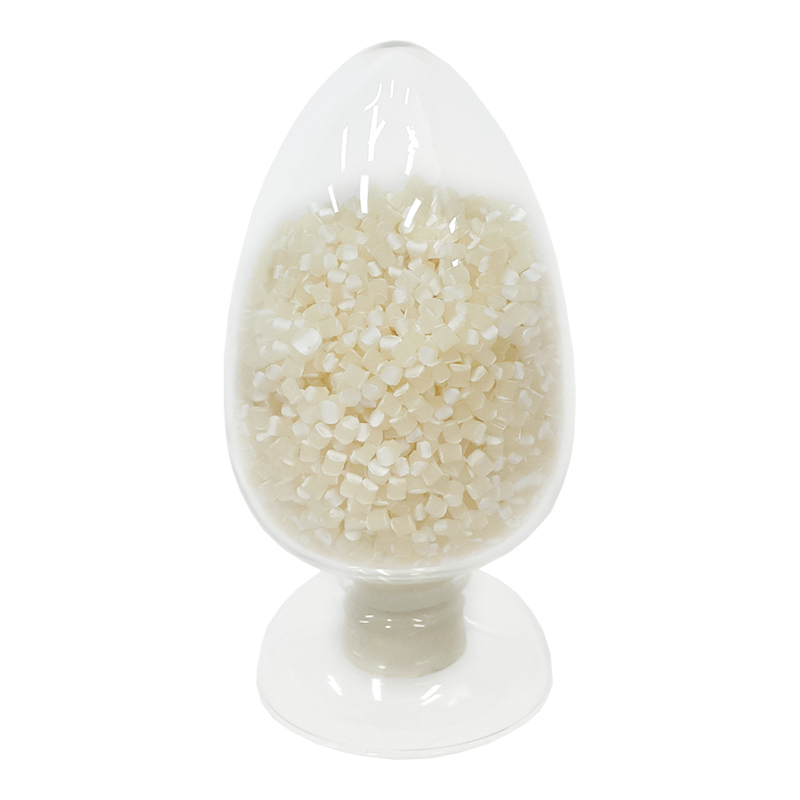 Bio-Based PP+ST Polypropylene Resin for Food-Service MoldingOffered as an environmentally friendly insulating resin, this polypropylene grade balances rigidity and fatigue resistance. It is positioned for hot-liquid cups and takeaway containers, though food-contact use requires migration testing. Processing remains close to conventional PP for easier qualification.View Product →
Conversion from conventional resin to a bio-based alternative should be treated as a qualification exercise, not a simple substitution. The following five checks keep the process disciplined.
For a broader view of where these materials are heading, an industry update on the future of sustainable materials and bio-based resins explains why brands are moving from pilot trials to procurement programs. That context helps when internal stakeholders ask why the material change is necessary.
Bio-based content and biodegradable behaviour are verification claims, not visual characteristics. A reliable supplier can provide an accredited test report for bio-based carbon content, a compostability certificate such as EN 13432 or ASTM D6400, and a safety data sheet specific to the grade. Markets with bag bans or extended producer responsibility fees often require this paperwork before a product can be legally sold. Food-contact products add migration testing and a clear declaration of intended use.
Buyers should compare the grade number on every document. A common mistake is accepting a certificate for a compound with a similar name but a different formulation.
Raw-material pricing for bio-based resins has historically run above fossil-based equivalents, but the gap has narrowed as bio-naphtha and agricultural residue feedstocks scale up. For large orders, the risk is not only the price per tonne; it is supply continuity. A manufacturer with integrated resin synthesis and compounding can control quality across batches and react faster to specification changes, which matters when a film line runs around the clock.
Taizhou Zeyu's bio-based environmentally friendly resin range, for example, spans PE+ST and PP+ST grades in one product line, allowing buyers to consolidate polymer supply instead of juggling multiple sources.
Consolidated Bio-Based Resin Line with PE+ST and PP+ST GradesThis supplier presents a single product range covering both polyethylene and polypropylene bio-based resins, enabling buyers to consolidate polymer sourcing. Grades emphasize softness, wear resistance, insulation, and fatigue resistance across film and molding applications, simplifying supply while supporting environmental goals.View Product →Switching to a bio-based environmentally friendly resin does not mean abandoning performance or waiting for an unproven technology. It means checking the material against your own line, verifying the claims with test reports, and selecting a supplier with a defined product range. When those conditions are met, the transition is usually smoother than expected.
If you are evaluating specific grades for blown film, injection moulding, or food-contact production, contact our technical team for samples, data sheets, and a direct discussion of your application.




+86 18101032584
No. 60-1, Jichuan East Road, HailingIndustrial Park, Hailing District, Taizhou City.


Copyright© Taizhou Huangyan Zeyu New Material Technology Co., Ltd. All Rights Reserved.
 Custom Fully Degradable Raw Material Manufacturers


 English
 Français
 Español
 Deutsch
 italiano