
Biodegradable plastic takes anywhere from 3 months to over 1,000 years to decompose depending on the specific plastic type, the environment in which it breaks down, and whether it has been certified to a recognized standard. The label "biodegradable" by itself tells you almost nothing useful without additional context about conditions and timescale. Compostable plastics, by contrast, are required under ASTM D6400 to break down within 180 days in a controlled industrial composting environment. These are fundamentally different performance claims.
The practical takeaway for buyers, businesses, and sustainability managers is this: if you want plastic bags or packaging that will break down completely and safely in a defined timeframe, look for products certified to ASTM D6400 (United States) or EN 13432 (European Union) rather than products labeled simply as biodegradable. When selecting Fully Biodegradable Eco-Friendly Bags or a Fully Degradable Flat-Bottom Bag for commercial or household use, certification to one of these standards is the only reliable guarantee of genuine environmental performance. Choosing the right bin bag sizes that match your waste volume is a separate but equally practical consideration that this guide also addresses.
To define biodegradable accurately is to understand the specific biological and chemical process the term describes. Biodegradable means capable of being broken down by the action of living organisms, primarily bacteria and fungi, into simpler chemical compounds including water, carbon dioxide, and in anaerobic (oxygen-free) conditions, methane. Every organic material on earth is technically biodegradable given enough time and the right microbial conditions. The meaningful question is not whether a material is biodegradable but under what conditions it degrades and how long the process takes.
The word "biodegradable" on a product label without further qualification is essentially meaningless from an environmental performance standpoint. A conventional polyethylene plastic bag will break down into smaller and smaller fragments over decades to centuries in sunlight and wind through a process called photodegradation, and the remaining microplastic fragments will eventually be consumed by soil microorganisms over hundreds of additional years. Under the broadest possible definition of biodegradable, this process qualifies as biodegradation. But it clearly does not represent the environmentally beneficial rapid decomposition that consumers expect when they see a biodegradable label.
Regulatory bodies in multiple markets have responded to this ambiguity with specific requirements. The United States Federal Trade Commission (FTC) Green Guides (16 CFR Part 260) state that a biodegradable claim is deceptive unless the product will completely break down and return to nature in a reasonably short period of time after disposal, which the FTC interprets as within one year under typical disposal conditions. The EU is implementing the Green Claims Directive, which will require substantiation of biodegradable claims with standardized test data before products can carry the label in European markets.
Not all biodegradable plastics are created equal. The material chemistry and the intended decomposition environment determine actual performance:
| Plastic Type | Industrial Composting | Home Composting | Soil | Landfill or Cold Water |
|---|---|---|---|---|
| PLA | 60 to 90 days | 1 to 5 years | 2 to 7 years | Decades or longer |
| PBAT | 90 to 180 days | 1 to 2 years | 6 to 18 months | Several years |
| PHA | 45 to 90 days | 3 to 6 months | 3 to 12 months | 1 to 3 years |
| Thermoplastic starch | 2 to 6 weeks | 2 to 4 months | 2 to 6 months | Several months to years |
| Conventional polyethylene | Does not biodegrade | Does not biodegrade | 450 to 1,000 years | Centuries |
The compostable vs biodegradable distinction is the most consequential labeling question in sustainable packaging today, yet it remains widely misunderstood by both consumers and some product marketers. The confusion is understandable because the words sound similar and are often used interchangeably in casual contexts, but they describe fundamentally different performance claims backed by different evidence standards.
Biodegradable means the material can be broken down by biological organisms. As established in the previous section, this can happen over a wide range of timescales depending on conditions. Biodegradable is not a standardized claim backed by a single test or certification. A product can legitimately be described as biodegradable if it breaks down in soil over 10 years, even though most consumers would find this timeframe unsatisfactory for a product they believe is environmentally preferable.
Critically, biodegradable products may also leave behind residues including heavy metals, chemical additives, and microplastic fragments during the breakdown process. The biodegradable label says nothing about the quality or safety of the decomposition products, only that organic breakdown occurs to some extent.
Compostable materials meet specific performance requirements for both the rate and the quality of breakdown. A compostable material must:
In practical terms, every compostable material is also biodegradable, but not every biodegradable material is compostable. A material that biodegrades slowly over decades, or that leaves behind microplastic fragments or toxic residues during breakdown, is not compostable even though it technically biodegrades eventually.
Most compostable plastic certifications, including ASTM D6400 and EN 13432, are based on industrial composting conditions. Industrial composting facilities maintain temperatures of 55 to 65 degrees Celsius, high oxygen levels through regular turning, and controlled moisture, creating the ideal conditions for rapid microbial breakdown of certified compostable materials. Many materials certified under these standards do not break down effectively in home compost bins or backyard compost piles, which operate at much lower temperatures (15 to 40 degrees Celsius) with less controlled moisture and turning frequency.
A PLA bag certified to ASTM D6400 for industrial composting may take 1 to 5 years to fully break down in a home compost bin, which is a significant performance gap that many consumers do not realize when they purchase products labeled simply as "compostable." Products certified to the OK Compost HOME standard (issued by TUV Austria) or the AS 5810 Australian home compostable standard are specifically tested under home composting conditions and represent a genuinely more accessible end-of-life pathway for household users.
ASTM D6400 is the American Society for Testing and Materials standard specification for plastics and products based on resins derived from renewable resources that are designed to be composted in municipal or industrial aerobic composting facilities. It is the most widely referenced certification standard for compostable plastics in North American markets and is accepted as equivalent or superior to EN 13432 in many international markets.
ASTM D6400 requires that certified materials pass four distinct tests, each addressing a different aspect of composting performance:
ASTM D6400 certification is issued by accredited third-party certification bodies rather than by ASTM directly. The two most widely recognized certification bodies for ASTM D6400 in North American and global markets are:
Buyers should always verify certification against the certifying body's online database rather than relying solely on the logo printed on the product packaging, because logos can be misused on non-certified products, and certification can lapse after the initial certification period without the product being retested.
Selecting the correct bin bag sizes for domestic and commercial use is a straightforward but practically important decision. Using a bag that is too small results in overfilling and torn bags that create mess and hygiene problems. Using a bag that is too large wastes material and often results in the bag slipping down into the bin because there is insufficient waste volume to hold it in place at the rim.
Bin bags are sized by their volume capacity in liters, which should match or slightly exceed the capacity of the bin they are intended to line. The following reference covers the most common bin types in residential and light commercial use:
| Bin Type | Typical Bin Capacity (litres) | Recommended Bag Size (litres) | Approximate Bag Dimensions | Common Use |
|---|---|---|---|---|
| Small bathroom or desk bin | 5 to 8 L | 5 to 10 L | 30 x 40 cm to 35 x 45 cm | Bathroom, bedroom, office desk |
| Kitchen pedal bin | 20 to 30 L | 25 to 35 L | 50 x 60 cm to 55 x 65 cm | Household kitchen general waste |
| Wheelie bin (standard residential) | 120 to 140 L | 120 to 150 L | 70 x 100 cm to 80 x 110 cm | Residential general waste, garden waste |
| Large wheelie bin (commercial) | 240 L | 240 to 260 L | 90 x 130 cm to 100 x 140 cm | Commercial premises, multi-unit residential |
| Office or catering bin | 50 to 80 L | 60 to 90 L | 60 x 80 cm to 70 x 95 cm | Office common areas, catering kitchens |
Bin bag thickness is measured in microns (one micron equals one thousandth of a millimeter) or in gauge for some North American market products. The correct thickness for a given application depends on the weight and sharpness of the waste being contained:
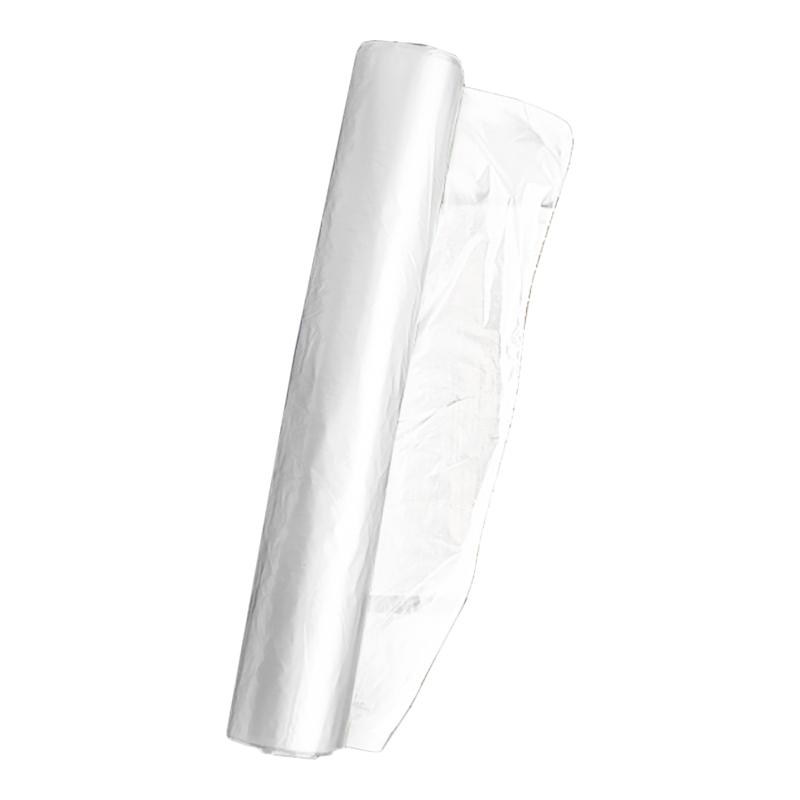
A Fully Degradable Flat-Bottom Bag is a specific packaging format that combines the ecological credentials of fully degradable materials with a flat-bottom construction that provides superior stability, capacity, and presentation compared to conventional sealed-bottom bags. The flat bottom allows the bag to stand upright independently when filled, which is a significant practical advantage in retail display, food service, and waste management applications where bags must remain stable on a surface without support.
The flat-bottom construction in a Fully Degradable Flat-Bottom Bag involves a gusseted base that unfolds when the bag is filled, creating a square or rectangular bottom panel. This construction distributes the weight of the bag contents across the entire base area rather than concentrating it at a single sealed point as in a pillow-bag or fin-seal construction. The practical results are:
Fully Biodegradable Eco-Friendly Bags is the broadest commercial product category within sustainable packaging, encompassing everything from small food-safe produce bags to large garden waste sacks. The "eco-friendly" descriptor is heavily used in marketing but carries no standardized legal definition in most markets, meaning that buyers must apply their own verification criteria to distinguish genuinely superior environmental products from greenwashing.
When certified and properly disposed of through industrial composting, Fully Biodegradable Eco-Friendly Bags deliver measurable environmental benefits compared to conventional polyethylene bags:
The regulatory environment for biodegradable and compostable bags is evolving rapidly in most major markets, driven by growing concern about plastic pollution, consumer demand for sustainable alternatives, and the growing recognition that unverified biodegradable claims contribute to greenwashing rather than genuine environmental improvement.
The answer depends heavily on the specific type of biodegradable plastic. PLA, the most common material in certified compostable bags, can take 1 to 5 years in a home compost bin because home composting temperatures (typically 15 to 40 degrees Celsius) are far below the 58 degrees Celsius required for rapid PLA breakdown. PHA-based bags and thermoplastic starch bags biodegrade much faster in home compost, often within 3 to 6 months. If you want a bag that will genuinely break down in your home compost, look specifically for products certified to the OK Compost HOME standard or AS 5810, which require testing under actual home composting conditions rather than industrial composting conditions.
Biodegradable means the bag material can be broken down by microorganisms, but says nothing about how long this takes or what residues remain. Compostable means the bag meets specific standards (such as ASTM D6400 or EN 13432) requiring breakdown within a defined timeframe (typically 180 days in industrial composting), leaving no visible fragments and no ecotoxic residues. All compostable bags are biodegradable, but most biodegradable bags are not compostable. The compostable designation is more meaningful and more verifiable for buyers making environmentally motivated purchasing decisions.
ASTM D6400 requires that certified materials pass four tests: a biodegradation test showing 90% carbon conversion to CO2 within 180 days at 58 degrees Celsius; a disintegration test showing no fragments larger than 2mm remain after 12 weeks; an ecotoxicity test confirming the resulting compost does not impair plant germination or growth; and a heavy metals content test confirming that specified metals including arsenic, lead, cadmium, and mercury do not exceed safe limits. Products must be tested by an accredited laboratory and certified by a recognized third party such as BPI to legitimately display ASTM D6400 compliance claims.
A standard kitchen pedal bin with a capacity of 20 to 30 litres requires a bin bag of 25 to 35 litres capacity to provide adequate overhang at the rim to prevent the bag from slipping into the bin as it is filled. The overhang should be at least 10 to 15 cm around the rim to allow secure folding or tucking over the bin edge. A bag sized too close to the bin capacity with minimal overhang will pull down into the bin once the first heavy items are added, making the bag difficult to remove and creating hygiene problems. For a 25-litre kitchen bin, a 30 to 35 litre bag with approximate dimensions of 50 x 60 to 55 x 65 cm is the most practical specification.
Yes, provided the specific bag you select is certified for food contact under the applicable food safety regulations in your market. Not all Fully Degradable Flat-Bottom Bag products are manufactured with food-grade materials or under food-safe manufacturing conditions. For food contact applications, look for bags that carry both a composting certification (ASTM D6400 or EN 13432) and a food contact safety certification (EC Regulation 10/2011 for EU markets, FDA 21 CFR compliance for US markets). Flat-bottom bags used for dry foods such as coffee, grains, dried fruits, and snacks require food-grade certification; those used for non-food waste collection do not.
Generally no. Landfills are designed to contain waste, not to accelerate biological breakdown. They are typically anaerobic (oxygen-free), lack the active microbial communities that drive rapid biodegradation, and have temperatures far below those needed for certified compostable materials to break down. PLA-based compostable bags placed in a landfill may persist for decades with minimal degradation, performing no better than conventional plastic bags in the landfill environment. The environmental benefit of biodegradable and compostable bags is only realized when they are disposed of through appropriate channels: industrial composting for ASTM D6400 certified bags, or home composting for OK Compost HOME certified bags.
Most PLA-based and starch-based Fully Biodegradable Eco-Friendly Bags have a shelf life of 12 to 24 months under correct storage conditions (cool, dry, away from direct sunlight, below 25 degrees Celsius). Storage in hot, humid conditions significantly accelerates degradation and can cause PLA bags to become brittle and prone to cracking within weeks. PBAT-based bags are generally more storage-stable than pure PLA bags. Buyers purchasing Fully Biodegradable Eco-Friendly Bags in large quantities should verify the manufacturing date, check the stated shelf life, and confirm that storage conditions at the distribution center and end-use location are appropriate to maintain bag integrity until the point of use.
No. Compostable and biodegradable bags are not accepted in curbside plastic recycling collections in any mainstream municipal recycling program. They are incompatible with conventional plastic recycling because their different melting points and polymer chemistry contaminate the recycled plastic stream and reduce the quality of the recycled output. Compostable bags must go to composting facilities, not plastic recycling. Placing compostable bags in plastic recycling bins is worse than placing conventional bags there because the contaminant is less easily visible and sorted out at the materials recovery facility.
To define biodegradable accurately for purchasing or compliance purposes, require that any biodegradable claim be accompanied by three pieces of information: the specific test standard used to verify biodegradability, the conditions (temperature, environment, oxygen level) under which the test was conducted, and the timeframe within which the specified degree of biodegradation occurred. A claim of "biodegradable" without these three qualifications tells you only that the material eventually breaks down under some conditions at some point in time, which is true of virtually every organic material and provides no meaningful basis for environmental decision-making.
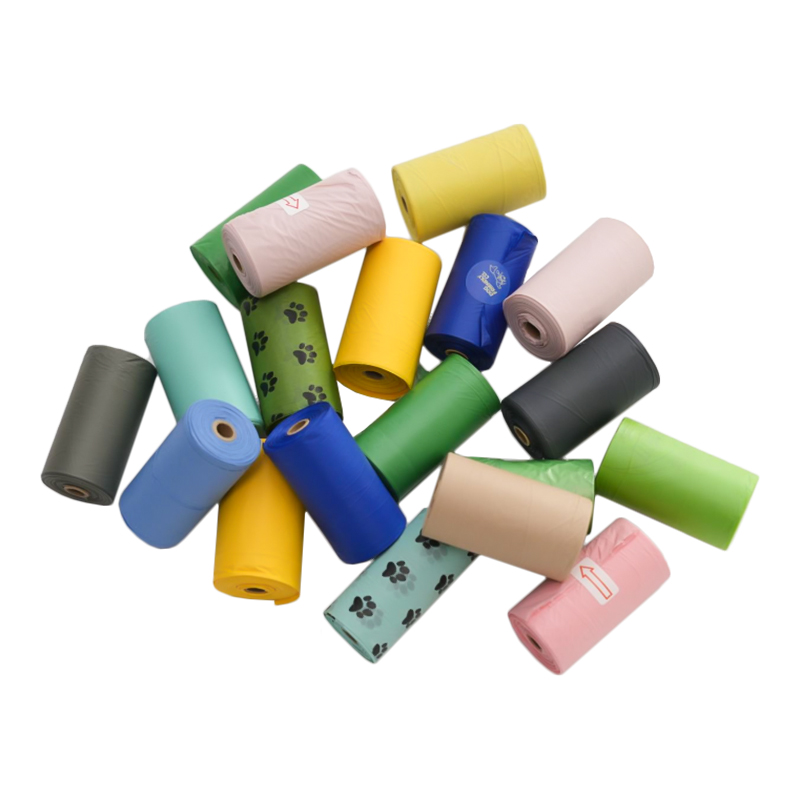
Fully Biodegradable Eco-Friendly Bags and compostable bin liners are commercially available in all the common bin bag sizes from small 5 to 10 litre bathroom and desk bin liners through 20 to 35 litre kitchen pedal bin liners and up to 80 to 120 litre large bin liners for commercial and garden waste applications. The most widely available sizes in certified compostable formulations are the 10-litre food caddy liner (for organic waste collection) and the 25 to 35 litre kitchen bin liner, because these sizes align with the organic waste collection programs run by many municipal authorities that specifically require certified compostable bags. Very large sizes (above 120 litres) in certified compostable materials are less widely available because the thicker film required for structural integrity at large sizes makes it more challenging to achieve the ASTM D6400 biodegradation test requirements within the 180-day timeframe.




+86 18101032584
No. 60-1, Jichuan East Road, HailingIndustrial Park, Hailing District, Taizhou City.


Copyright© Taizhou Huangyan Zeyu New Material Technology Co., Ltd. All Rights Reserved.
 Custom Fully Degradable Raw Material Manufacturers


 English
 Français
 Español
 Deutsch
 italiano