
The environmental toll of these materials has become impossible to ignore. As plastic debris accumulates in our oceans and landfills, the demand for Fully Biodegradable Eco-Friendly Bags has surged from a niche preference to a global necessity. This transition represents more than just a change in material; it is a fundamental shift toward a circular economy where packaging contributes back to the earth rather than polluting it for centuries.
Understanding the complexity of this shift requires a deep dive into what makes a product truly biodegradable. Many consumers and businesses are often confused by terms like green, sustainable, or degradable. A Fully Biodegradable Eco-Friendly Bags solution is defined by its ability to break down completely into natural elements such as carbon dioxide, water, and biomass through the action of naturally occurring microorganisms like bacteria, fungi, and algae. This process must occur within a specific timeframe and leave no toxic residues or microplastics behind. By choosing to switch, businesses are not only adhering to stricter environmental regulations but are also aligning themselves with the values of an increasingly eco-conscious consumer base.
To appreciate the value of these advanced carriers, one must examine the molecular chemistry that differentiates them from conventional polyethylene. Traditional plastics are made of long chains of polymers that are specifically engineered to resist breakdown, which is why a standard plastic bag might persist in the environment for up to five hundred years. In contrast, Fully Biodegradable Eco-Friendly Bags are manufactured using biopolymers derived from renewable resources or specific synthetic polymers designed for microbial consumption.
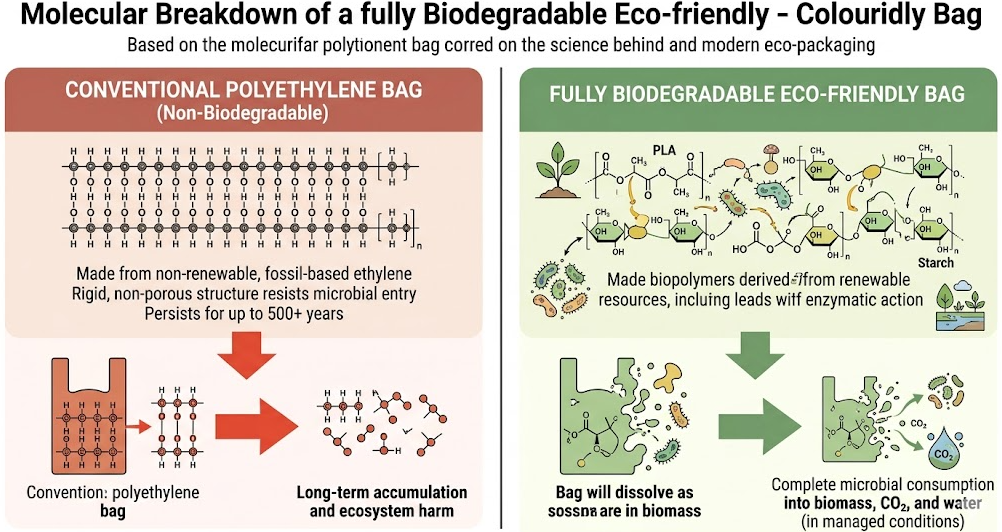
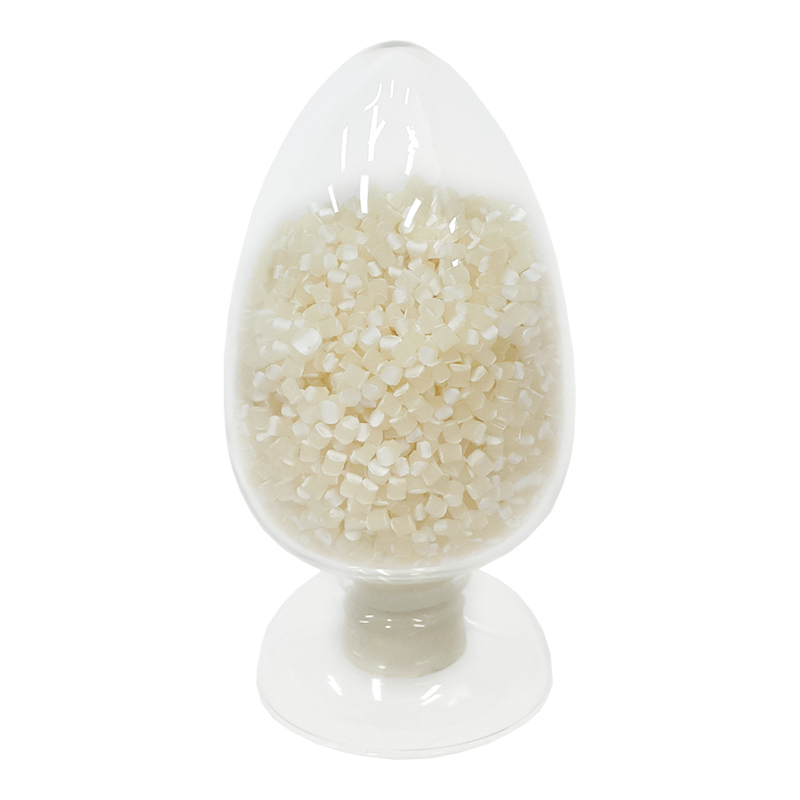
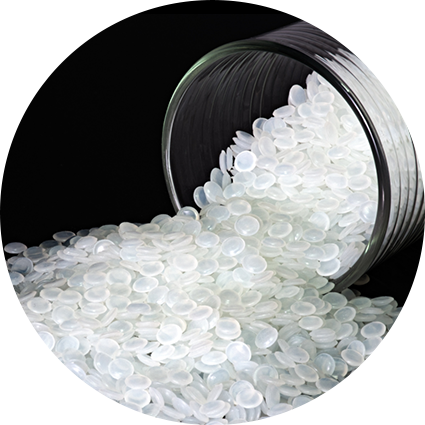
One of the most prominent materials used in the production of these bags is Polylactic Acid, commonly known as PLA. This substance is derived from fermented plant starch, most often from corn, cassava, sugarcane, or sugar beet pulp. The manufacturing process involves the fermentation of these agricultural products into lactic acid, which is then polymerized into PLA. Because the feedstock is renewable, the carbon footprint associated with producing PLA is significantly lower than that of oil based plastics. When placed in a managed composting environment, the heat and moisture allow microorganisms to break the ester bonds in the PLA chains, eventually returning the material to the soil as organic matter.
While PLA provides excellent clarity and rigidity, many packaging applications require a softer, more flexible feel. This is where Polybutylene Adipate Terephthalate, or PBAT, becomes essential. PBAT is a biodegradable random copolymer that offers high flexibility and toughness, making it the perfect additive for Fully Biodegradable Eco-Friendly Bags intended for heavy duty retail or grocery use. Unlike many other synthetic polymers, the chemical structure of PBAT is designed so that the polymer chains can be fully digested by microbes. When combined with cornstarch or PLA, it creates a hybrid material that possesses the strength of traditional plastic but remains entirely compostable.
Choosing the right material requires a clear understanding of how different options perform in real world conditions. The following table illustrates the core differences between traditional plastics and various sustainable alternatives to help buyers make informed decisions.
|
Material Feature |
Traditional Polyethylene |
Fully Biodegradable Eco-Friendly Bags |
Oxo-Degradable Plastic |
Recycled Paper |
|---|---|---|---|---|
|
Primary Source |
Non renewable petroleum |
Renewable plant starch or biopolymers |
Petroleum with chemical additives |
Recycled wood fibers |
|
End of Life Result |
Persists as microplastics |
Total conversion to CO2 and biomass |
Fragments into invisible microplastics |
Natural decomposition |
|
Carbon Footprint |
Very high due to extraction |
Low to neutral during growth cycle |
Moderate to high |
Moderate due to processing |
|
Marine Impact |
High risk of animal ingestion |
Significantly reduced risk |
High risk due to fragmentation |
Minimal risk |
|
Structural Integrity |
Exceptional |
High with proper material blending |
High until fragmentation begins |
Low when exposed to moisture |
The decision to adopt Fully Biodegradable Eco-Friendly Bags is no longer just an ethical choice; it is a strategic business move. Global legislation is rapidly moving toward the total ban of single use plastics, and companies that fail to adapt risk facing significant fines, supply chain disruptions, and a tarnished brand reputation.
Governments across Europe, Asia, and North America are implementing aggressive policies to curb plastic waste. From the European Union Single Use Plastics Directive to various state level bans in the United States, the legal window for using non biodegradable packaging is closing. By integrating Fully Biodegradable Eco-Friendly Bags into your operations today, you ensure long term compliance with evolving environmental laws. This proactive approach prevents the need for emergency transitions later and positions your company as a responsible industry leader that values legal and ecological integrity.
Modern consumers, particularly those in the millennial and Gen Z demographics, prioritize sustainability when making purchasing decisions. They are actively seeking brands that demonstrate a commitment to the planet. Utilizing Fully Biodegradable Eco-Friendly Bags serves as a tangible, visible signal of your company values. It tells your customers that you care about the lifecycle of your product even after it leaves your store. This transparency builds deep seated trust and loyalty, which often translates into higher customer retention rates and a stronger market position in competitive retail environments.
The manufacturing of traditional plastic bags is an energy intensive process that releases significant amounts of greenhouse gases. In contrast, the production of plant based biopolymers typically consumes less energy and can even act as a carbon sink during the growth of the feedstock plants. By switching to Fully Biodegradable Eco-Friendly Bags, your corporation can report lower Scope 3 emissions in its annual sustainability reports. This is increasingly important for companies seeking investment from ESG focused funds or looking to partner with other high level sustainable organizations.
Understanding the journey of these bags from production to disposal is critical for both manufacturers and consumers. A truly Fully Biodegradable Eco-Friendly Bags solution follows a path that minimizes waste at every stage.
The lifecycle begins with the cultivation of crops like corn or potatoes. These plants absorb carbon dioxide from the atmosphere as they grow, offsetting a portion of the emissions produced during the manufacturing phase. Once harvested, the starches are extracted and converted into bioplastic resins. Modern production facilities for these bags are often optimized to reduce water usage and eliminate the need for harmful chemical softeners or dyes, further enhancing the eco friendly profile of the final product.
During their use, Fully Biodegradable Eco-Friendly Bags offer performance that rivals traditional options. They provide adequate tensile strength, moisture resistance, and shelf stability. As long as they are stored in a cool, dry environment, they will not begin to degrade prematurely. This ensures that the user experience remains positive and that the bags can be reused multiple times before they reach the end of their functional life.
The final and most important stage is the disposal. When these bags are placed in an industrial composting facility, they are exposed to high temperatures and controlled moisture levels. Within weeks, the material begins to fragment. Microorganisms consume the polymers, breaking them down into carbon dioxide, water, and organic compost. This compost can then be used to enrich soil for agriculture, effectively closing the loop and providing the nutrients needed for the next generation of bioplastic crops to grow.
The rise in demand for sustainable products has unfortunately led to a rise in greenwashing, where products are falsely labeled as eco friendly. For a professional buyer, it is essential to look for specific certifications that guarantee the product is truly a Fully Biodegradable Eco-Friendly Bags solution.
There are several internationally recognized standards that define compostability and biodegradability. The most common is EN 13432, which is the European standard for packaging recoverable through composting and biodegradation. In the United States, the ASTM D6400 standard serves a similar purpose. These certifications ensure that the bag will degrade within one hundred and eighty days in an industrial composting setting and that the resulting compost will support plant growth. Always look for logos from reputable organizations such as BPI or TUV Austria, which often use labels like OK Compost Industrial or OK Compost Home to indicate where the product can be safely processed.
One of the most misleading labels in the industry is oxo-degradable or oxo-biodegradable. These products are actually conventional plastics that have been treated with chemical additives to make them fragment faster when exposed to sunlight and oxygen. However, these fragments do not truly disappear; they simply become microplastics that are even more difficult to clean up and can easily enter the food chain. A genuine Fully Biodegradable Eco-Friendly Bags product does not rely on these additives and will disappear entirely through biological action, whereas oxo-degradable bags are now being banned in many jurisdictions due to their hidden environmental dangers.
The versatility of modern bioplastics means that Fully Biodegradable Eco-Friendly Bags can be utilized across a wide array of sectors, each with its own unique set of requirements.
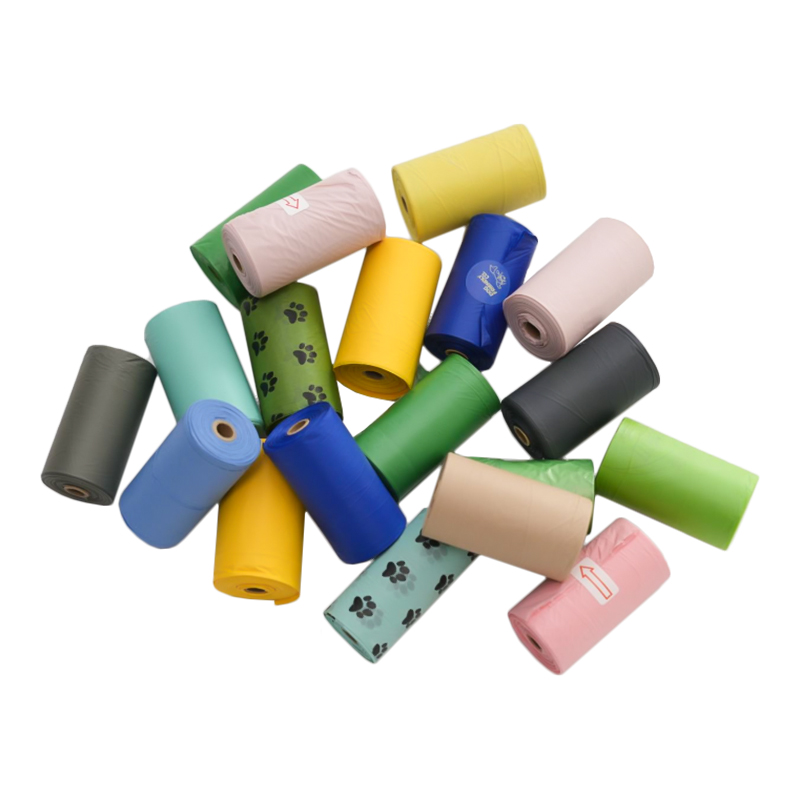
In the world of retail, bags need to be strong enough to carry heavy loads while being cost effective for the business. Customized biodegradable shopping bags can be printed with eco friendly, soy based inks to promote your brand while maintaining environmental standards. These bags are perfect for grocery stores, clothing boutiques, and specialty retailers who want to eliminate the use of traditional thin film plastics.
The food industry is one of the largest contributors to plastic waste. Fully Biodegradable Eco-Friendly Bags are ideal for food scraps and organic waste collection because the bag can be composted along with its contents. This simplifies the waste sorting process and ensures that organic material is diverted from landfills, where it would otherwise produce methane, a potent greenhouse gas. These bags are also used for take out containers and produce bags, providing a hygienic and sustainable way to transport food.
Farmers and gardeners use various types of plastic films for mulching and plant protection. Historically, these films had to be manually removed and disposed of at the end of the season, which was a labor intensive and wasteful process. By switching to Fully Biodegradable Eco-Friendly Bags and films designed for agricultural use, these materials can simply be tilled back into the soil at the end of the season. They provide the same benefits of weed suppression and moisture retention but naturally disappear without leaving any harmful residues in the ground.
While the benefits are clear, moving to Fully Biodegradable Eco-Friendly Bags does come with certain considerations that businesses must manage carefully to ensure a smooth transition.
Historically, bioplastic resins have been more expensive than petroleum based resins due to the smaller scale of production and the complexity of the sourcing. However, as the industry scales up and technology improves, the price gap is narrowing. Furthermore, businesses should consider the total value rather than just the unit price. The reduction in potential plastic tax penalties, the increase in customer loyalty, and the improved brand image often outweigh the marginal increase in material costs. Many companies find that customers are willing to pay a small premium or bring their own bags when they understand the environmental benefits of the switch.
Because Fully Biodegradable Eco-Friendly Bags are designed to break down, they are more sensitive to environmental factors than traditional plastic. To maintain their integrity, they must be stored in a cool, dark, and dry warehouse. Exposure to extreme heat or high humidity can weaken the material over time. Businesses must educate their logistics teams on these requirements to ensure that the stock remains in perfect condition for use. Fortunately, with proper inventory management and a high turnover rate, these factors rarely present a significant obstacle to successful implementation.
The field of sustainable materials is constantly evolving, with researchers looking for even more efficient ways to create Fully Biodegradable Eco-Friendly Bags.
One of the most exciting areas of research involves using seaweed and fungi as feedstock. Seaweed grows extremely fast without the need for fresh water, fertilizer, or land, making it a potentially even more sustainable source than corn or sugarcane. Similarly, mycelium, the root structure of mushrooms, is being used to create robust packaging materials that are entirely home compostable. As these technologies mature, we can expect to see an even wider variety of Fully Biodegradable Eco-Friendly Bags that are even more resilient and accessible.
While many current biodegradable bags require the high heat of an industrial facility to break down quickly, there is a push to develop materials that are certified for home composting. This would allow consumers to dispose of their bags in their own backyard compost bins along with their kitchen scraps. Innovations in polymer blending are making this a reality, further empowering individuals to take control of their own environmental impact and reducing the burden on municipal waste systems.
If you are ready to make the transition, follow this strategic checklist to ensure that your choice of Fully Biodegradable Eco-Friendly Bags meets your operational and environmental goals.
Audit Current Usage: Analyze the volume and types of plastic bags currently used in your business to identify which areas are most suitable for an immediate switch.
Verify Certifications: Ensure any supplier you work with provides proof of EN 13432 or ASTM D6400 certification for their products to avoid greenwashing.
Assess Material Performance: Conduct stress tests to ensure the biodegradable options can handle the weight and environmental conditions specific to your products.
Educate Your Customers: Use the surface of the bag or in store signage to explain the benefits of the new packaging and how customers should properly dispose of it.
Optimize Disposal Streams: Work with local waste management providers to ensure that compostable materials are being diverted to the correct facilities where possible.
The shift toward Fully Biodegradable Eco-Friendly Bags represents a critical milestone in the journey toward global sustainability. By moving away from persistent, non degradable plastics, we are choosing to protect our oceans, our soil, and our future generations. For businesses, this transition is an opportunity to lead by example, proving that profitability and environmental responsibility can go hand in hand.
While the challenges of material science and cost are real, the long term benefits of reduced pollution, increased consumer trust, and regulatory compliance are far more significant. As technology continues to advance and the global community moves closer to a truly circular economy, the use of Fully Biodegradable Eco-Friendly Bags will become the standard, not the exception. Make the choice today to be part of the solution and help build a world where our packaging leaves behind nothing but growth.




+86 18101032584
No. 60-1, Jichuan East Road, HailingIndustrial Park, Hailing District, Taizhou City.


Copyright© Taizhou Huangyan Zeyu New Material Technology Co., Ltd. All Rights Reserved.
 Custom Fully Degradable Raw Material Manufacturers


 English
 Français
 Español
 Deutsch
 italiano