
One of the greatest challenges in the sustainability sector is the prevalence of "greenwashing." To understand the value of Fully Biodegradable Eco-Friendly Bags, we must first clarify what these terms actually mean in a scientific context.
Many consumers use these terms interchangeably, yet they represent vastly different chemical processes and environmental outcomes.
Biodegradable: This is a broad term suggesting that a material can be broken down by microorganisms such as bacteria or fungi. However, without a specific timeframe or environmental condition defined, almost everything is technically biodegradable over thousands of years.
Compostable: This is a subset of biodegradable materials. For a bag to be labeled compostable, it must break down into carbon dioxide, water, and biomass at the same rate as cellulose under specific composting conditions, leaving no toxic residue.
Fully Biodegradable: This refers to materials that undergo complete microbial decomposition without leaving synthetic fragments or microplastics behind.
Oxo-degradable: Often mistaken for eco-friendly, these are conventional plastics with additives that make them fragment into smaller pieces. They do not truly "disappear" but rather create microplastic pollution faster.
A product earns the "fully" designation when it undergoes a total transformation back into nature. This involves two primary stages:
Disintegration: The physical breakdown into invisible pieces.
Mineralization: The biological conversion into CO2 and organic matter.
The efficacy of Fully Biodegradable Eco-Friendly Bags depends entirely on their chemical composition. Unlike traditional polyethylene (PE), these materials are designed to be "recognized" by nature.
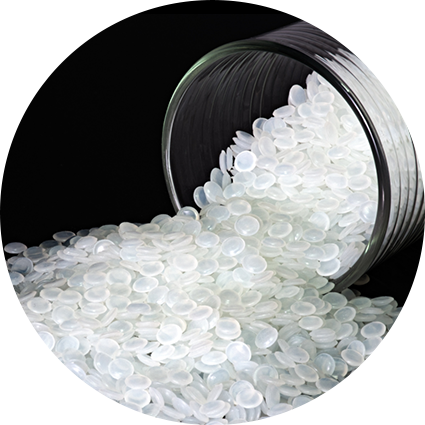
PLA is perhaps the most well-known bioplastic. Derived from fermented plant starch, usually corn or sugarcane, it is a thermoplastic polyester.
Advantages: High transparency, good printability, and derived from renewable resources.
Limitations: It requires industrial composting facilities to break down efficiently; it will not degrade quickly in a cold backyard compost pile or the ocean.
PBAT is a random copolymer that is exceptionally flexible and tough. While it is often derived from petroleum, its molecular structure is designed to be fully biodegradable by soil microorganisms.
Role: It is frequently blended with PLA to provide the flexibility and "stretch" that PLA lacks, making it ideal for shopping bags and trash liners.
Thermoplastic starch (TPS) is created by processing raw starch with plasticizers. It is often mixed with other biodegradable polymers to improve water resistance and mechanical strength.
| Property | Conventional PE Bag | PLA-Based Bag | PBAT/Starch Blend |
| Raw Material | Crude Oil / Natural Gas | Corn / Sugarcane | Petroleum / Plant Starch |
| Renewability | Non-renewable | Highly Renewable | Partially Renewable |
| Biodegradability | Non-biodegradable | Industrially Compostable | Home/Soil Biodegradable |
| Decomposition Time | 400 - 1000 years | 3 - 6 months (Industrial) | 90 - 180 days |
| Carbon Footprint | High | Low to Medium | Low |
The production of Fully Biodegradable Eco-Friendly Bags follows a path similar to traditional plastics but requires tighter control over temperature and moisture.
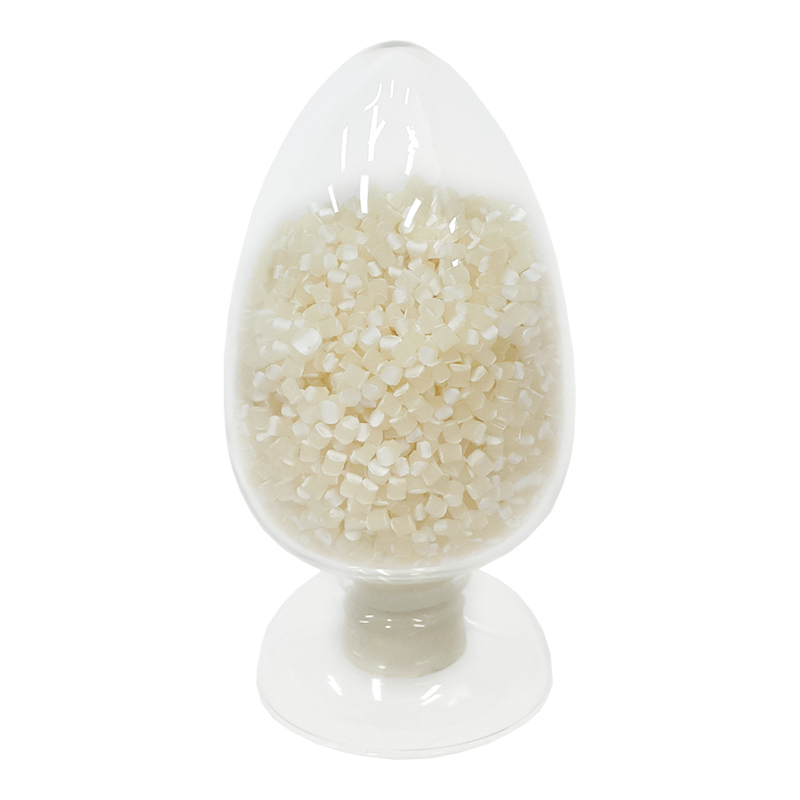
The process begins with the extraction of raw materials. For bio-based bags, starch is converted into glucose, fermented into lactic acid, and then polymerized into PLA pellets. These pellets are the "building blocks" of the final product.
Since no single biopolymer possesses all the properties of plastic, manufacturers use compounding. This involves mixing PLA for strength, PBAT for flexibility, and specialized additives to ensure UV stability or moisture resistance.
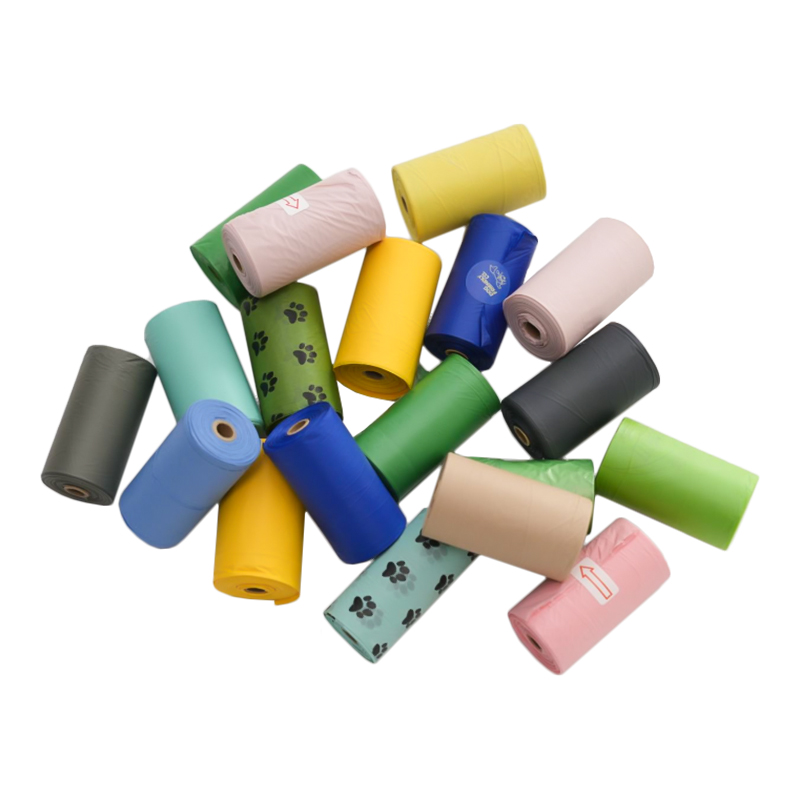
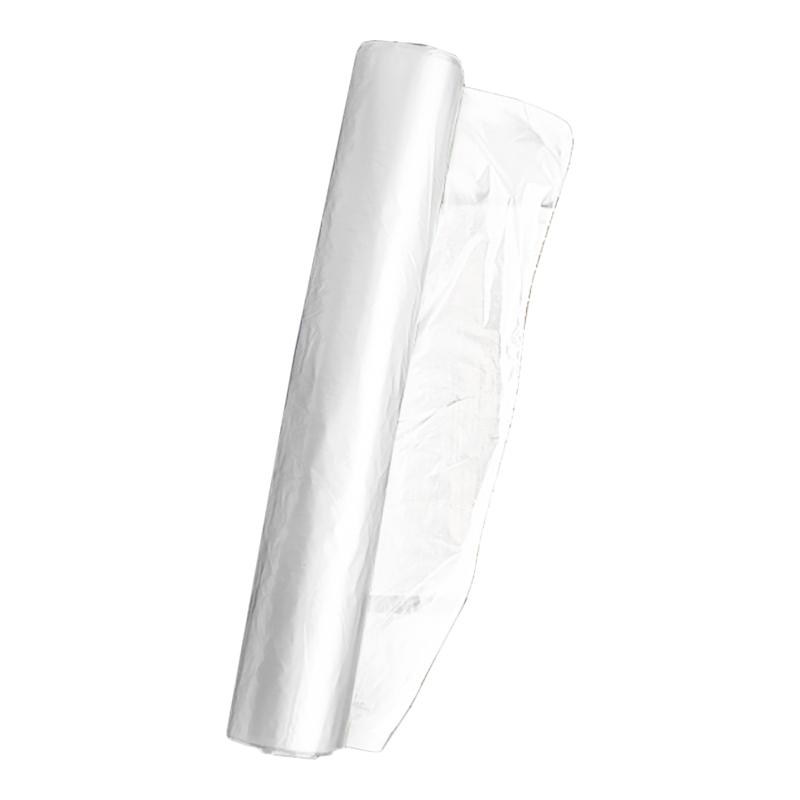
The compounded pellets are fed into an extruder, melted, and blown into a large bubble of thin film. This film is then cooled, flattened, and sent to conversion machines where it is cut, sealed, and printed with soy-based or water-based inks to maintain the product's eco-integrity.
With the rise of counterfeit "eco" products, global standards are the only way to verify the claims of Fully Biodegradable Eco-Friendly Bags.
When sourcing or purchasing these bags, look for the following marks:
EN 13432 (Europe): The gold standard for compostable packaging.
ASTM D6400 (USA): Specifies the requirements for labeling plastics as "compostable" in municipal and industrial facilities.
OK Compost Home: Certified by TÜV Austria, ensuring the bag will degrade in a home compost bin at lower temperatures.
Seedling Logo: A European mark indicating the product is industrially compostable.
While not a scientific proof, many high-quality biodegradable bags have a distinct "soft" feel compared to the "crinkly" sound of traditional plastic. They often have a slight scent of corn or starch. However, consumers should always rely on printed certification codes rather than physical intuition.
The true value of Fully Biodegradable Eco-Friendly Bags is found when analyzing their entire life cycle, from "cradle to grave."
Traditional plastic production is energy-intensive and relies on fossil fuel extraction. In contrast, the plants used to create bioplastics (like corn) absorb CO2 during their growth phase. Studies suggest that producing PLA can result in up to 75% fewer greenhouse gas emissions compared to traditional PET or PS plastics.
When managed correctly, these bags turn into nutrient-rich compost. This returns carbon to the soil, improving its structure and water-retention capabilities. This is a "closed-loop" system that mirrors natural biological cycles.
It is a common misconception that biodegradable bags will simply dissolve if thrown into the ocean. While some advanced materials (like PHA) are marine-degradable, most standard PLA/PBAT bags still require specific microbial densities and temperatures to break down. Therefore, "biodegradable" is not a license to litter. Proper disposal infrastructure is essential.
Despite their benefits, the adoption of Fully Biodegradable Eco-Friendly Bags faces several hurdles that the industry is currently working to overcome.
Currently, biodegradable resins can be two to four times more expensive than conventional polyethylene. This price gap is driven by smaller production scales and the cost of raw agricultural materials. As demand grows and technology scales, these costs are expected to normalize.
A compostable bag is only truly effective if it reaches a composting facility. Many cities still lack separate organic waste collection, meaning many eco-friendly bags end up in landfills where the anaerobic conditions prevent them from degrading properly.
For heavy-duty applications, such as industrial liners or long-term storage, bioplastics have historically struggled with moisture barriers and shelf-life. However, new generations of coatings and multi-layer structures are rapidly closing this performance gap.
The shift toward Fully Biodegradable Eco-Friendly Bags is being accelerated by aggressive government policies worldwide.
The EU is leading the charge with strict regulations on single-use plastics. Many member states have banned lightweight plastic bags entirely, mandating that any remaining options must be certified compostable and contain a minimum percentage of bio-based content.
China and India, two of the world's largest consumers of plastic, have implemented sweeping "限塑令" (Plastic Limit Orders). This has spurred a massive domestic manufacturing boom for PBAT and PLA, particularly in China's industrial hubs.
Surveys consistently show that Millennial and Gen Z consumers are willing to pay a premium for sustainable packaging. Brands that adopt biodegradable solutions often see a measurable increase in brand loyalty and "green" equity.
For retailers and brands looking to transition to Fully Biodegradable Eco-Friendly Bags, the process should be strategic and transparent.
Grocery Stores: Require high-strength PBAT/Starch blends for heavy loads.
Fashion Retail: Can utilize high-clarity PLA bags for a premium look.
Food Service: Must focus on EN 13432 certified bags that can handle food contamination.
Don't just switch the bags; tell the story. Use the surface of the bag to educate consumers on how to dispose of it. Clear instructions like "Compost me in your organic bin" are vital for ensuring the product reaches its intended end-of-life.
Q: Do fully biodegradable bags have an expiration date? A: Yes. Because they are designed to break down, they typically have a shelf life of 12 to 18 months. They should be stored in a cool, dry place away from direct sunlight to maintain their integrity.
Q: Can I recycle biodegradable bags with regular plastic? A: No. This is a critical mistake. Biodegradable bags act as a contaminant in the traditional PE/PET recycling stream. They should be placed in organic waste or compost bins.
Q: Are these bags safe for food contact? A: Most certified biodegradable bags are FDA/EU approved for food contact, making them excellent for produce bags and food delivery.
Q: Why do some biodegradable bags feel sticky? A: This is often due to a high starch content or the presence of certain plasticizers like vegetable oils. It does not affect the performance but is a hallmark of high bio-content.
End of Document




+86 18101032584
No. 60-1, Jichuan East Road, HailingIndustrial Park, Hailing District, Taizhou City.


Copyright© Taizhou Huangyan Zeyu New Material Technology Co., Ltd. All Rights Reserved.
 Custom Fully Degradable Raw Material Manufacturers


 English
 Français
 Español
 Deutsch
 italiano