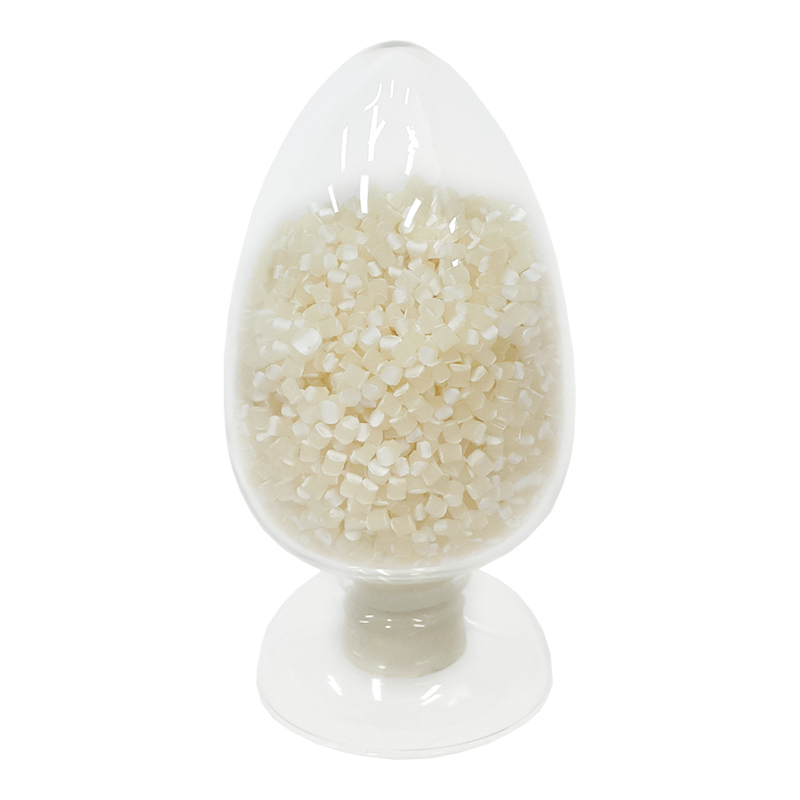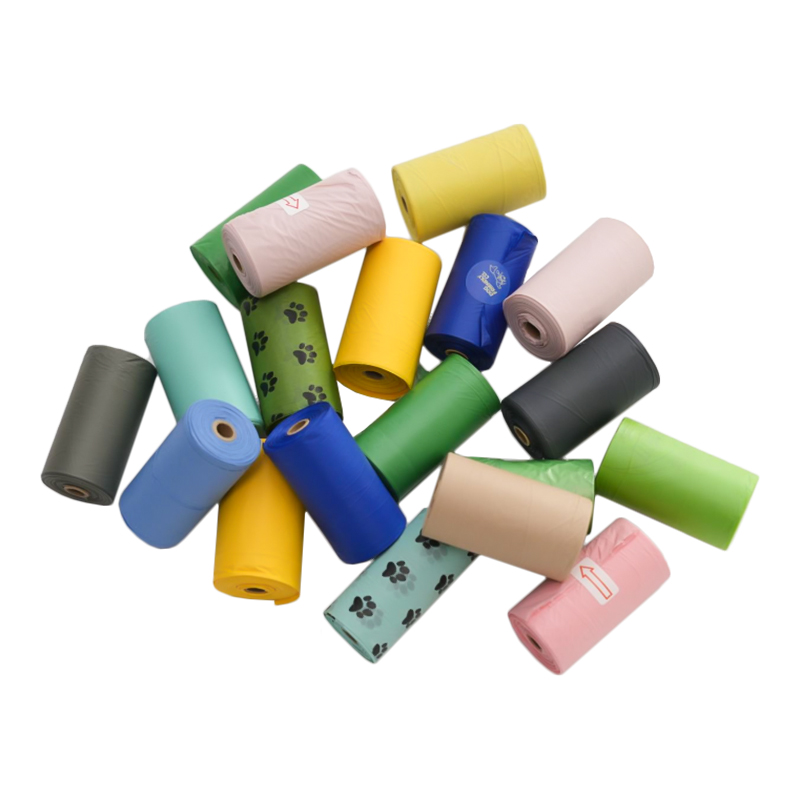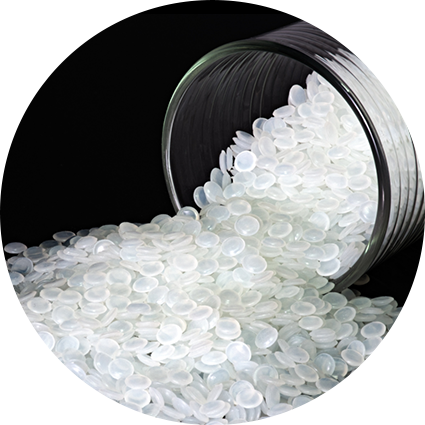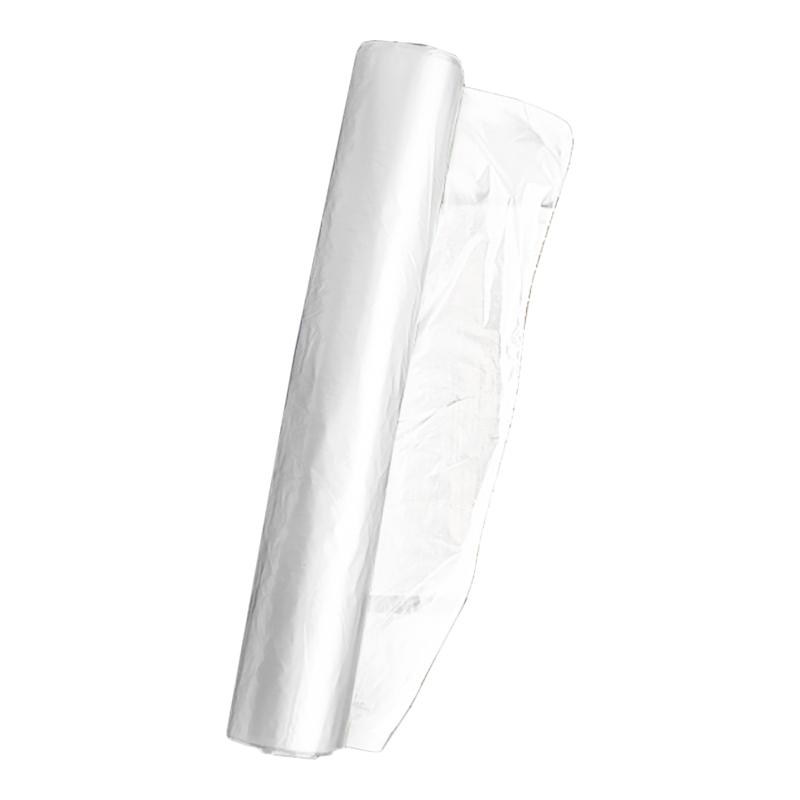

The development of Fully Biodegradable Food-Grade Contact Material represents a significant step in materials science, particularly at the intersection of consumer safety and environmental responsibility. This environmentally friendly resin is engineered specifically for use in food packaging and various contact applications. Its technical mandate requires a delicate balance: the material must possess sufficient stability and inertness to ensure food safety during its functional life, yet it must completely and predictably degrade back into benign natural elements upon disposal. This feature explores the core chemical modifications, the rigorous standards defining its safety, and the precise microbiological mechanisms that govern its complete environmental lifecycle.
The structural basis of this advanced material is a fully biodegradable polyester. This polymer backbone is chosen for its inherent ability to be broken down by biological agents, unlike conventional petroleum-based plastics which resist natural decay. However, simply being biodegradable is insufficient for a substance intended to hold and protect consumable items; it must also adhere to the highest criteria for purity and safety.
The designation of Fully Biodegradable Food-Grade Contact Material signifies its compliance with stringent international food safety standards. This compliance confirms that the material is non-toxic and chemically inert when in contact with food, whether that food is acidic, oily, or neutral. Crucially, this means the material does not leach harmful substances, plasticizers, or monomers into the food product, even under varying temperatures and storage durations. The stability required in the chemical structure is engineered to prevent migration—the movement of chemical components from the packaging material into the food. This engineered stability is paramount, ensuring that the material preserves the safety and sensory quality of the food product from the point of packaging until consumption.
The greatest challenge in designing Fully Biodegradable Food-Grade Contact Material lies in modifying the base polyester to ensure two mutually exclusive conditions are met: structural integrity during use and rapid decomposition after disposal. The modification process involves specific chemical or physical alterations to the polymer chains to fine-tune these properties.
During its functional life, the material is engineered to exhibit properties like moisture resistance, adequate tensile strength, and heat stability—all necessary for forming functional products such as packaging films, rigid containers, or beverage bottles. Without adequate modification, a raw biodegradable polymer might prematurely weaken or degrade under typical use conditions (e.g., exposure to humidity or mild heat).
The technical modification ensures that the material maintains its physical stability and barrier properties until its disposal. This stability is designed to collapse only when specific environmental triggers are met, namely the presence of moisture, warmth, and, most importantly, the appropriate microbial activity found in natural environments like composting facilities or soil. This controlled instability is the hallmark of effective biodegradable engineering, allowing for safe, extended use followed by a predictable and complete environmental breakdown.
Once the Fully Biodegradable Food-Grade Contact Material is discarded and exposed to a natural environment—such as compost or soil—the process of biodegradation begins. This mechanism is entirely reliant on the digestive action of microorganisms.
The polymer's modified chemical structure makes it susceptible to enzymatic attack by bacteria and fungi. These microorganisms secrete enzymes that cleave the long polymer chains of the polyester into smaller, digestible fragments. These fragments, now water-soluble oligomers, are then absorbed by the microorganisms.
The organisms metabolize these fragments, effectively using the carbon within the polymer as a food source. The final, non-toxic products of this microbial digestion are water (H₂O) and carbon dioxide (CO₂). This process ensures that the material is fully assimilated back into the natural carbon cycle, leaving behind no toxic residues or persistent solid waste.
This complete conversion differentiates Fully Biodegradable Food-Grade Contact Material from simple degradable or fragmenting materials, which often only break down into smaller, invisible microplastic particles. The Fully Biodegradable Food-Grade Contact Material guarantees molecular level breakdown, confirming its role in reducing plastic waste pollution.
The technical versatility of Fully Biodegradable Food-Grade Contact Material is demonstrated by its wide application across several demanding food and beverage product formats, each requiring different mechanical properties:
Food Containers (Rigid Structures): Requires high stiffness, impact resistance, and barrier properties to protect contents like chilled or dried foods. The material must be modified to exhibit high molecular density and structural rigidity.
Packaging Films (Flexible Structures): Demands high flexibility, transparency, and specific gas barrier properties to extend the shelf-life of produce or baked goods. Here, the polyester base is processed to create thinner, highly extensible films without compromising tensile strength.
Disposable Tableware (Heat Resistance): Requires temporary heat resistance to handle hot beverages or food, along with sufficient mechanical strength to function as cutlery or plates.
Beverage Bottles (Pressure and Barrier): Needs to withstand internal pressure (especially for carbonated drinks) and must possess excellent gas barrier properties to prevent the loss of CO₂ or ingress of oxygen.
The ability of the base biodegradable polyester to be successfully modified into these diverse formats—from rigid, high-barrier containers to thin, flexible films—highlights the success of the material engineering in meeting specific product requirements while maintaining its fundamental food-grade safety and complete biodegradability. This breadth of application confirms its utility as a foundational material for high-volume manufacturing solutions committed to safety and ecological responsibility.




+86 18101032584
No. 60-1, Jichuan East Road, HailingIndustrial Park, Hailing District, Taizhou City.


Copyright© Taizhou Huangyan Zeyu New Material Technology Co., Ltd. All Rights Reserved.
 Custom Fully Degradable Raw Material Manufacturers


 English
 Français
 Español
 Deutsch
 italiano