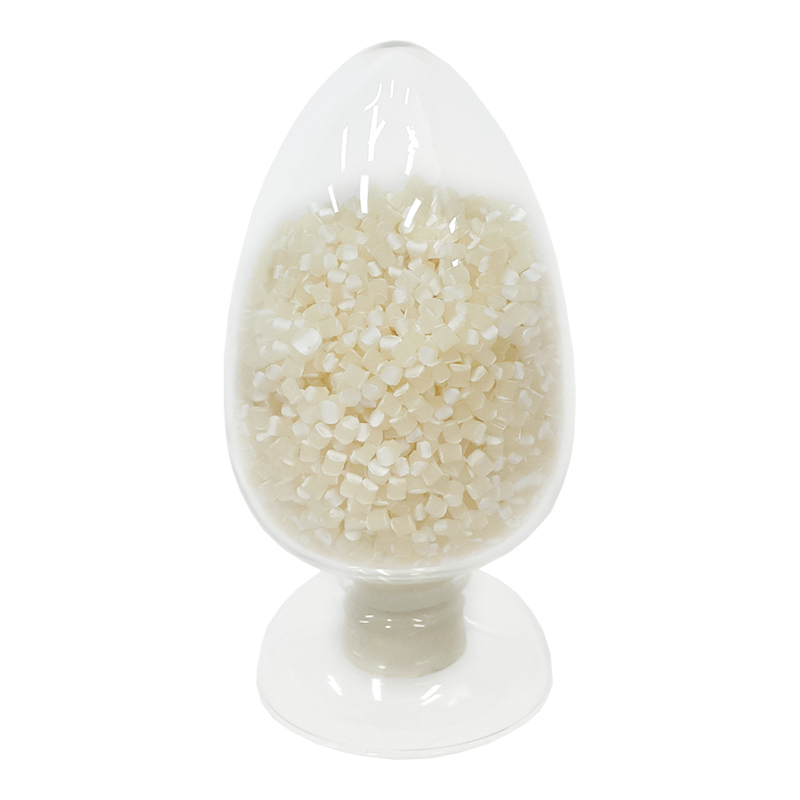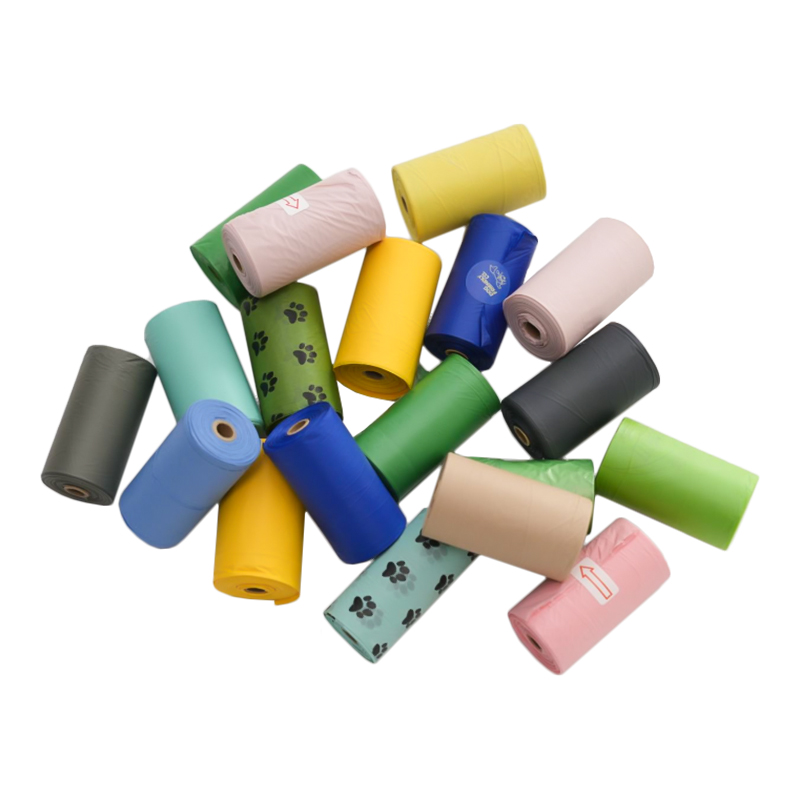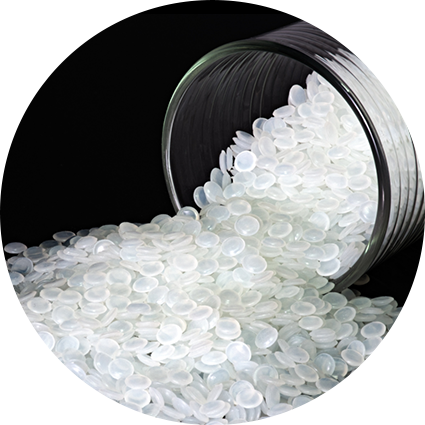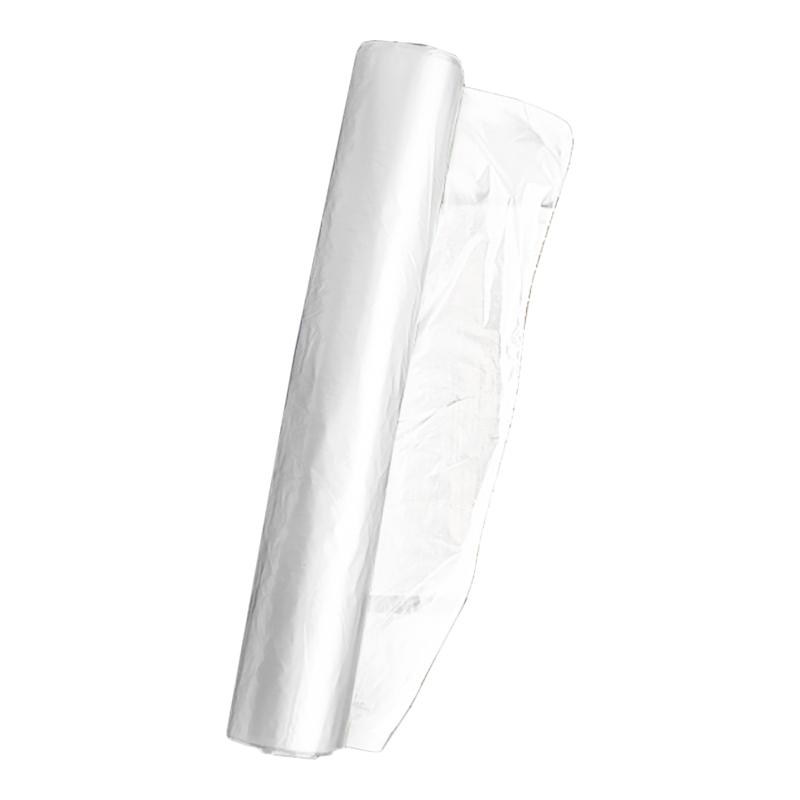

As industries worldwide face increasing pressure to adopt environmentally responsible practices, the demand for sustainable materials has never been higher. Among the innovations driving this shift, Non-Deformable Fully Biodegradable Material has emerged as a breakthrough solution. Combining environmental friendliness with mechanical strength and durability, this material is reshaping how manufacturers, designers, and consumers approach product development and packaging.
Non-Deformable Fully Biodegradable Material is an advanced material designed to degrade naturally in the environment without leaving harmful residues, while maintaining structural integrity during use. Unlike conventional biodegradable alternatives that often compromise on strength or rigidity, this material offers a non-deformable form, making it suitable for applications where durability is critical.
It is typically made from plant-based polymers, starch blends, or other renewable resources, reinforced to maintain shape and resist bending, warping, or collapsing under pressure. This combination of biodegradability and robustness makes it a versatile solution for industries seeking both environmental and functional performance.
One of the standout features of Non-Deformable Fully Biodegradable Material is its ability to maintain form under stress. Traditional biodegradable materials, such as certain plastics or paper-based products, can deform or lose functionality when exposed to weight, moisture, or mechanical stress.
In contrast, the non-deformable property ensures that the material retains its shape, providing reliable performance in packaging, disposable utensils, food containers, and other applications. Manufacturers no longer need to compromise durability for sustainability, making this material a practical alternative to conventional plastics.
The environmental benefits of Non-Deformable Fully Biodegradable Material are significant. Unlike traditional plastics that can take hundreds of years to decompose, this material breaks down naturally in composting or natural soil environments within a short period. It minimizes the accumulation of microplastics and reduces the ecological footprint of disposable products.
Moreover, the material is fully biodegradable, meaning it leaves no toxic residues behind. This feature is crucial for industries seeking to meet stringent environmental regulations and corporate sustainability targets. By replacing conventional plastic with this eco-friendly alternative, companies can actively contribute to reducing pollution and promoting circular economy principles.
The versatility of Non-Deformable Fully Biodegradable Material has made it an attractive option across a wide range of industries, including:
Food and Beverage Packaging: Plates, bowls, cups, and takeaway containers that are sturdy yet fully compostable.
Consumer Goods: Protective packaging, trays, and inserts for electronics or household items.
Medical and Pharmaceutical: Single-use items such as trays or instrument holders that require rigidity and hygiene.
Agriculture and Horticulture: Biodegradable pots and trays that support plant growth while decomposing naturally.
Its combination of structural integrity and eco-friendliness opens doors to applications that previously relied on non-degradable plastics.
As production technologies advance, Non-Deformable Fully Biodegradable Material is becoming increasingly cost-competitive with conventional plastics. Large-scale manufacturing processes allow for high-volume production without sacrificing quality or durability.
Additionally, its performance characteristics—resistance to deformation and functional strength—reduce the need for over-engineering or multi-layered packaging. This efficiency translates into lower production costs and reduced material waste, making it economically viable for businesses committed to sustainability.
Consumer demand for environmentally responsible products is growing rapidly. Using Non-Deformable Fully Biodegradable Material allows brands to position themselves as leaders in sustainability and innovation. Packaging or products made from this material appeal to eco-conscious consumers who prioritize reducing their environmental footprint without sacrificing functionality.
Companies leveraging this material can also benefit from certifications and eco-labels, reinforcing trust and credibility in the market.
The development of Non-Deformable Fully Biodegradable Material represents a significant advancement in material science. Researchers continue to enhance its properties, improving heat resistance, water repellency, and mechanical strength while maintaining biodegradability.
Non-Deformable Fully Biodegradable Material is transforming the way industries approach sustainability. By offering a strong, durable, and fully compostable alternative to conventional plastics, it addresses the pressing environmental challenges of today while maintaining practical functionality.
From food packaging and consumer goods to medical applications and horticulture, this material offers a reliable, eco-friendly solution that aligns with modern sustainability goals. As industries continue to innovate and consumers increasingly demand environmentally responsible products, the Non-Deformable Fully Biodegradable Material is poised to become a cornerstone of green manufacturing and sustainable product design.




+86 18101032584
No. 60-1, Jichuan East Road, HailingIndustrial Park, Hailing District, Taizhou City.


Copyright© Taizhou Huangyan Zeyu New Material Technology Co., Ltd. All Rights Reserved.
 Custom Fully Degradable Raw Material Manufacturers


 English
 Français
 Español
 Deutsch
 italiano