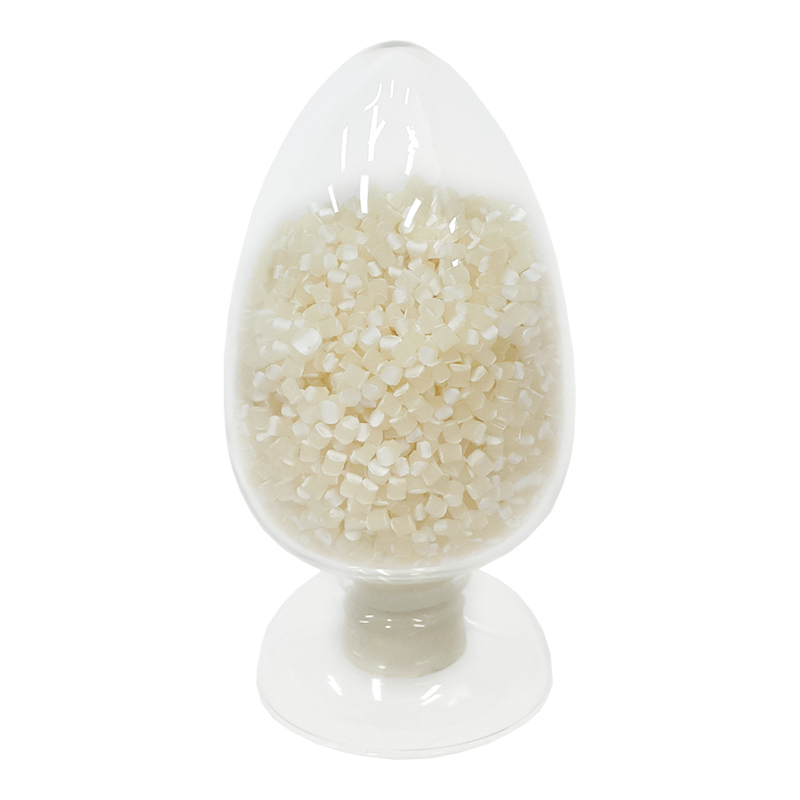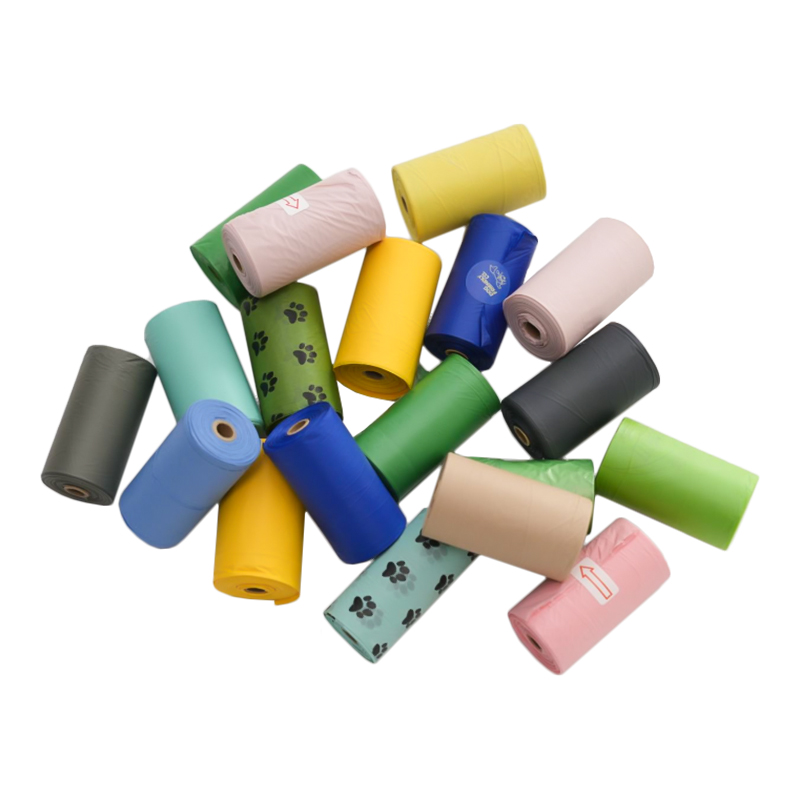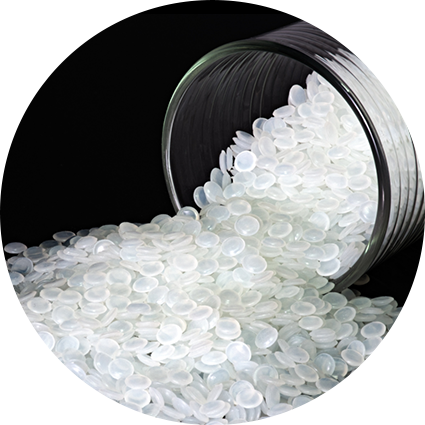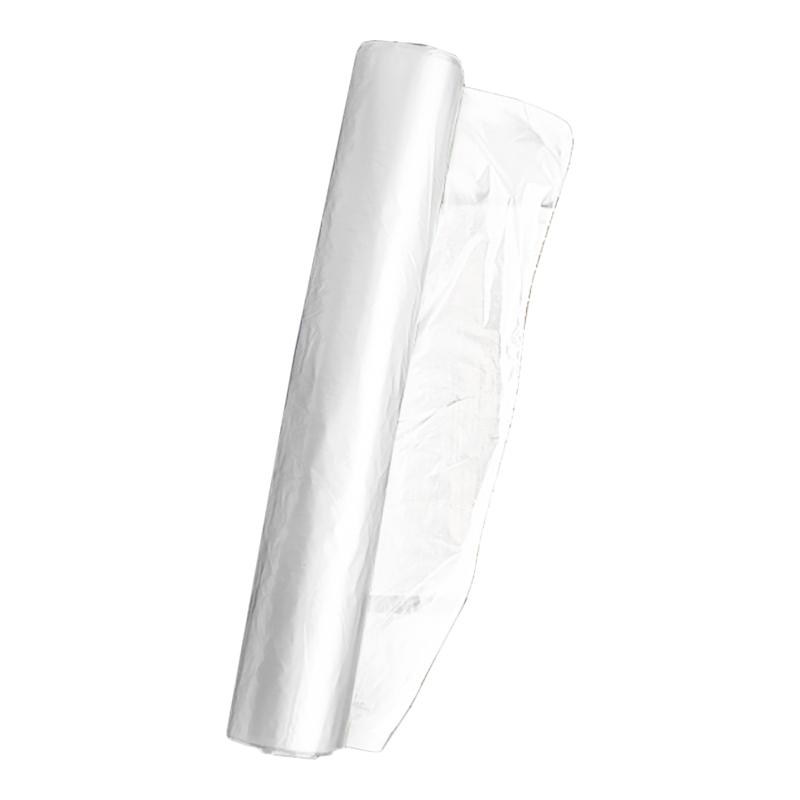

PP+ST Polypropylene Resin is a commercially important thermoplastic compound that combines the base properties of polypropylene (PP) with the impact modification delivered by styrene based elastomers or thermoplastic rubber components, designated by the ST modifier code used in compounding and materials specifications. Polypropylene in its unmodified form is a rigid, lightweight, chemically resistant polymer with excellent processability, but it has a well known weakness: brittleness at low temperatures and susceptibility to impact failure that limits its usefulness in applications requiring toughness across a wide temperature range. PP+ST formulations address this limitation by incorporating elastomeric dispersed phases that absorb impact energy, dramatically improving the material's notched impact strength and low temperature ductility while retaining most of the stiffness, chemical resistance, and processing advantages of the polypropylene matrix.
The direct answer for anyone evaluating PP+ST Polypropylene Resin is this: it is a toughened polypropylene compound most commonly used in automotive components, consumer durable housings, appliance parts, and packaging applications where the standard polypropylene homopolymer or copolymer cannot provide adequate impact resistance, particularly in cold conditions. The specific mechanical properties of any PP+ST grade depend on the proportion and type of the ST elastomeric modifier, and selecting the correct grade requires matching these properties to the specific loading, temperature, and processing requirements of the intended application. This article covers the composition, key properties, processing characteristics, and application sectors for PP+ST Polypropylene Resin in full technical depth.
Polypropylene is a semicrystalline polyolefin polymer produced by the catalytic polymerization of propylene monomer. In its isotactic form (the commercially dominant structure), the methyl groups along the polymer chain are all arranged on the same side, enabling close chain packing and the formation of crystalline regions that give the polymer its stiffness and thermal resistance. The crystalline structure also contributes to brittleness, particularly at temperatures below 0 degrees Celsius, because the crystalline regions cannot deform plastically before crack propagation occurs.
The ST modifier in PP+ST refers to the incorporation of styrene based thermoplastic elastomers or rubber compounds, most commonly styrene ethylene butylene styrene (SEBS) block copolymers, styrene butadiene styrene (SBS), or styrene ethylene propylene (SEP) systems, as the impact modifying dispersed phase within the polypropylene matrix. These elastomers are selected for their compatibility with the polypropylene matrix, their ability to form a finely dispersed rubbery phase, and their effectiveness in arresting crack propagation under impact loading.
When a PP+ST compound is subjected to an impact load, the dispersed elastomer particles act as stress concentrators that initiate multiple localized shear yielding events in the surrounding polypropylene matrix before any single crack can propagate to failure. Each of these yielding events absorbs a portion of the impact energy, and the cumulative energy absorption from thousands of simultaneous yielding events is vastly greater than the energy that unmodified polypropylene can absorb through the single crack propagation path that leads to brittle failure. The effectiveness of this mechanism depends critically on the particle size, volume fraction, and interparticle distance of the elastomer dispersed phase: optimal impact modification is achieved when the average elastomer particle diameter is in the range of 0.1 to 1.0 micrometers and when the interparticle distance is below a critical threshold of approximately 0.3 micrometers, conditions that allow the shear yielding zones around adjacent particles to overlap and create a continuous plastic deformation zone throughout the impact stressed region.
The proportion of ST elastomeric modifier in the PP+ST compound directly determines the balance between impact toughness and stiffness in the final material. Increasing the modifier content improves impact performance but reduces stiffness (flexural modulus) and heat deflection temperature:
The mechanical and thermal properties of PP+ST Polypropylene Resin grades vary across a wide range depending on the modifier type, modifier content, and any additional fillers or reinforcements incorporated in the compound. The following table presents representative properties for three commercial modifier loading levels to illustrate the property trade offs involved in grade selection.
| Property | Low Loading PP+ST (5 to 10%) | Medium Loading PP+ST (10 to 20%) | High Loading PP+ST (20 to 35%) |
|---|---|---|---|
| Melt Flow Index (g/10 min) | 8 to 25 | 5 to 20 | 2 to 15 |
| Tensile strength (MPa) | 22 to 30 | 16 to 24 | 12 to 18 |
| Flexural modulus (MPa) | 1,200 to 1,600 | 900 to 1,300 | 600 to 900 |
| Notched Izod impact (kJ/m2 at 23 degrees C) | 5 to 15 | 20 to 50 | 50 to 80 and above |
| Notched Izod impact (kJ/m2 at minus 20 degrees C) | 2 to 8 | 5 to 15 | 15 to 40 |
| Heat deflection temperature at 0.45 MPa (degrees C) | 90 to 110 | 75 to 95 | 60 to 80 |
| Density (g/cm3) | 0.90 to 0.92 | 0.89 to 0.91 | 0.87 to 0.90 |
PP+ST Polypropylene Resin is processed primarily by injection molding, with extrusion and blow molding used for specific product forms. The processing conditions must account for both the polypropylene matrix behavior and the presence of the elastomeric dispersed phase, which influences melt viscosity, cooling behavior, and the potential for phase morphology changes during processing that could affect final part properties.
Typical injection molding conditions for PP+ST Polypropylene Resin grades are:
PP+ST Polypropylene Resin exhibits mold shrinkage in the range of 1.2 to 2.2 percent, which is somewhat lower than unmodified polypropylene homopolymer (1.5 to 2.5 percent) because the elastomeric modifier reduces the crystallinity of the polypropylene matrix and therefore the volumetric contraction associated with crystallization during cooling. The lower and more predictable shrinkage of PP+ST grades compared to standard polypropylene makes them more suitable for dimensionally precise parts and reduces the iteration required in tool design. Post mold shrinkage is minimal for most PP+ST grades when parts are cooled uniformly in the mold, but warpage can occur in thin, asymmetric parts if cooling is uneven.
The improved impact toughness, low density, chemical resistance, and cost efficiency of PP+ST Polypropylene Resin have established it as a preferred material in several high volume industrial and consumer product sectors:
PP+ST Polypropylene Resin represents a technically well developed and commercially mature class of polymer compound whose versatility and performance across a wide modifier loading range make it one of the most widely used toughened thermoplastics in global manufacturing. Selecting the appropriate grade for any specific application requires a systematic evaluation of the required impact performance (especially at the lowest service temperature), the stiffness and load bearing requirements of the application, the processing constraints of the manufacturing process, and any regulatory or certification requirements for the end use. Working with the technical data sheets and application engineering support available from compounders producing PP+ST grades ensures that the correct balance of properties is achieved at the most cost effective formulation.




+86 18101032584
No. 60-1, Jichuan East Road, HailingIndustrial Park, Hailing District, Taizhou City.


Copyright© Taizhou Huangyan Zeyu New Material Technology Co., Ltd. All Rights Reserved.
 Custom Fully Degradable Raw Material Manufacturers


 English
 Français
 Español
 Deutsch
 italiano