
Plastic bag pollution is one of the most visible and persistent environmental problems of our time. Conventional plastic bags take between 400 and 1,000 years to break down, and even then they fragment into microplastics that enter soil, waterways, and food chains rather than disappearing entirely. Fully biodegradable eco-friendly bags offer a genuine alternative: they break down into water, carbon dioxide, and organic matter within months to a few years under the right conditions, leaving no toxic residue behind. But not all bags marketed as biodegradable or eco-friendly deliver on that promise equally, and understanding the difference between genuinely biodegradable materials and greenwashed alternatives is essential before making a purchase or procurement decision.
This guide covers what full biodegradability actually means in scientific and regulatory terms, which materials genuinely qualify, what certifications to look for, how different bag types compare in practice, and how to make purchasing decisions that align with real environmental goals rather than marketing language.
Biodegradability is a specific scientific concept that describes the ability of a material to be broken down by microorganisms such as bacteria and fungi into natural compounds including water, carbon dioxide, and biomass. The word fully is important: partial biodegradation that leaves behind synthetic residues or microplastic particles does not achieve the environmental goal. A fully biodegradable eco-friendly bag completes this breakdown process entirely, returning to nature without leaving harmful traces.
The timeframe and conditions required for biodegradation vary enormously between materials. Some bags marketed as biodegradable require industrial composting facilities operating at temperatures above 55 degrees Celsius to break down within the claimed timeframe. Others break down in home compost conditions or in soil at ambient temperatures. A bag that requires industrial composting to degrade is not the same as one that genuinely biodegrades in a landfill or in the natural environment, even though both might carry the word biodegradable on their packaging.
Three terms are frequently used interchangeably but carry distinct meanings that affect how bags should be disposed of and what environmental benefit they actually provide:
When choosing a fully biodegradable eco-friendly bag, compostable certification is the strongest available assurance that the product meets a verified biodegradation standard under defined conditions, rather than simply carrying an unverified marketing claim.
The material composition of a bag determines whether it is genuinely fully biodegradable and how quickly it breaks down under real-world conditions. Several plant-based and naturally derived materials have established track records for true biodegradability, each with different performance characteristics, cost profiles, and ideal applications.
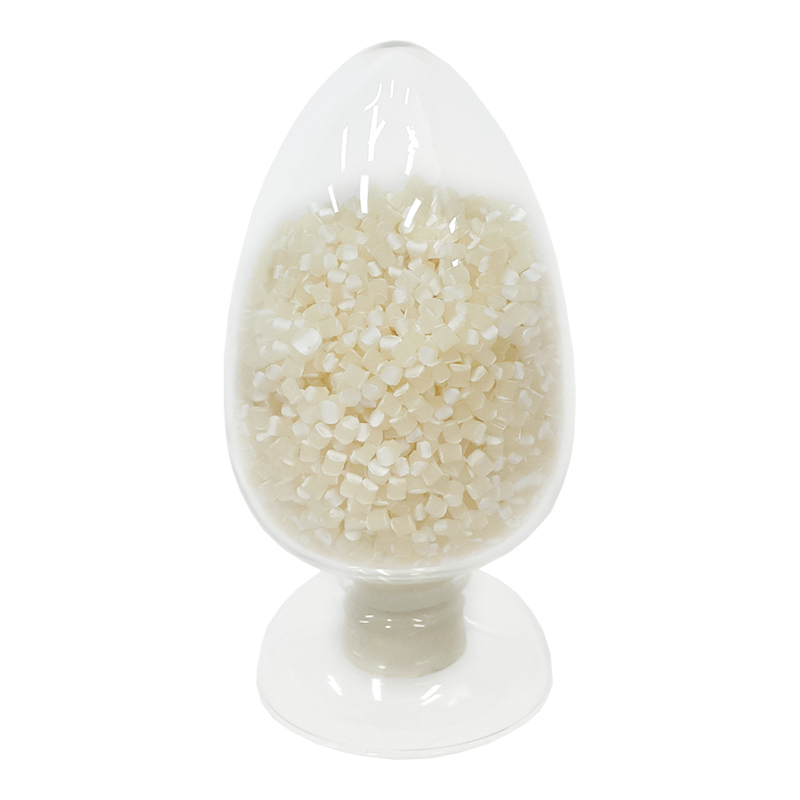
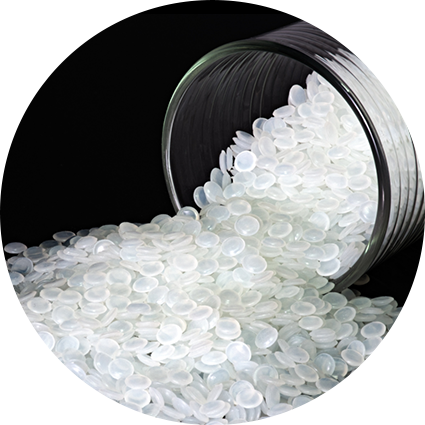
PLA is one of the most widely used materials in biodegradable packaging and bags. It is derived from fermented plant starch, typically from corn, sugarcane, or cassava, and can be processed into films and bags that look and feel similar to conventional plastic. PLA is certified compostable under EN 13432 and ASTM D6400 standards, meaning it biodegrades in industrial composting conditions within 90 days.
The limitation of PLA is that it requires industrial composting temperatures of 55 to 70 degrees Celsius to break down within the certified timeframe. In a home compost bin or in landfill conditions, PLA can persist for years because the temperatures and microbial activity needed to activate its breakdown are not present. For PLA bags to deliver their environmental benefit, access to industrial composting infrastructure is essential.
PBAT (polybutylene adipate terephthalate) and PHA (polyhydroxyalkanoates) represent the next generation of biodegradable bioplastics. PHA in particular is produced by microorganisms feeding on plant sugars and biodegrades in soil, freshwater, and marine environments without requiring industrial composting conditions. Research published in environmental science journals has shown that PHA-based materials can biodegrade in marine environments within 6 to 12 months, making them significantly more effective than PLA at addressing the problem of bags that escape into natural environments.
PBAT is often blended with PLA or starch to improve flexibility and strength while maintaining compostability certification. Many of the fully biodegradable eco-friendly bags sold for food waste collection and retail use are made from PBAT and PLA blends that balance performance with verified compostability.
Woven natural fibre bags made from cotton, jute, or hemp are fully biodegradable without any certification needed because they are made entirely from plant matter. An unbleached, undyed cotton bag will biodegrade in soil within 5 months. Jute and hemp biodegrade even faster, typically within 1 to 2 years in soil conditions, and their cultivation requires less water and pesticide input than conventional cotton.
The environmental calculation for natural fibre bags is complicated by manufacturing impact. A widely cited 2018 study by the Danish Environmental Protection Agency found that an organic cotton tote bag needs to be used at least 20,000 times to offset the greater environmental impact of its production compared to a conventional plastic bag used once. This does not mean cotton bags are a poor choice, but it does mean that reusing them consistently over many years is what makes them genuinely eco-friendly, not simply their end-of-life biodegradability.
Bags made from cassava or tapioca starch represent one of the most genuinely biodegradable options available. These bags dissolve in water, biodegrade in soil within weeks to months, and are safe for animals and marine life if they end up in the natural environment. Cassava-based bags have gained significant traction in Southeast Asia, where cassava is an abundant agricultural crop, and are used for retail, food service, and food waste applications.
The trade-off is performance: cassava bags are generally less resistant to moisture and tearing than PLA or PBAT alternatives, which limits their suitability for heavy loads or wet conditions. However, for light retail use and food service applications, their biodegradability without any infrastructure dependency makes them a compelling option.
Because the word biodegradable carries no legal definition in many markets and is therefore used freely in marketing, third-party certification from recognized standards bodies is the most reliable way to verify that a bag is genuinely fully biodegradable. The following certifications are the most widely recognized and respected in global markets.
| Certification | Standard | Composting Type | Timeframe |
|---|---|---|---|
| TUV OK Compost Industrial | EN 13432 | Industrial | 12 weeks |
| TUV OK Compost Home | AS 5810 | Home | 6 months |
| BPI Certified Compostable | ASTM D6400 | Industrial | 90 days |
| DIN CERTCO | EN 13432 or EN 14995 | Industrial or Home | Varies by type |
| TUV OK Biodegradable Soil | EN 17033 | Soil | 2 years |
| TUV OK Biodegradable Water | ASTM D7081 | Freshwater | Defined period |
The TUV OK Compost Home certification is particularly valuable for consumers and businesses without access to industrial composting facilities. A bag carrying this certification will biodegrade in a standard home compost bin within six months, making it genuinely useful to the majority of people who cannot access industrial composting infrastructure. Bags with only industrial compost certification should not be placed in home compost bins, as they will not break down effectively and may contaminate the compost.
Fully biodegradable eco-friendly bags are manufactured in a wide range of formats to serve different purposes. Matching the right bag type to the right application ensures that both performance needs and environmental goals are met without compromise.
Retail carrier bags are the most visible application for fully biodegradable eco-friendly bags. Made from PLA and PBAT blends or from cassava starch, these bags are designed to replace conventional single-use plastic carrier bags at point of sale. They are available in a range of thicknesses from lightweight single-use formats to thicker reusable-grade versions that can carry loads of 5 to 10 kilograms and withstand multiple shopping trips before being composted.
For retailers, the shift to fully biodegradable carrier bags represents both a compliance response to plastic bag regulations and a brand positioning opportunity. Research by Nielsen found that 73% of global consumers say they would definitely or probably change their consumption habits to reduce environmental impact, and visible commitment to biodegradable packaging at point of sale communicates brand values that resonate with this growing consumer segment.
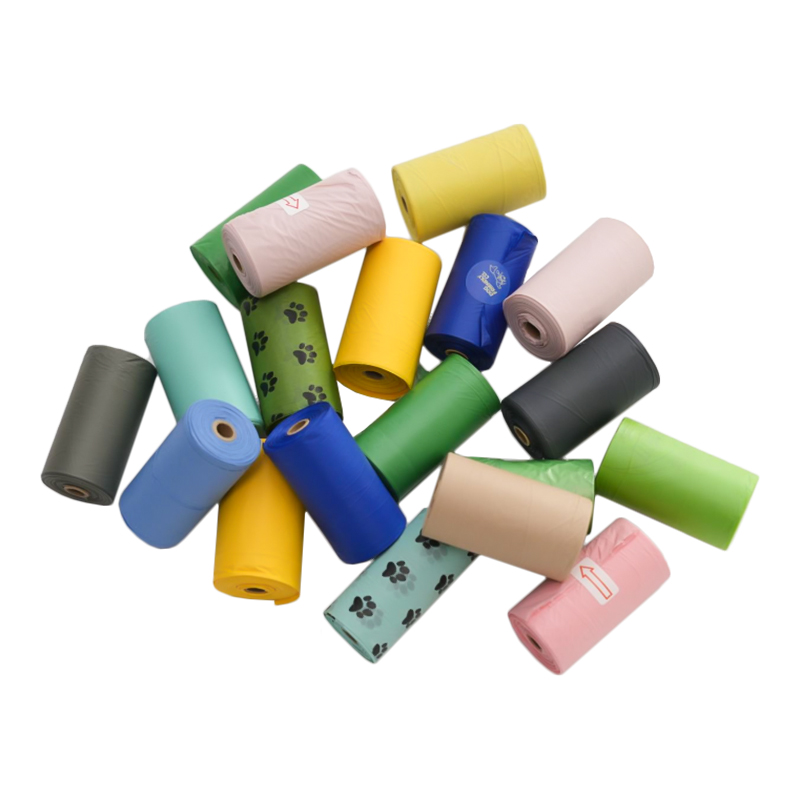
Food waste collection bags are one of the most practically important applications for fully biodegradable eco-friendly bags. Many municipal food waste collection programs specifically require the use of certified compostable bags because the bag and its contents are processed together in industrial composting facilities. Using a non-compostable bag in a food waste bin contaminates the entire composting batch and can cause it to be rejected by the processing facility.
Home compostable food waste bags, certified to the TUV OK Compost Home standard, allow households to collect food scraps and add bag and contents together to a home compost bin. This eliminates the need to separate bag from contents before composting and reduces mess significantly. The bags are typically made from PBAT and starch blends with a thickness of 12 to 18 microns to balance strength for food waste collection with reliable biodegradation in home compost conditions.
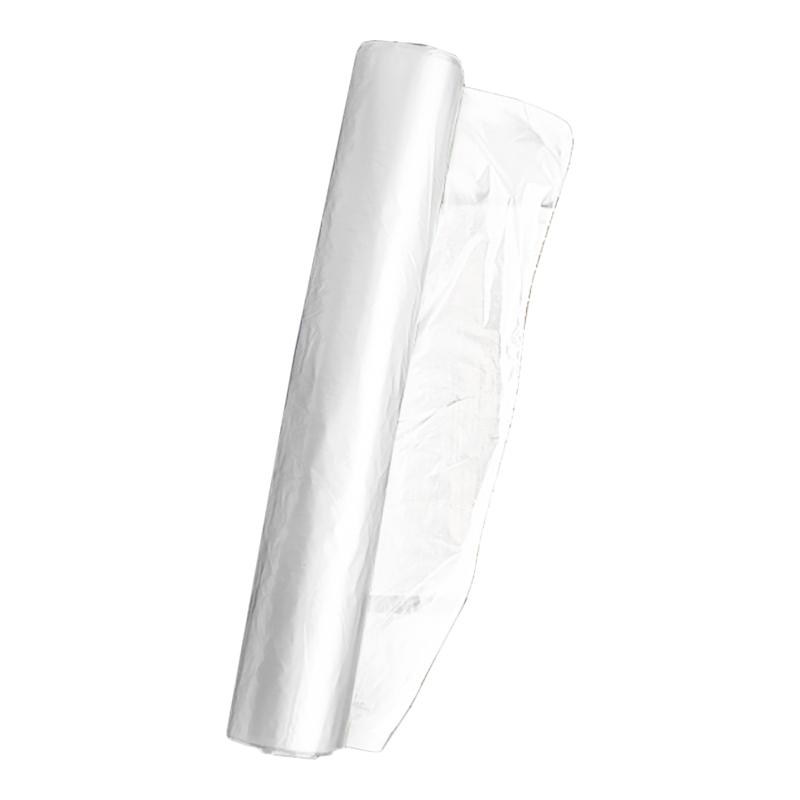
The thin bags used in supermarket produce sections for loose fruit, vegetables, and bakery items are a significant source of plastic waste because they are used briefly, rarely recycled, and often too contaminated with food residues to be practically recyclable even when collection infrastructure exists. Fully biodegradable alternatives made from PLA or cassava starch films offer a direct replacement that functions identically for the consumer but breaks down completely after disposal.
Several major supermarket chains in Europe and Australia have already transitioned their loose produce bags to certified compostable versions as part of broader packaging sustainability commitments. The cost differential between conventional polyethylene produce bags and certified compostable alternatives has narrowed significantly as production volumes have increased: compostable produce bags now cost approximately 20 to 40% more per unit than conventional plastic equivalents at commercial scale, compared to a 200 to 300% premium a decade ago.
The growth of e-commerce has created enormous demand for poly mailer bags used to ship clothing, accessories, and other soft goods. Conventional poly mailers are made from low-density polyethylene and are very rarely recycled. Fully biodegradable mailer bags made from PLA and PBAT blends or from cassava-based materials offer a compostable alternative that can be certified to EN 13432 or ASTM D6400 standards.
A practical consideration for biodegradable mailer bags is shelf life. PLA-based materials can begin to degrade in high humidity environments over extended periods, which means biodegradable mailers have a shorter storage life than conventional poly mailers. Most manufacturers recommend using biodegradable mailer stock within 12 to 18 months of production and storing in cool, dry conditions to prevent premature degradation before use.
Cotton, jute, and hemp bags occupy a different category from single-use biodegradable bags because their environmental value comes primarily from repeated reuse rather than from a short biodegradation cycle. A jute bag used 50 times over several years has a significantly lower environmental footprint per use than 50 separate single-use biodegradable bags, even if both categories are technically fully biodegradable. For regular shopping and everyday carrying, high-quality reusable natural fibre bags represent the most environmentally efficient choice when used consistently.
The biodegradable bag market contains a significant volume of products that make misleading environmental claims. Understanding the most common greenwashing tactics helps buyers identify genuinely eco-friendly products and avoid being misled by superficially appealing but substantively empty claims.
Verifying that a biodegradable bag is genuinely what it claims to be requires looking beyond the label text to the specific evidence supporting the claim:
Biodegradability at end of life is an important characteristic but it is only one dimension of a product's total environmental impact. A comprehensive assessment of eco-friendly bags needs to consider the full lifecycle from raw material sourcing through production, use, and disposal.
Plant-based biodegradable materials have variable carbon footprints depending on feedstock source, agricultural practices, and manufacturing processes. PLA production from corn starch generates approximately 2.2 kilograms of CO2 equivalent per kilogram of material, compared to 6 kilograms of CO2 equivalent per kilogram for conventional polyethylene. This represents a meaningful improvement but is not zero impact, which is why the goal of minimal use and maximum reuse still applies even with genuinely biodegradable materials.
Jute bags have an exceptionally low carbon footprint in production because the jute plant absorbs atmospheric carbon as it grows. One hectare of jute plants absorbs approximately 14.9 tonnes of CO2 and releases 11 tonnes of oxygen during a growing season, making jute cultivation a net carbon sink before any consideration of the bag's useful life.
Plant-based biodegradable materials require agricultural land and water. Conventional cotton is one of the most water-intensive crops in existence, requiring approximately 10,000 liters of water per kilogram of fiber. Jute and hemp require dramatically less water and grow without pesticides in most climates, making them significantly more resource-efficient feedstocks for natural fibre bags. Cassava, used for starch-based biodegradable bags, is drought-tolerant and grows on marginal agricultural land, reducing competition with food crops.
Even genuinely biodegradable bags do not deliver their environmental benefit if they are disposed of in ways that prevent biodegradation. A certified compostable bag sent to landfill will not biodegrade effectively because modern landfills are engineered to minimize decomposition in order to prevent gas and leachate generation. The bag will persist in landfill conditions for potentially decades despite its compostable certification. The environmental benefit of fully biodegradable eco-friendly bags is only realized when they are disposed of through composting, whether industrial or home, or in the case of soil-biodegradable or marine-biodegradable materials, in the appropriate natural environment.
This infrastructure dependency is one of the most important practical limitations of the current biodegradable bag market and argues strongly for investment in composting infrastructure alongside product specification decisions.
Selecting the most appropriate fully biodegradable eco-friendly bag requires matching the bag's properties to the specific use case, disposal route, and environmental priorities of the buyer. The following framework guides this decision across the most common scenarios.
Choose bags certified to TUV OK Compost Home if disposal is in a home compost bin, or to EN 13432 or ASTM D6400 if the local authority collects food waste for industrial composting. Confirm compatibility with the local waste collection program before purchasing, as some programs specify particular certifications or even particular brands to ensure processing facility compatibility.
Businesses should assess the composting infrastructure available to their customers. If customers are unlikely to have access to industrial composting, specifying home compostable certified bags or genuinely soil biodegradable alternatives delivers greater real-world environmental benefit than industrial compost only certified options. Printing clear disposal instructions on the bag itself significantly improves the likelihood that customers dispose of the bag correctly.
For regular grocery shopping and everyday carrying tasks, a high-quality reusable jute or hemp bag used consistently over years represents the most environmentally efficient option. Reserve single-use biodegradable bags for situations where reuse is genuinely impractical, such as food waste collection, produce bags at point of sale, or packaging applications where hygiene requirements prevent reuse.
Businesses shipping goods should assess whether certified compostable mailer bags are practical given their product requirements and the disposal options realistically available to their customers. Including a compostable certification statement and clear disposal instructions on the mailer packaging increases the likelihood that customers compost rather than landfill the bag. For businesses shipping to areas with widely available food waste collection, certified compostable mailers can be genuinely effective. For businesses shipping to areas without composting infrastructure, other packaging reduction strategies may deliver greater environmental benefit than switching to biodegradable materials that will not be correctly composted.
The most important overall principle is that fully biodegradable eco-friendly bags are a meaningful environmental improvement over conventional plastic only when they carry verified third-party certification, are matched to applications where their biodegradation pathway is accessible, and are understood by users who dispose of them correctly. Buying certified products, communicating disposal requirements clearly, and advocating for composting infrastructure investment are the three actions that together maximize the real-world environmental benefit of choosing biodegradable bags over conventional plastic alternatives.




+86 18101032584
No. 60-1, Jichuan East Road, HailingIndustrial Park, Hailing District, Taizhou City.


Copyright© Taizhou Huangyan Zeyu New Material Technology Co., Ltd. All Rights Reserved.
 Custom Fully Degradable Raw Material Manufacturers


 English
 Français
 Español
 Deutsch
 italiano