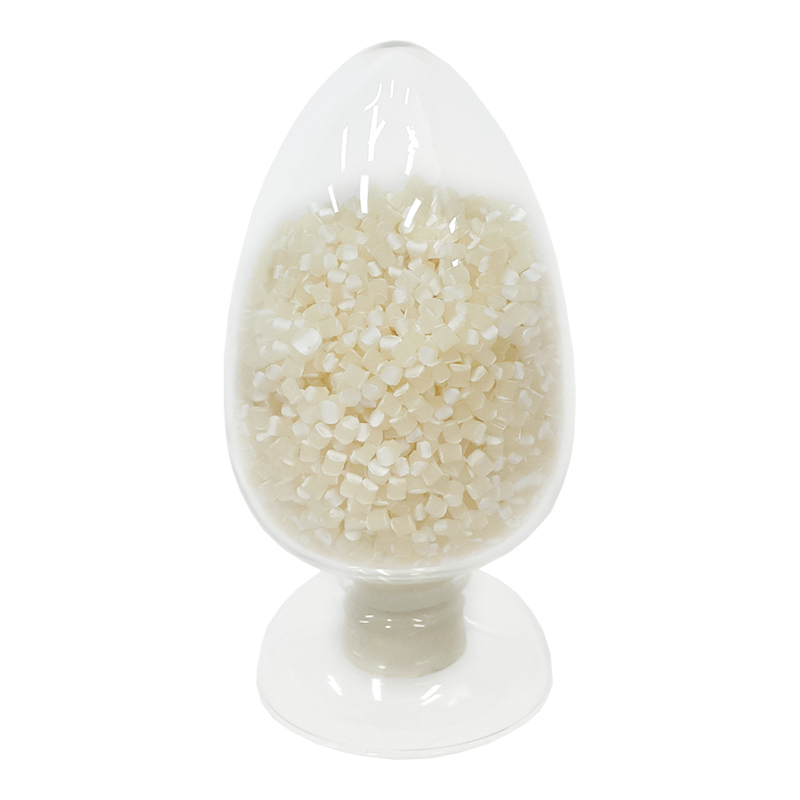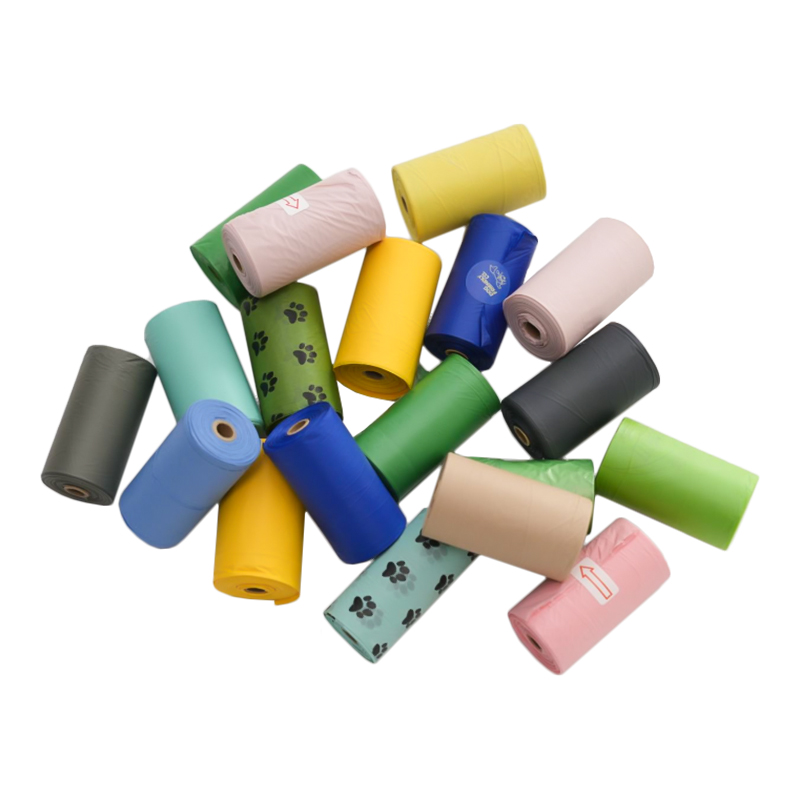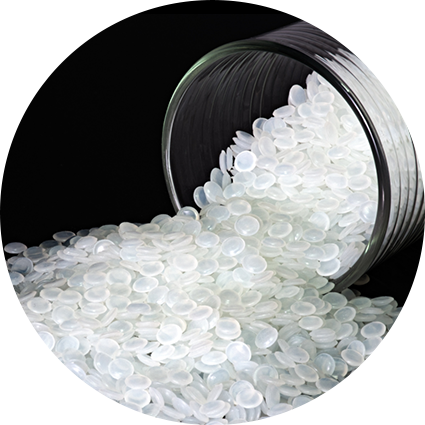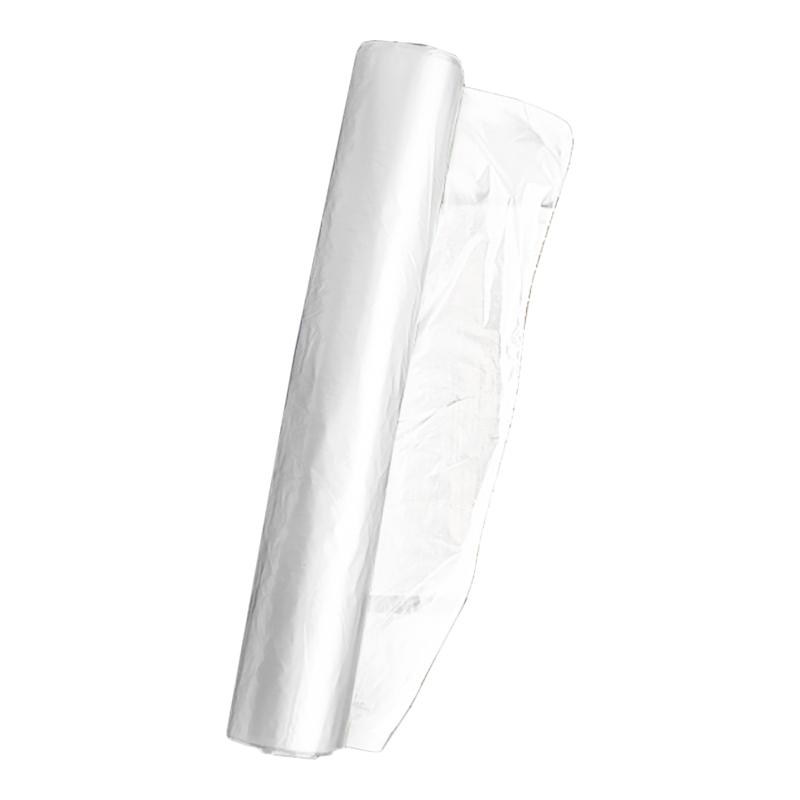

The shift toward more sustainable plastic materials has produced three increasingly specified resin categories: bio-based environmentally friendly resin, PP+ST (polypropylene blended with starch), and PE+ST (polyethylene blended with starch). Each represents a different strategy for reducing the environmental footprint of plastic products, and none is a universal substitute for the others. Bio-based resins prioritize renewable raw material sourcing and can offer genuine biodegradability depending on formulation. PP+ST and PE+ST blends retain the processing convenience and mechanical familiarity of conventional polyolefins while incorporating starch to partially reduce fossil content and, in some formulations, accelerate degradation. Choosing correctly among these materials requires understanding their actual composition, performance characteristics, certification landscape, and end-of-life behavior — all of which differ significantly from marketing descriptions.
"Bio-based" is a feedstock descriptor, not a biodegradability claim. A bio-based resin is one in which some or all of the carbon content is derived from biological sources — typically agricultural crops such as corn, sugarcane, cassava, or cellulose from wood pulp — rather than from petroleum. The bio-based content is quantifiable and verifiable through carbon-14 isotope ratio testing, standardized under ASTM D6866 and ISO 16620.
The most commercially significant bio-based resins in current production include:
This distinction is the most frequently misunderstood aspect of sustainable resins. Bio-PE, for example, is produced from renewable sugarcane but persists in the environment just as long as conventional petroleum-based PE. Conversely, PBAT is petroleum-derived but genuinely biodegradable under composting conditions. A material's environmental end-of-life profile is determined by its chemical structure, not its feedstock origin. Specifiers and buyers must evaluate both dimensions independently.
PP+ST designates a polypropylene resin compounded with starch — typically corn or cassava starch — as a functional additive or filler. The starch content in commercial PP+ST grades generally ranges from 10% to 50% by weight, with formulations above 30% starch being more common in applications targeting reduced fossil content or accelerated degradation claims.
Starch and polypropylene are thermodynamically incompatible without compatibilization chemistry — starch is hydrophilic (water-attracting) while PP is hydrophobic (water-repelling). Well-formulated PP+ST compounds use maleic anhydride-grafted PP (PP-g-MAH) or similar coupling agents to improve interfacial adhesion between the starch granules and the polymer matrix. Without adequate compatibilization, starch acts as a stress concentrator, reducing tensile strength and elongation at break.
Typical effects of starch incorporation into PP at 20–30% loading:
A common marketing claim for PP+ST materials is "biodegradable" or "oxo-degradable." The reality is more nuanced. The starch fraction in PP+ST is genuinely biodegradable — microorganisms can metabolize it. However, once the starch decomposes, the remaining PP matrix fragments into smaller pieces that are not further biodegraded by standard microbial pathways. This produces microplastic fragments rather than complete mineralization. The European Union's Single-Use Plastics Directive has specifically restricted oxo-degradable plastics for this reason. PP+ST should not be described as fully biodegradable unless supported by certified composting test data under ISO 14855 or ASTM D5338.
PE+ST is the polyethylene equivalent of PP+ST — a blend of polyethylene (most commonly LDPE or LLDPE for film applications, HDPE for rigid applications) with starch as the bio-derived component. The same fundamental compatibility challenges apply, and the same compatibilization strategies — MAH grafting, surface-treated starch — are used to achieve acceptable mechanical properties.
Polyethylene — particularly LDPE and LLDPE — is the dominant substrate for blown and cast film production. Incorporating starch into PE film formulations allows manufacturers to partially substitute fossil content while retaining the film-blowing processability that PE is known for. Commercial PE+ST film grades at 15–30% starch content can be processed on standard blown film equipment with modest screw speed and temperature adjustments, making them accessible to converters without capital investment in new machinery.
Common applications for PE+ST include:
At starch loadings above 20%, PE+ST films show measurable reductions in dart impact strength and tear resistance compared to unfilled PE — properties that are critical for bags and pouches. Dart drop impact can decrease by 30–50% at 30% starch loading without optimized compatibilization. For applications where puncture and tear resistance are performance requirements, PE+ST grades need to be specifically qualified against the application's mechanical specification, not assumed to perform equivalently to neat PE film.
| Attribute | Bio-Based Resin (e.g., PLA, Bio-PE) | PP+ST | PE+ST |
|---|---|---|---|
| Feedstock Origin | Renewable (plant-based) | Mostly fossil + bio starch | Mostly fossil + bio starch |
| Bio-Based Content | 50–100% | 10–50% | 10–50% |
| Biodegradability | PLA: Yes (industrial compost); Bio-PE: No | Partial (starch only) | Partial (starch only) |
| Processing Compatibility | Requires new parameters (PLA); Bio-PE drop-in | Near drop-in on PP lines | Near drop-in on PE lines |
| Mechanical Properties | PLA: Brittle; Bio-PE: Equal to PE | Reduced vs neat PP | Reduced vs neat PE |
| Cost vs Conventional | 20–80% premium (PLA); ~30% (Bio-PE) | Modest premium or neutral | Modest premium or neutral |
| Recyclability | Bio-PE: Yes; PLA: Separate stream only | Contaminates PP recycle stream | Contaminates PE recycle stream |
| Key Certifications | EN 13432, ASTM D6400, ASTM D6866 | ASTM D6866 (bio content only) | ASTM D6866 (bio content only) |
The sustainable plastics market contains significant greenwashing risk. Material descriptions like "eco-friendly," "green plastic," or "biodegradable blend" without supporting certification data should be treated skeptically. The following standards provide verifiable, third-party-assessed benchmarks:
For PP+ST and PE+ST materials, the only universally verifiable claim without full composting certification is bio-based carbon content per ASTM D6866. Biodegradability and compostability claims require data under ISO 14855, EN 13432, or ASTM D6400 — and for these blends, that data is rarely available because the residual polyolefin matrix prevents passing the full composting certification criteria.
All three materials can be processed on conventional thermoplastic equipment, but each has specific requirements that affect production efficiency and part quality.
PP+ST compounds can typically be processed on standard PP injection molding or extrusion equipment with moderate adjustments. Key processing notes:
PE+ST film grades require similar precautions to PP+ST but within PE's lower processing temperature range (150–190°C for LDPE/LLDPE blown film). Starch content above 25% may require die gap adjustments and increased blowing pressure to maintain stable bubble formation. Surface quality and gloss may be reduced compared to unfilled PE film, which affects suitability for applications requiring premium optical properties.
The decision between bio-based resin, PP+ST, and PE+ST is ultimately driven by the specific performance requirements and end-of-life pathway of the target application. The following framework helps align material choice with real-world requirements:
| Application | Recommended Resin | Key Reason |
|---|---|---|
| Food service disposables (cups, trays, cutlery) | Bio-based PLA (EN 13432 certified) | Genuine compostability, food contact approval, regulatory compliance |
| Carrier bags / shopping bags (with partial bio content) | PE+ST (15–30% starch) | Drop-in processability, cost neutrality, partial fossil content reduction |
| Rigid injection-molded parts requiring PP-equivalent performance | PP+ST (≤20% starch) or Bio-PP | Maintains adequate stiffness and impact for structural parts |
| Cosmetics / personal care bottles and closures | Bio-PE (Braskem or equivalent) | Drop-in drop replacement, recyclable in PE stream, premium positioning |
| Agricultural mulch film | PBAT/PLA blend or PE+ST (certified) | Field degradation after crop cycle, avoids plastic residue in soil |
| Compost bags (for organic waste collection) | TPS/PBAT blend or PLA (certified compostable) | Must meet EN 13432 for acceptance at composting facilities |
End-of-life handling is where the practical environmental difference between these resins becomes most consequential — and most often misrepresented.
The most defensible environmental positioning for PP+ST and PE+ST materials is therefore reduced fossil carbon content per unit weight — a measurable, verifiable claim — rather than biodegradability or compostability claims that the material's chemistry cannot support through full certification.




+86 18101032584
No. 60-1, Jichuan East Road, HailingIndustrial Park, Hailing District, Taizhou City.


Copyright© Taizhou Huangyan Zeyu New Material Technology Co., Ltd. All Rights Reserved.
 Custom Fully Degradable Raw Material Manufacturers


 English
 Français
 Español
 Deutsch
 italiano