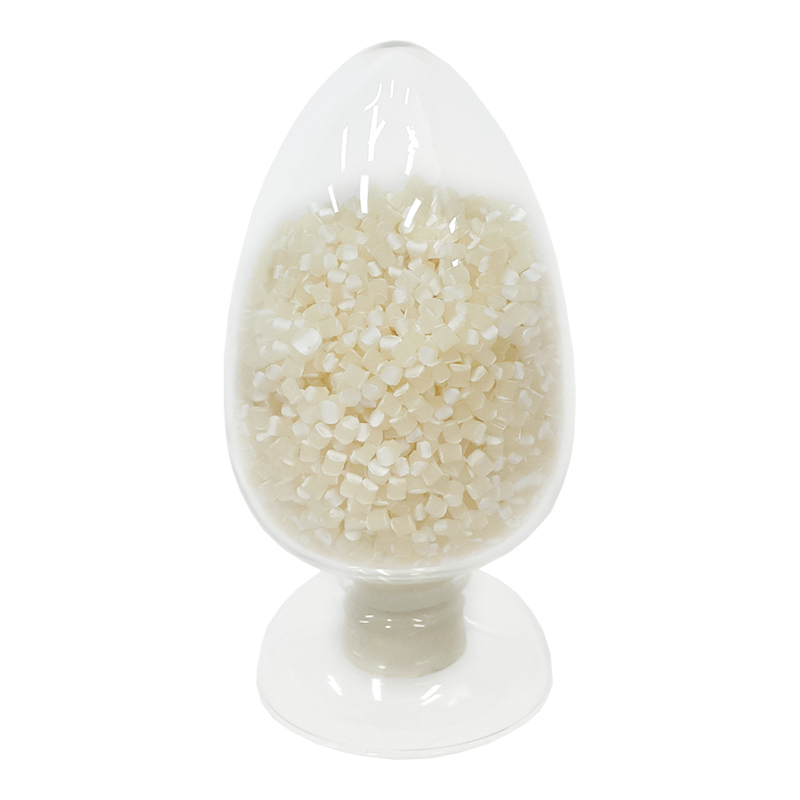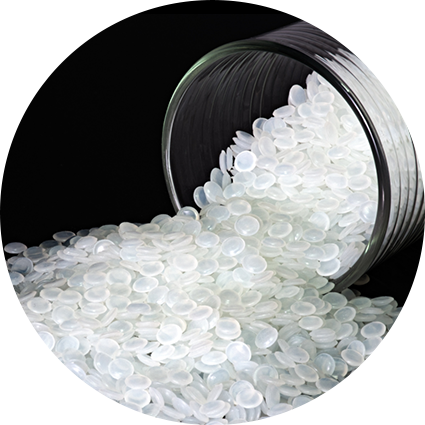

What exactly goes into the makeup of Bio-Based Environmentally Friendly Resin? Bio-based material SWJ/M-3502 is a green and environmentally friendly innovative material, mainly made of a blend of some starch and PE. This specific formulation is designed to reduce carbon dioxide emissions, slow down the greenhouse effect, and promote environmentally friendly sustainable development.
The integration of starch—a natural, abundant, and renewable polymer—significantly offsets the volume of petroleum-based polyethylene (PE) required. Because some of its raw materials are renewable and non-toxic, there is an inherent guarantee that there is no harm to the human body and the environment during use. This non-toxic nature is a critical factor for products that come into frequent contact with consumers, ensuring that the material is as safe as it is sustainable.
Can a plant-derived material meet the rigorous safety standards of the power industry? The Bio-Based Environmentally Friendly Resin used in the SWJ/M series is specifically engineered for high-performance dielectric strength. The material has desirable electrical insulation and wear resistance, making it a robust alternative to standard engineering plastics.
In the electrical and electronic industry, its electrical insulation makes it an ideal choice for manufacturing components such as electrical housings and plugs. Unlike traditional biodegradable materials that might absorb moisture and lose their resistive properties, the starch-PE blend maintains a stable molecular structure that prevents electrical leakage. This ensures that even in high-voltage applications, the components remain safe and functional throughout their operational life.
To understand the mechanical and ecological advantages of this Bio-Based Environmentally Friendly Resin, what are the primary technical benchmarks for the SWJ/M series? The following table provides a snapshot of the material's capabilities:
|
Feature Category |
Technical Specification |
Practical Application |
|---|---|---|
|
Material Base |
Starch and PE (Polyethylene) Blend |
Sustainable packaging and durable goods |
|
Environmental Impact |
Low Carbon, Non-toxic, Renewable |
Carbon footprint reduction in smart cities |
|
Insulation Property |
High Dielectric Strength |
Electrical housings, plugs, and connectors |
|
Mechanical Property |
High Wear Resistance |
Automotive trims and appliance parts |
|
Safety Profile |
Non-toxic and Human-safe |
Home appliances and consumer packaging |
|
Industry Suitability |
Packaging, Automotive, Electronics |
Universal replacement for traditional plastics |
Why is wear resistance such a critical metric for a Bio-Based Environmentally Friendly Resin? In the home appliance industry, components are subjected to constant friction, heat, and mechanical stress. The wear-resistant insulating bio-based material SWJ/M-3501/3502 is suitable for the production of home appliance parts, improving the durability and green environmental protection of the product.
Whether it is a handle on a washing machine or the internal gears of a kitchen appliance, the material must resist "scuffing" and structural thinning over time. By combining the natural flexibility of starch with the wear-resistant properties of the PE matrix, SWJ/M-3502 ensures that products do not fail prematurely. This longevity is, in itself, an environmental benefit, as it extends the replacement cycle of consumer electronics and reduces the volume of e-waste entering landfills.
Can a Bio-Based Environmentally Friendly Resin withstand the harsh conditions of the automotive sector? In the automotive industry, materials are exposed to fluctuating temperatures, UV radiation, and constant physical handling. With its wear resistance and environmental protection characteristics, SWJ/M-3502 is suitable for the production of automotive interior and exterior trims.
The use of this resin in dashboard components, door panels, and decorative moldings allows automakers to reduce the overall "embodied carbon" of the vehicle. Furthermore, the non-toxic nature of the material ensures that no harmful Volatile Organic Compounds (VOCs) are released into the cabin as the vehicle ages. This contributes to a healthier "in-car" environment for passengers while maintaining the premium finish and tactile feel expected in modern automotive design.
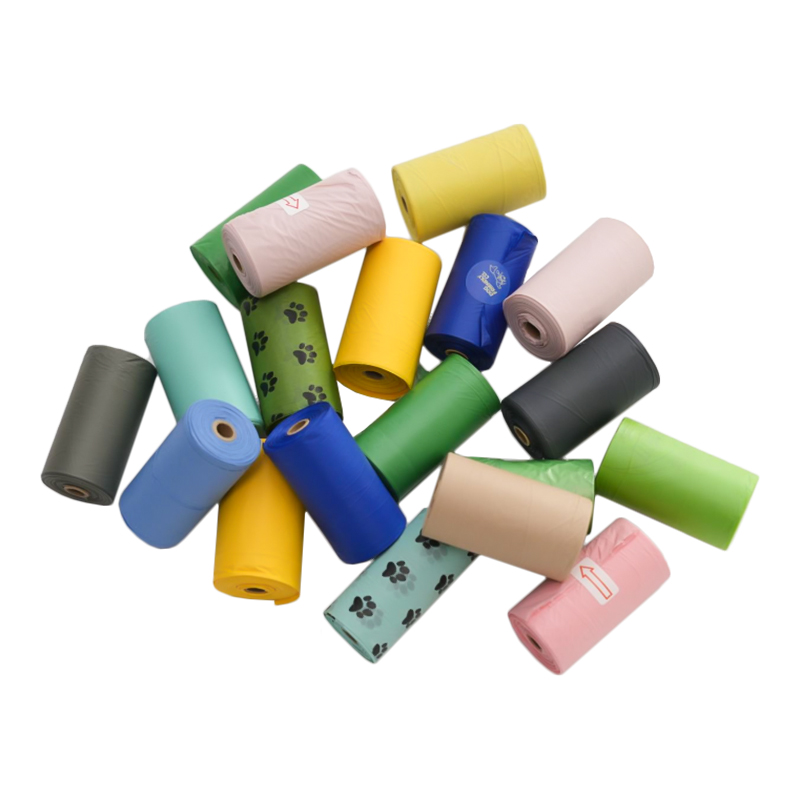
In the packaging field, how can we move away from the "single-use" stigma of traditional plastics? SWJ/M-3502 can replace traditional plastic materials and effectively reduce plastic pollution. Because a significant portion of the resin is derived from starch, it breaks down more favorably under specific waste-management conditions compared to 100% synthetic polymers.
Moreover, the production of Bio-Based Environmentally Friendly Resin consumes less energy and generates fewer greenhouse gases than the extraction and refining of virgin oil for plastics. When used for industrial packaging or consumer goods wrapping, the material provides the necessary barrier properties and tensile strength while offering a clear "green" end-of-life pathway. This transition is essential for industries looking to align with global sustainability goals without sacrificing the protection of their products.
What are the implications of using non-toxic raw materials in the production of Bio-Based Environmentally Friendly Resin? In traditional plastic manufacturing, certain additives and catalysts can be harmful if they leach out of the product. However, the starch-based innovation of SWJ/M-3502 ensures that there is no harm to the human body and the environment during use.
This safety profile makes it particularly attractive for the home appliance and toy industries. Parents and homeowners can be assured that the components within their living spaces do not contain endocrine disruptors or heavy metals often associated with low-grade plastics. The "green" label of this material is therefore not just about carbon—it is about biological safety and the promotion of a non-toxic circular economy.
Why is the specific blend of starch and PE so effective for a Bio-Based Environmentally Friendly Resin? Pure starch is often too brittle for industrial use, while pure PE is entirely dependent on fossil fuels. The innovative blend found in SWJ/M-3502 achieves a synergistic effect where the PE provides the structural "skeleton" and the starch provides the renewable "bulk."
This balance allows the resin to be processed using standard injection molding and extrusion equipment. Manufacturers do not need to invest in new machinery to switch to this green material. The result is a resin that has the desirable electrical insulation of a high-end plastic but the environmental conscience of a bio-material. It can be molded into thin-walled packaging or thick, high-load automotive parts with equal success.
How does the choice of a specific resin impact the global climate? The core mission of Bio-Based Environmentally Friendly Resin is to reduce carbon dioxide emissions. Plants, which are the source of the starch, absorb CO2 from the atmosphere as they grow. By locking this carbon into a durable material like SWJ/M-3502, we effectively "sequester" that carbon for the duration of the product's life.
When compared to traditional plastics, which release "ancient" carbon into the atmosphere when incinerated or decomposed, bio-based resins operate on a much shorter, more balanced carbon cycle. This is the primary reason why SWJ/M-3502 is described as a premier solution for promoting environmentally friendly sustainable development. It provides a tangible way for heavy industries to meet their ESG (Environmental, Social, and Governance) targets.
In the manufacturing of plugs and electrical housings, why is precision as important as insulation? Bio-Based Environmentally Friendly Resin must maintain its dimensions perfectly during the cooling process to ensure that components fit together with zero tolerance for error.
The SWJ/M series is designed with low shrinkage rates, ensuring that the final parts are accurate to the millimeter. This precision, combined with the material’s desirable electrical insulation, makes it an ideal choice for the complex geometries required in modern electronics. From smartphone internal frames to industrial circuit breakers, the resin provides a stable, non-conductive, and environmentally responsible housing that protects both the technology and the user.
What are the long-term consequences if industries do not switch to materials like Bio-Based Environmentally Friendly Resin? Traditional plastics persist in the environment for centuries, breaking down into microplastics that contaminate water and soil. The green and environmentally friendly performance of SWJ/M-3502 is suitable for replacing traditional plastics and reducing pollution to the environment.
By choosing a material where some of its raw materials are renewable, we reduce the demand for oil extraction and the environmental degradation associated with it. The SWJ/M-3501 and SWJ/M-3502 materials prove that "green" does not mean "weak." With their high wear resistance and electrical properties, these resins offer a no-compromise solution for the automotive, packaging, and electronic sectors, paving the way for a truly sustainable industrial future.
Does the "environmental" label ever mean a shorter lifespan for the product? On the contrary, the Bio-Based Environmentally Friendly Resin in the SWJ/M series is engineered for durability. The wear resistance of the starch-PE matrix ensures that automotive interior trims don't fade or scratch easily, and home appliance parts don't crack under repeated use.
This durability is a core component of sustainable development. A product that lasts longer is inherently more eco-friendly because it reduces the frequency of manufacturing cycles and the consumption of raw materials. SWJ/M-3502 demonstrates that by using a blend of renewable starch and durable PE, we can create products that are both green and built to last, providing a reliable foundation for the next generation of eco-conscious consumer goods.




+86 18101032584
No. 60-1, Jichuan East Road, HailingIndustrial Park, Hailing District, Taizhou City.


Copyright© Taizhou Huangyan Zeyu New Material Technology Co., Ltd. All Rights Reserved.
 Custom Fully Degradable Raw Material Manufacturers


 English
 Français
 Español
 Deutsch
 italiano