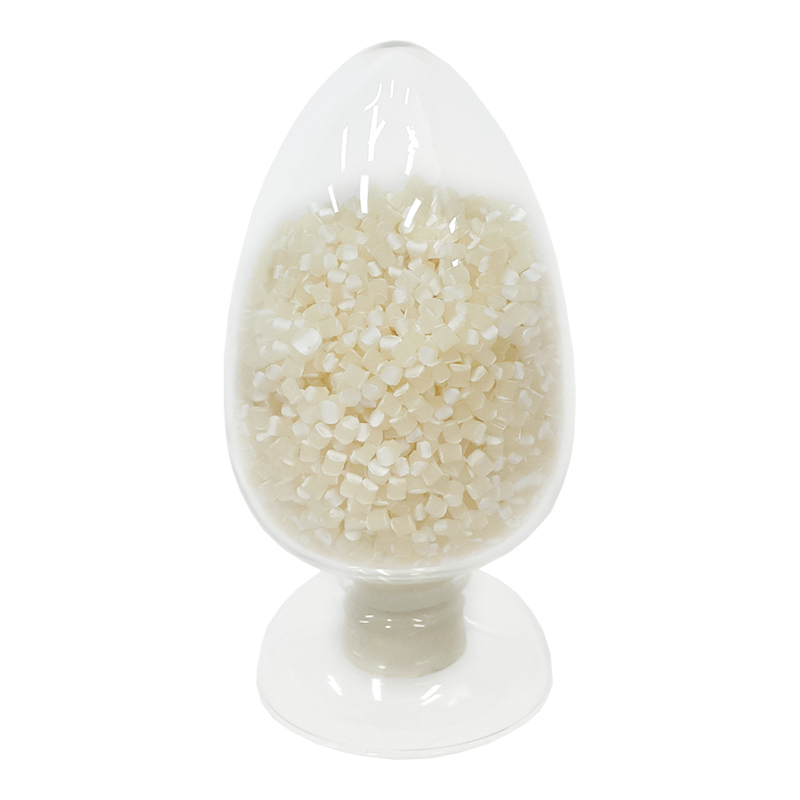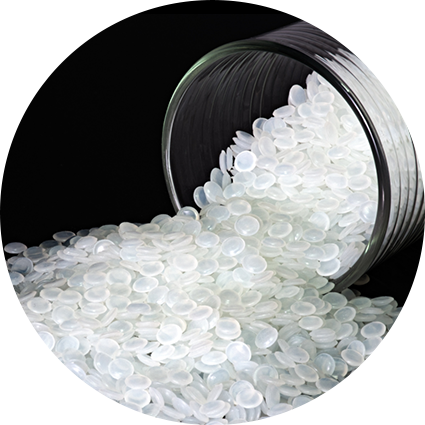

In the global effort to mitigate environmental impact, the development of high-performance sustainable packaging has become a focal point for researchers and manufacturers alike. Fully Biodegradable Eco-Friendly Bags have emerged as a sophisticated solution, moving beyond simple disposability to offer genuine structural integrity. The secret behind this evolution is the use of Non-deformable fully biodegradable material. This high-performance material is designed specifically for environmentally friendly bags and flat-mouth eight-fold garbage bags, ensuring that "green" choices no longer come at the cost of product reliability. But how does this material ensure that a bag remains stable and strong while possessing the ability to naturally degrade after its service life?
The core value of this innovation lies in its advanced fully biodegradable technology. Unlike traditional plastics that persist for centuries, these materials are engineered to return to nature without leaving harmful microplastics behind. However, the true breakthrough is the "non-deformable" characteristic. By combining high molecular weight biopolymers with specialized reinforcement agents, the material maintains its shape and strength even under stress. This ensures that whether used for heavy-duty waste management or high-end retail packaging, the product provides a desirable use experience while promoting the recycling of biological resources and fostering a circular economy.
The transition to biodegradable waste solutions often faces the hurdle of material weakness, which leads to frequent tearing and leakage. Why is the introduction of Non-deformable fully biodegradable material considered a game-changer for the production of flat-mouth eight-fold garbage bags?
The material is designed to be naturally degraded after use through microbial action. When disposed of in a composting environment, the molecular chains of the Non-deformable fully biodegradable material break down into water, carbon dioxide, and biomass. This process:
Eliminates Persistent Waste: It significantly reduces the volume of plastic pollution in landfills and oceans, addressing the "white pollution" crisis at its source.
Reduces Toxic Leaching: Unlike conventional PE bags that contain heavy metal catalysts, these bio-based alternatives do not release endocrine disruptors or harmful chemicals during the degradation process, ensuring the safety of groundwater.
Supports Soil Health: The resulting biomass can contribute to the organic matter in soil, enriching the ecosystem and closing the loop of the product lifecycle in a truly sustainable manner.
One of the most versatile features of this material is its adjustable thickness. This enables the material to be flexibly adjusted according to the specific needs of the manufacturer.
Tailored Strength: For example, a lightweight shopping bag might require a thinner gauge to remain cost-effective and flexible, whereas a flat-mouth eight-fold garbage bag requires a thicker, more robust profile to handle heavy household waste.
Precision Engineering: This adaptability ensures that the Non-deformable fully biodegradable material can adapt to different application scenarios without compromising the bag's structural integrity. Whether it is a micron-thin produce bag or a heavy-duty industrial liner, the material provides the necessary stability for every task.
To understand the durability of Fully Biodegradable Eco-Friendly Bags, one must examine the technical parameters of the BIO/M-RB01 formulation. This material is the result of years of R&D focused on tensile strength and environmental compliance:
|
Property Category |
Technical Specification / Detail |
|---|---|
|
Material Designation |
BIO/M-RB01 Non-deformable Fully Biodegradable Material |
|
Primary Application |
Flat-mouth eight-fold garbage bags & Eco-friendly shopping bags |
|
Load-bearing Capacity |
High-strength (Capable of handling >15kg for standard bags) |
|
Temperature Resistance |
Heat-resistant (Stable up to 60-70°C without deformation) |
|
Customization Options |
Adjustable colors, high-definition patterns, and variable film thickness |
|
Structural Integrity |
High toughness / Excellent puncture resistance under tension |
|
Degradation Standard |
Fully biodegradable (Compliant with EN13432 and ASTM D6400) |
|
Physical Aesthetic |
High-quality finish with customizable matte, gloss, or textured patterns |
When consumers think of biodegradable products, they often worry about bags breaking or tearing before they even reach the bin. How does the Non-deformable fully biodegradable material guarantee high strength and toughness even when subjected to large tension?
The molecular structure of BIO/M-RB01 is engineered to mimic the long-chain resilience of traditional polymers. Through a process of molecular alignment during extrusion, the material develops a high degree of internal cohesion. This ensures that the material is not easy to break even when carrying sharp objects like broken glass or heavy organic waste. The toughness of the material allows it to stretch significantly before reaching its breaking point, providing a vital safety margin for the user. In the context of Fully Biodegradable Eco-Friendly Bags, this means that the handles will not snap and the bottom will not fail, ensuring the durability and stability of the product throughout its entire usage cycle.
Many bio-materials are notoriously heat-sensitive, softening and losing their shape when exposed to even moderate warmth. Why is it important that the Non-deformable fully biodegradable material remains stable under high-temperature conditions?
Garbage bags often encounter hot environments—from warm kitchen waste such as coffee grounds to high-temperature outdoor disposal bins in summer.
Maintaining Reliability: The heat resistance of BIO/M-RB01 ensures that the bag maintains its structural dimensions and sealing integrity even when in contact with hot waste, preventing "slumping" or melting.
Working Environment Adaptability: This ensures the reliability of the bag in various working environments, from industrial food service to residential waste collection, where temperatures can fluctuate significantly throughout the day.
Storage Stability: Heat resistance also means the bags can be stored in warehouses or transport containers in summer months without the material becoming sticky or losing its tensile strength, ensuring the product arrives in perfect condition.
Environmental products often suffer from a "utilitarian" or "plain" look. How do customizable features improve the market appeal of Fully Biodegradable Eco-Friendly Bags?
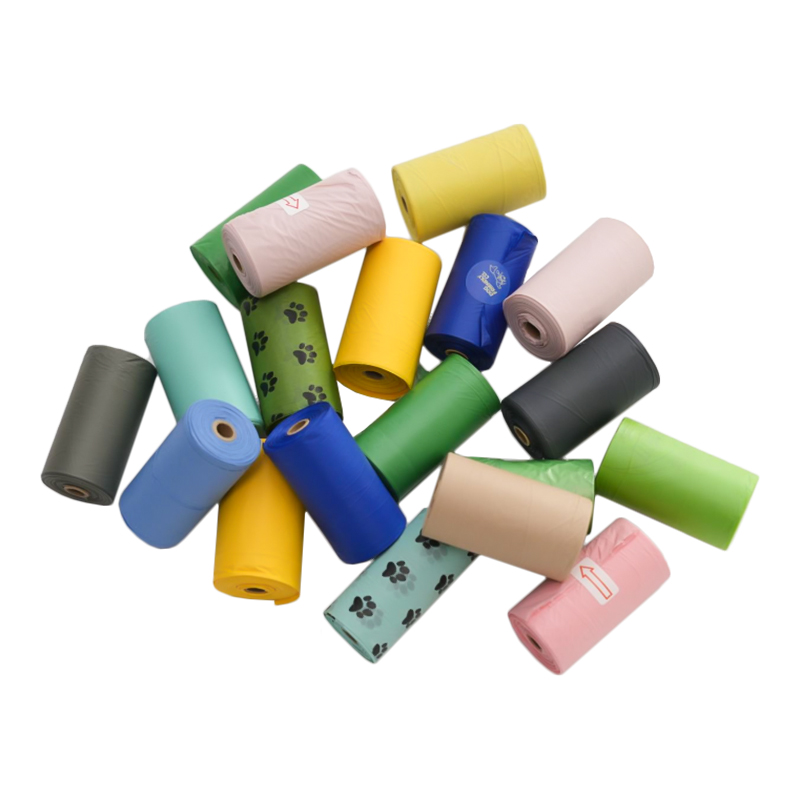
The ability to customize colors and patterns meets the needs of personalized design and branding. For retail brands, this means they can print high-resolution logos and use vibrant colors on their eco-friendly bags without affecting the biodegradability of the product.
Aesthetic Appearance: The material takes ink well and can be produced in various hues, enabling the creation of "beautiful appearance" bags that align with a brand's luxury or minimalist identity.
Information Printing: Manufacturers can print disposal instructions, QR codes, or eco-certifications directly on the bag, helping consumers understand the proper way to compost the product and promoting environmental literacy.
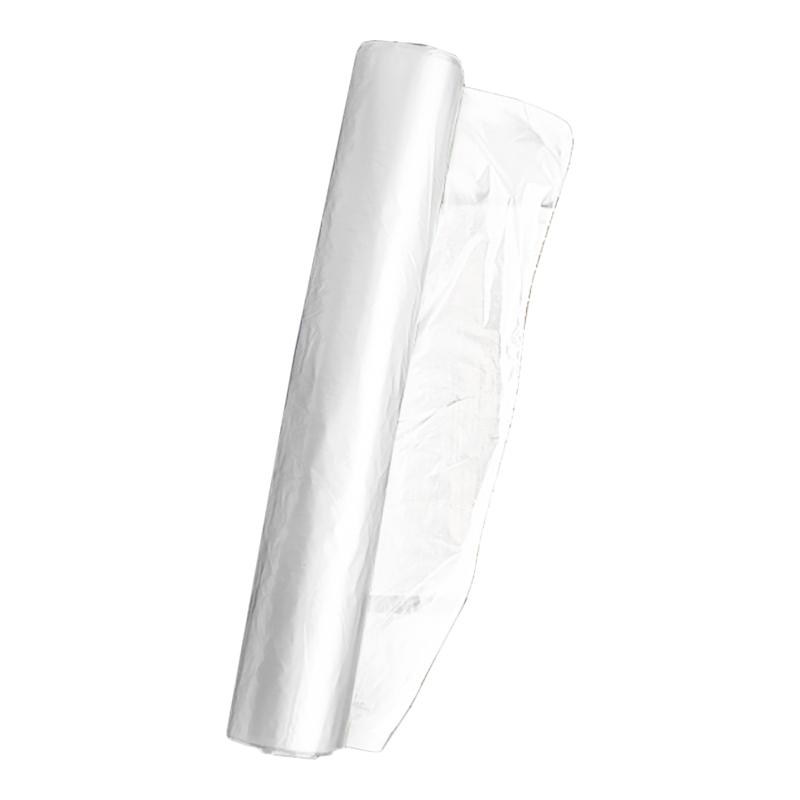
The physical construction of a bag is just as important as the material itself. Why is the flat-mouth eight-fold design particularly suited for the BIO/M-RB01 material?
The eight-fold garbage bag construction creates a reinforced bottom seal that distributes weight more evenly across multiple layers. When paired with a material like BIO/M-RB01, which has an inherently strong load-bearing capacity, the result is a bag that is suitable for handling various daily garbage types, including heavy organic waste. This design minimizes the risk of leaks at the bottom corners—the most common point of failure for standard bags. The synergy between the non-deformable material and the structural folding technique ensures that the bag remains upright and manageable during the disposal process, providing a desirable use experience.
Beyond simple waste collection, where else can the Non-deformable fully biodegradable material be utilized in our daily lives?
Because the material provides high strength and good toughness, it is an ideal material for a wide range of daily consumer goods that require durability and eco-friendliness. This includes:
Express Packaging: Creating durable mailing bags that can withstand the rigors of shipping while being fully compostable at the destination.
Agricultural Mulch: Using the heat resistance and high toughness for specialized farming applications to protect crops without leaving plastic residue.
Retail Carriers: Providing high-end boutiques with a bag that feels premium and is "not easy to break," reinforcing the brand's quality through material choice.
Why is the ability to change the thickness of the film considered a primary technical advantage for Fully Biodegradable Eco-Friendly Bags?
The adjustable thickness allows for a precision-engineered product that avoids material waste. For heavy-duty industrial applications, the Non-deformable fully biodegradable material can be extruded into a thicker film that resists punctures from wood scraps, metal fragments, or garden waste. Conversely, for light-duty bread bags or produce bags, the thickness can be reduced to save material and costs without losing the essential non-deformable characteristics. This flexibility ensures that the product is never over-engineered or under-engineered, providing exactly the right amount of stability for the intended task.
Tensile strength is the most critical metric for any bag manufacturer. How does the Non-deformable fully biodegradable material respond when subjected to large weight or sudden drops?
The material undergoes a rigorous testing phase where it is subjected to tension that simulates the overfilling of a garbage bag. Because of its high molecular toughness, the material resists the "necking" effect where plastic thins out and snaps. This resistance to breakage under tension is what makes BIO/M-RB01 a superior choice for high-traffic environments like restaurants, shopping malls, and airports, where garbage bags are often filled to their absolute capacity and dragged across floors.
A common question regarding Fully Biodegradable Eco-Friendly Bags is whether they will begin to break down before they are used. How is the stability of the Non-deformable fully biodegradable material maintained during storage?
Advanced fully biodegradable technology ensures that the degradation process is triggered by specific environmental factors, such as the presence of microbes, moisture, and heat found in a compost pile. In a standard warehouse or home storage environment, the material remains stable and non-deformable. This ensures that the bags have a reliable shelf life of 12-18 months and will not lose their high strength or toughness while waiting for use. The material only begins its transition back to the environment after it has fulfilled its role as a high-performance carrier, ensuring a reliable use experience from the moment of purchase to the final disposal.




+86 18101032584
No. 60-1, Jichuan East Road, HailingIndustrial Park, Hailing District, Taizhou City.


Copyright© Taizhou Huangyan Zeyu New Material Technology Co., Ltd. All Rights Reserved.
 Custom Fully Degradable Raw Material Manufacturers


 English
 Français
 Español
 Deutsch
 italiano