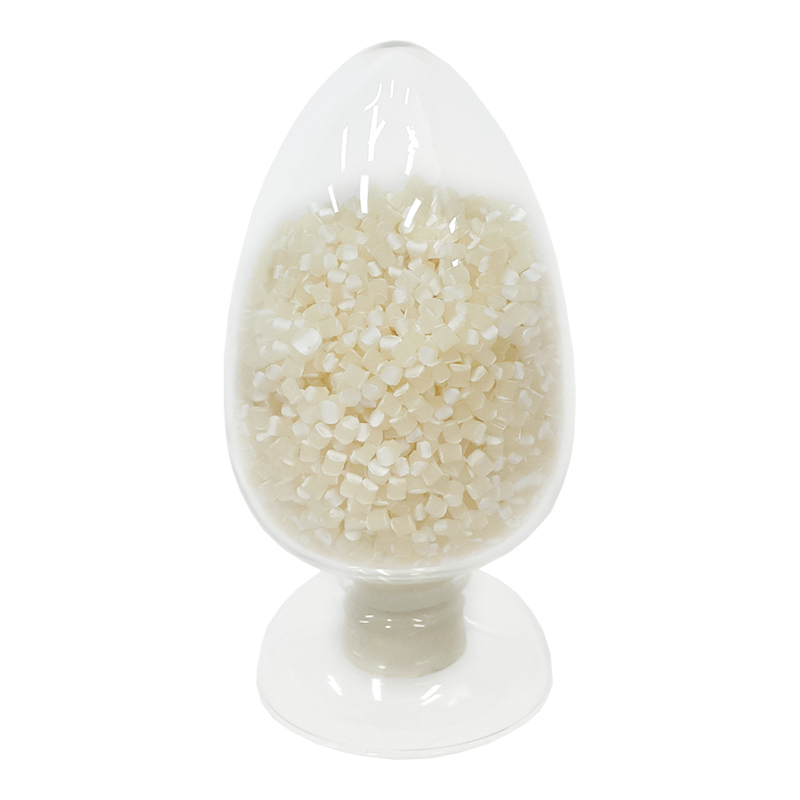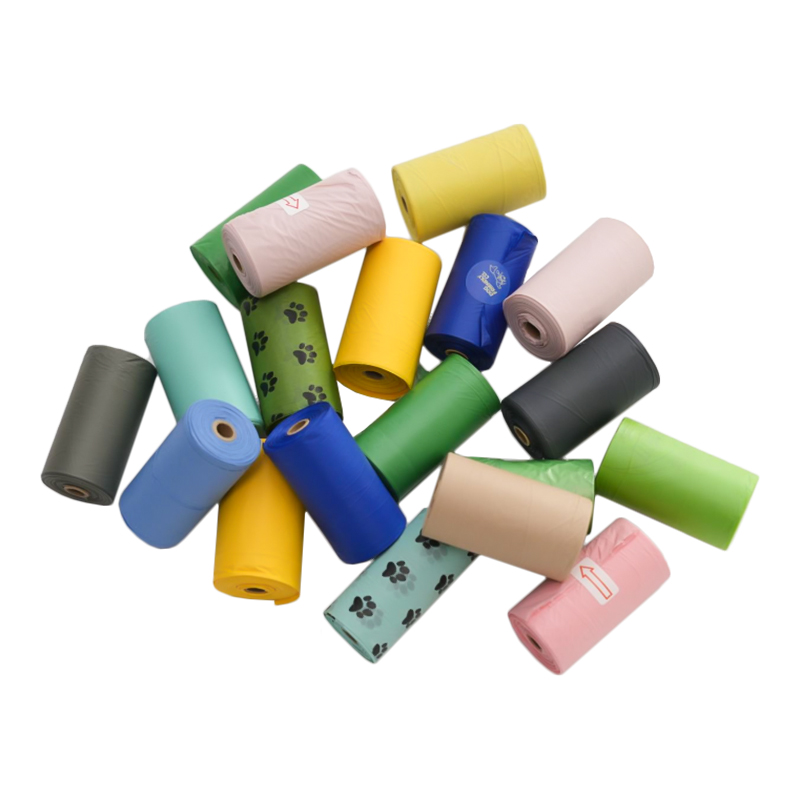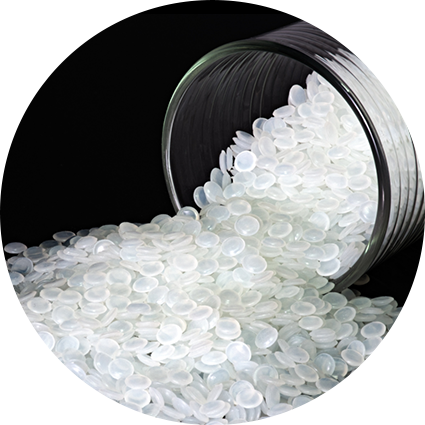

How long does it take for biodegradable plastic to decompose: it depends entirely on the material type and disposal environment. PLA (polylactic acid) biodegradable plastic requires industrial composting conditions at 58 to 70 degrees Celsius to break down in 60 to 90 days. In a home compost pile or landfill without those controlled conditions, the same PLA bag can persist for 100 years or more. PBAT-based biodegradable bags certified to EN 13432 or ASTM D6400 decompose in 12 weeks under industrial composting, and some certified home compostable grades break down in 6 to 12 months in a well-maintained home compost environment.
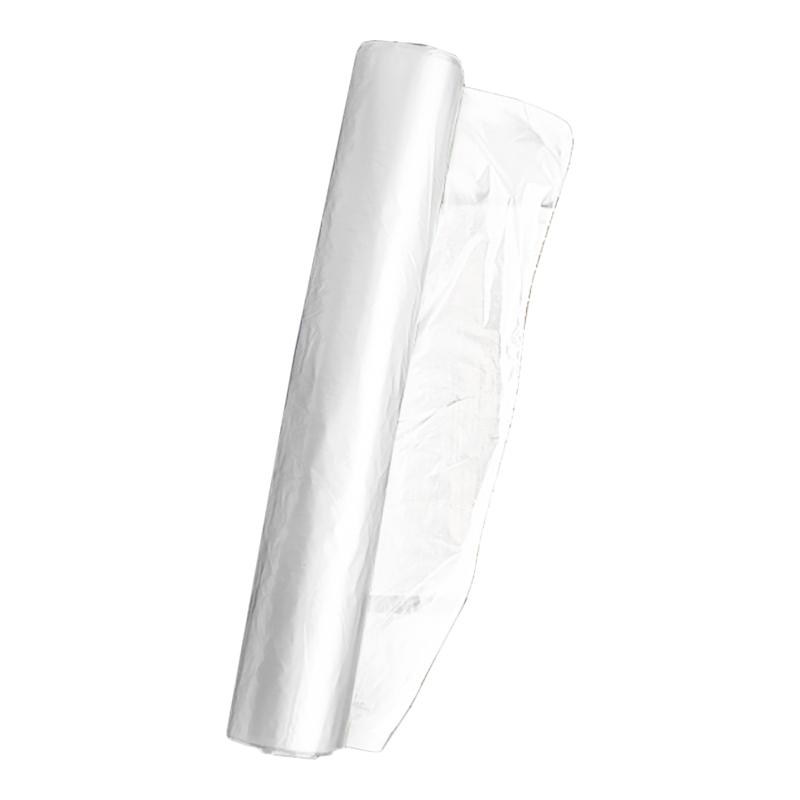
Kitchen trash bag size: the standard kitchen bin size in most households is 10 to 13 gallons (38 to 49 liters), and the matching bag is a 13-gallon or 50-liter tall kitchen bag. Under-sink bins and smaller kitchen caddies typically use 4 to 6 gallon (15 to 23 liter) bags. Always measure your bin's height and circumference before purchasing bags in bulk.
Is resin biodegradable: conventional petroleum-based resin, including epoxy resin, polyester resin, and polyurethane resin, is not biodegradable under any normal environmental conditions. Bio-based resins derived from plant oils or starch polymers exist but are not yet widely available and require specific industrial conditions to biodegrade. Standard craft and industrial resins will persist in the environment for hundreds of years.
Fully Biodegradable Eco-Friendly Bags that genuinely decompose require certification to a recognized composting standard, not just a green label claiming biodegradability. Look for EN 13432 (industrial compostable), AS 4736 (Australian industrial compostable), or the seedling logo indicating certified home compostability. Without one of these standards, a bag marketed as biodegradable may degrade into microplastics rather than breaking down fully into water, carbon dioxide, and biomass.
The question of how long does it take for biodegradable plastic to decompose does not have a single answer because decomposition depends on three interacting variables: the specific polymer chemistry of the plastic, the microbial activity in the disposal environment, and the temperature, moisture, and oxygen availability at the decomposition site. Change any one of these variables and the timeframe shifts dramatically, sometimes from weeks to centuries.
Most biodegradable plastics are designed to degrade through microbial action: bacteria and fungi produce enzymes that break polymer chains into smaller molecules, which are then metabolized into carbon dioxide, water, and biomass. For this process to occur at a meaningful rate, the microorganisms must be present in sufficient diversity and density, the temperature must be high enough to accelerate enzymatic activity, and moisture must be available to facilitate the biochemical reactions. Industrial composting facilities that maintain temperatures of 58 to 70 degrees Celsius with controlled moisture and aeration create ideal conditions that no landfill or household environment can replicate.
| Plastic Type | Industrial Compost | Home Compost | Landfill | Ocean Environment |
|---|---|---|---|---|
| PLA (polylactic acid) | 60 to 90 days | Several years to decades | 100 or more years | Decades, fragments to microplastics |
| PBAT (polybutylene adipate terephthalate) | 12 weeks | 6 to 12 months (certified grades) | Several decades | Slow, microplastic risk |
| PHA (polyhydroxyalkanoates) | 3 to 6 months | 1 to 2 years | 3 to 6 years | 1 to 5 years (marine biodegradable) |
| Starch-based blends | 10 to 45 days | 3 to 6 months | Decades (non-starch polymer fraction) | Variable |
| Conventional PE (non-biodegradable) | Does not biodegrade | Does not biodegrade | 400 to 1,000 years | 400 to 1,000 years |
One of the most widely misunderstood facts about how long does it take for biodegradable plastic to decompose is the behavior of these materials in landfills. Modern sanitary landfills are engineered to minimize decomposition, not accelerate it. They use impermeable liners, compaction equipment, and daily cover material to limit oxygen and water infiltration, which are precisely the conditions that biodegradable polymers require to break down. Studies have found intact food items and legible newspapers in landfill excavations after 20 to 30 years of burial, illustrating how well landfill conditions preserve organic material.
Under typical landfill conditions, a PLA bag takes as long to decompose as a conventional polyethylene bag, effectively rendering the biodegradable designation meaningless in that disposal pathway. This is why certification bodies and environmental scientists consistently emphasize that certified compostable bags should be directed to composting programs, not to general waste bins destined for landfill. The biodegradability of these materials is a function of the disposal system, not the material alone.
A category of bags marketed as biodegradable or degradable contains pro-oxidant chemical additives (typically manganese or cobalt salts) that cause conventional polyethylene to fragment into smaller pieces when exposed to heat, UV light, and oxygen. These oxo-degradable bags do not biodegrade in the biological sense. They fragment into microplastics that persist in the environment for hundreds of years in a fragmented form that is potentially more harmful than intact plastic because the smaller particle size increases bioavailability to marine organisms and soil fauna. The European Union banned the manufacture and sale of oxo-degradable plastic products under Directive 2019/904 specifically because of this microplastic risk. Any bag claiming to be biodegradable without a recognized composting standard certification should be assumed to be either an oxo-degradable product or an uncertified claim.
The kitchen trash bag size question is more nuanced than it appears because bag capacity ratings (gallons or liters) do not directly tell you whether the bag will fit your specific bin. A bag rated at 13 gallons may be sized for a tall, narrow bin or a shorter, wider bin of the same volume, and these two bag formats are not interchangeable. The practical dimensions that matter are the bag's open-top width and its length (depth), which together determine whether the bag folds correctly over the bin rim without pulling out or overflowing at the top.
The most common kitchen bin in North American households is a 13-gallon (approximately 49 liter) tall kitchen bin, and the 13-gallon tall kitchen trash bag is the single most widely sold bag size in the residential market. In European and Australian markets, the equivalent is typically sold as a 50-liter bag. For smaller bins such as under-sink organic waste caddies, bedroom bins, and office bins, 4-gallon (15 liter) or 6-gallon (23 liter) bags are appropriate.
| Bin Type and Location | Typical Bin Volume | Recommended Bag Size | Approximate Bag Dimensions |
|---|---|---|---|
| Standard tall kitchen bin | 13 gallons (49 liters) | 13-gallon tall kitchen bag | 60 cm wide x 75 cm tall |
| Under-sink organic caddy | 4 to 6 gallons (15 to 23 liters) | 4 to 6-gallon small kitchen bag | 40 cm wide x 45 cm tall |
| Countertop compost bin | 1 to 2 gallons (4 to 8 liters) | 1-gallon or compostable small liner | 25 cm wide x 30 cm tall |
| Bedroom or office bin | 3 to 4 gallons (11 to 15 liters) | 4-gallon small bag | 35 cm wide x 40 cm tall |
| Large kitchen or garage bin | 20 to 30 gallons (75 to 114 liters) | 30-gallon contractor or kitchen bag | 75 cm wide x 95 cm tall |
| Outdoor recycling or garden bin | 32 to 44 gallons (120 to 166 liters) | 39 to 45-gallon large outdoor bag | 90 cm wide x 120 cm tall |
If you are purchasing trash bags for an unusual bin shape or an imported bin with non-standard dimensions, measuring before buying prevents wasted bags from poor fit. The two measurements that matter are the bin's circumference at the widest point of the opening (which equals the bag's open width when divided by two) and the bin's height from the base to the top of the rim (which must be less than the bag's length to allow enough overhang to fold over the rim).
The question is resin biodegradable arises most often in the context of craft epoxy resin used in jewelry making, art, and coating applications, as well as polyester and polyurethane resins used in construction and manufacturing. The direct answer is: conventional petroleum-derived resins including epoxy, polyester resin, and standard polyurethane are not biodegradable under any normal environmental conditions.
Conventional resins are highly cross-linked thermoset polymers. Unlike thermoplastics, which can be softened by heat and potentially processed by microorganisms that recognize specific polymer chain structures, thermoset resins form a three-dimensional polymer network during curing that is extremely resistant to chemical and biological breakdown. The ether linkages in epoxy resin, the ester linkages in polyester resin, and the urethane linkages in polyurethane resin are all resistant to the hydrolytic enzymes that microorganisms use to initiate polymer degradation under ambient conditions.
Research on epoxy resin degradation confirms that properly cured epoxy resins show no measurable mass loss in soil burial experiments lasting five to ten years. In ocean environments, conventional resin objects are expected to persist for hundreds to thousands of years, fragmenting physically into microplastics without any chemical biodegradation occurring. This persistence is by design: resins are specifically formulated for durability and chemical resistance, properties that are fundamentally incompatible with biodegradation.
Bio-based resins are a growing category that is frequently confused with biodegradable resins. Bio-based simply means that the raw materials are derived from biological feedstocks (plant oils, starch, sugars) rather than petroleum. Being bio-based does not automatically make a resin biodegradable. A bio-based epoxy resin made from plant-derived epichlorohydrin and bisphenol has essentially the same cross-linked network structure as a conventional epoxy after curing and is no more biodegradable despite its renewable raw material origin.
Genuinely biodegradable bio-based resins do exist in limited applications. PLA-based casting compounds and some polyhydroxyalkanoate (PHA) resins can be processed into rigid objects that break down under industrial composting conditions. However, these materials have significantly lower heat resistance and mechanical performance than conventional resins, limiting their application range. For craft, jewelry, and structural applications where durability, clarity, and heat resistance are required, no current fully biodegradable resin offers comparable performance to conventional epoxy or polyester resin.
Given that conventional resin is not biodegradable, responsible handling of resin waste is important for anyone working with these materials. Key practices include:
The market for Fully Biodegradable Eco-Friendly Bags is crowded with products making environmental claims that range from genuinely certified and meaningful to legally questionable greenwashing. The only reliable way to identify a bag that will actually break down fully into harmless components is to look for certification to one of the recognized composting standards that require independent testing before the logo can be applied.
The three most widely recognized certifications are:
Most Fully Biodegradable Eco-Friendly Bags on the consumer market use one or more of the following certified biodegradable polymers:
Fully Biodegradable Eco-Friendly Bags perform well for most kitchen waste applications but have specific limitations compared to conventional polyethylene bags that users should understand before switching:
Selecting the right Fully Biodegradable Eco-Friendly Bag requires matching the bag's certification to the available composting pathway in your area:
The labeling on Fully Biodegradable Eco-Friendly Bags uses several terms that have specific technical meanings but are frequently misused by manufacturers. Understanding these distinctions prevents purchasing decisions based on misleading claims:
It depends entirely on the specific material. Starch-based bags and certified home compostable bags (carrying OK compost HOME certification) break down in a well-maintained home compost bin in 6 to 12 months. PLA-based bags marketed as biodegradable but only certified for industrial composting can persist in home compost for several years without meaningfully decomposing, because the temperature in a typical home compost pile (20 to 40 degrees Celsius) is far below the 58 degrees Celsius required for PLA hydrolysis to proceed at a useful rate. Always check whether the bag carries a home composting certification specifically, not just an industrial compostable certification.
A 13-gallon tall kitchen bag with approximate dimensions of 60 centimeters wide by 75 centimeters tall is the correct match for a standard 13-gallon bin. This size provides adequate overhang to fold over the rim and enough slack to accommodate loading without the bag straining at the sides. If your bin is slimmer and taller than a standard model, check the bag dimensions rather than relying solely on the gallon rating, as two bags of identical gallon rating can have significantly different aspect ratios suited to different bin geometries.
No conventional craft or industrial resin including epoxy, polyester, or polyurethane resin should be placed in a home compost bin. These materials do not biodegrade under composting conditions and will remain as persistent fragments in your compost, potentially contaminating the finished compost you use in your garden. Some starch-based or PHA-based bioplastic casting compounds exist that carry composting certifications, but standard craft resin products do not qualify. If you are unsure whether a specific product is compostable, check for a recognized certification standard logo on the packaging.
Quality certified compostable bags at 20 to 30 microns thickness perform adequately for typical wet kitchen waste including food scraps, vegetable peelings, and coffee grounds when bags are emptied every one to two days. The main risk factor for wet waste failure in biodegradable bags is prolonged moisture contact combined with heat, which accelerates softening of the film. For particularly wet waste streams, double-bagging with a thin compostable bag inside a thicker one, or lining the bin with newspaper before inserting the bag, provides additional protection against moisture-related tearing.
Burying biodegradable plastic in garden soil exposes it to the soil microbial community, which can accelerate decomposition compared to landfill conditions. However, standard soil conditions in a temperate garden (8 to 20 degrees Celsius, variable moisture) are not as effective as a managed compost pile at breaking down most biodegradable plastics. PHA-based materials perform best in soil burial, with significant mass loss measurable within six to eighteen months. PLA and PBAT blends show slower degradation in soil. For PHA-containing bags, garden burial is a reasonable disposal option. For PLA-heavy bags, a managed compost pile with adequate turning and moisture management is significantly more effective than passive soil burial.
Look for one of these specific certification logos: the Seedling logo (European Bioplastics, indicates EN 13432 industrial compostable), the BPI certification mark (USA, indicates ASTM D6400 compostable), the OK compost HOME logo (TUV Austria, indicates home compostable), or the Australian standard AS 4736 mark. The presence of one of these logos means the product has been independently tested and verified, not just claimed by the manufacturer. If the packaging only uses words like biodegradable, eco-friendly, or green without a recognized certification logo, treat the environmental claims with significant skepticism.
No. Industrial compostable certifications (EN 13432, ASTM D6400) are specifically for composting at commercial facilities that maintain temperatures of 58 to 70 degrees Celsius. A bag certified only to these standards will not break down adequately in a home compost environment operating at 20 to 40 degrees Celsius. Using industrial compostable bags in a home compost pile is likely to leave intact bag fragments in your finished compost that contaminate the material. For home composting, use only bags specifically certified to a home composting standard such as OK compost HOME.
Being plant-based does not make a resin biodegradable after curing. The curing process creates a highly cross-linked thermoset polymer network regardless of whether the raw materials came from petroleum or plant sources. A bio-based epoxy resin cured on a workbench has essentially the same chemical resistance and biological persistence as a petroleum-based epoxy after curing. The only resins that are genuinely biodegradable after processing are specific formulations based on PLA, PHA, or starch compounds that are designed to biodegrade in composting environments, and these have significantly different mechanical and thermal performance profiles from conventional craft resins.
Biodegradable bags that have degraded in storage due to heat, humidity, or age have already begun the biodegradation process. If they are certified home compostable, they can be added directly to a home compost bin or garden soil where they will continue to break down. If they are certified industrial compostable only, dispose of them in a food waste bin directed to commercial composting if available in your area, or in general household waste as a last resort. Do not attempt to use structurally compromised bags for their intended purpose, as they are likely to tear during filling and cause more mess than they solve.
Yes, but they are uncommon and typically more expensive than standard certified compostable bags. PHA-based bags are the primary category that demonstrates genuine biodegradation in marine environments. PHA polymers are recognized by marine microorganisms and degrade through natural biological activity in seawater, with significant mass loss measurable within one to five years depending on water temperature, bacterial diversity, and depth. PBAT and PLA-based bags, while industrially compostable on land, do not biodegrade meaningfully in the ocean and pose a microplastic fragmentation risk similar to conventional plastics if lost to the marine environment. For any application with genuine marine litter risk, specify PHA-based materials and verify marine biodegradability certification from the supplier.




+86 18101032584
No. 60-1, Jichuan East Road, HailingIndustrial Park, Hailing District, Taizhou City.


Copyright© Taizhou Huangyan Zeyu New Material Technology Co., Ltd. All Rights Reserved.
 Custom Fully Degradable Raw Material Manufacturers


 English
 Français
 Español
 Deutsch
 italiano