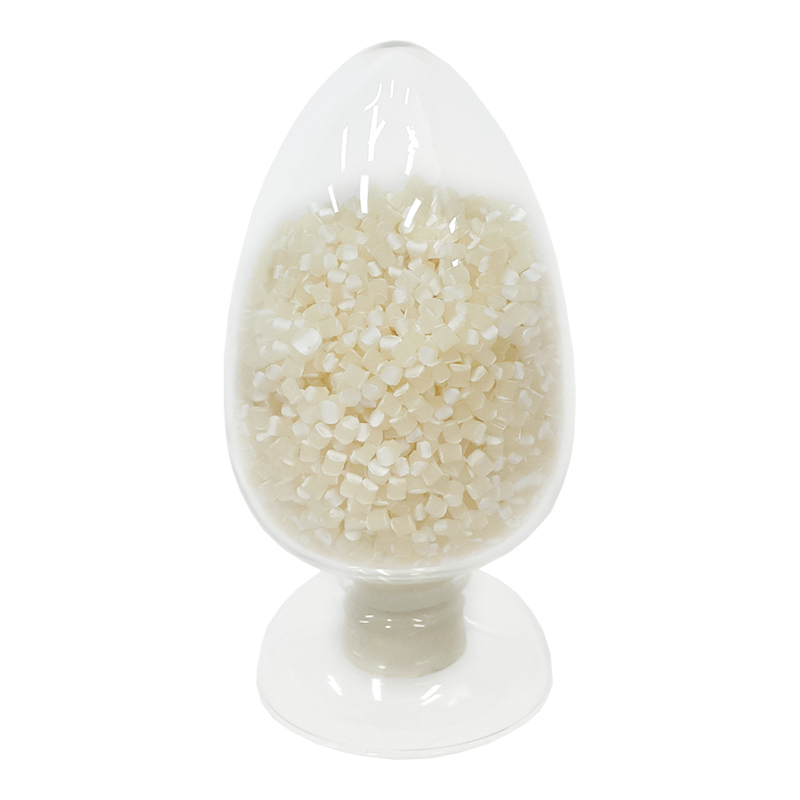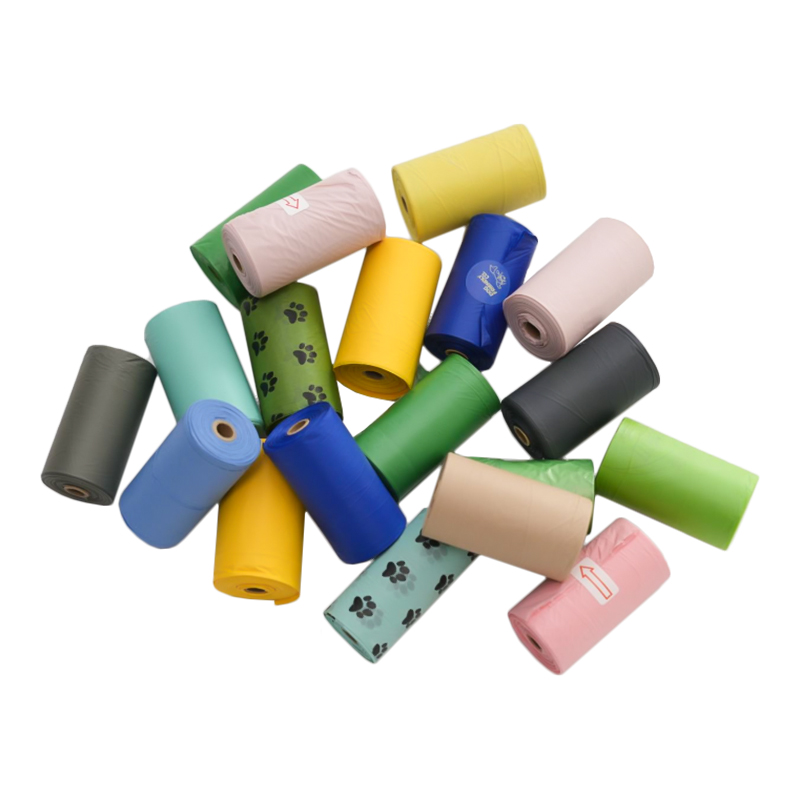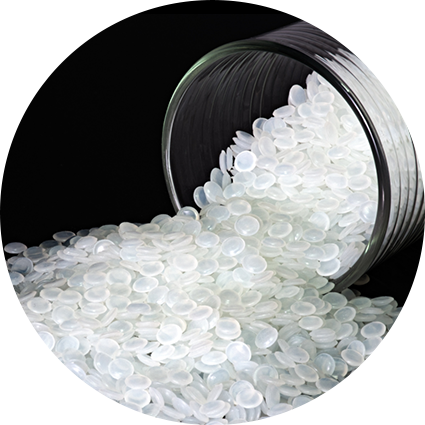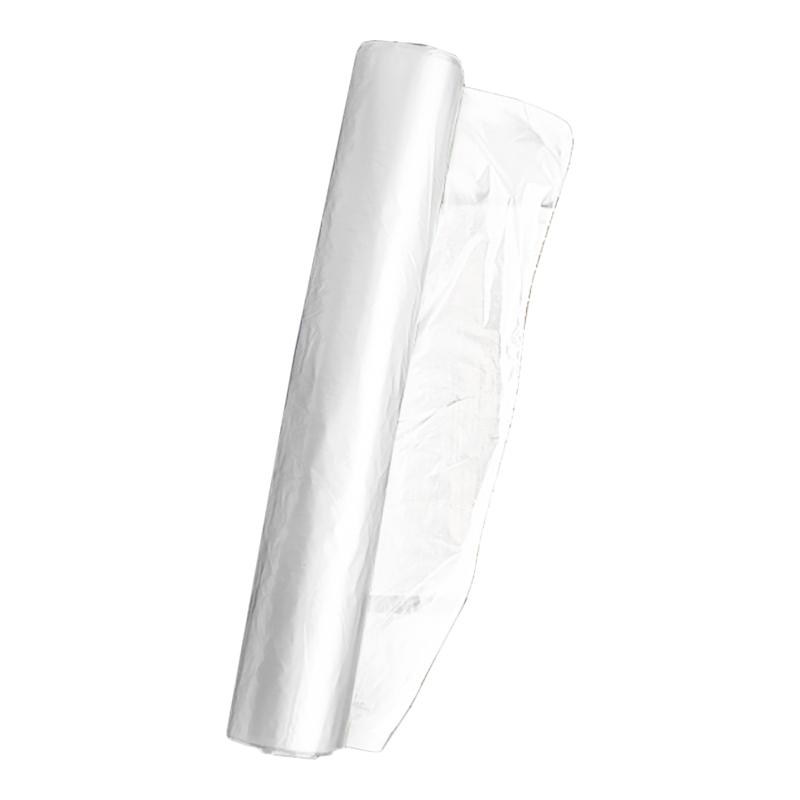

Modern manufacturing, structural engineering, packaging, and consumer goods rely heavily on synthetic polymer resins. These versatile materials provide crucial mechanical strength, moisture barrier properties, and electrical insulation across thousands of daily applications. However, traditional thermosetting and thermoplastic resins present notable environmental challenges. Conventional petro-chemical resins often depend on finite fossil fuel resources, consume substantial energy during thermal processing, and generate persistent plastic waste that resists natural biological degradation.
As environmental regulations tighten and global industries aim to minimize carbon emissions, a fundamental question emerges across material science: is there an eco-friendly version of resin? The answer is complex and multifaceted. Sustainability in polymer chemistry is not defined by a single property, but rather by a combination of material origin, manufacturing energy efficiency, operational longevity, and end-of-life recyclability.
Among the candidates transforming sustainable industrial design, Fatigue-resistant PP+ST polypropylene resin stands out as a highly effective, recyclable, and durable solution. By pairing modified polypropylene architecture with super-tough elastomeric phases, this resin system demonstrates that exceptional mechanical performance can align directly with environmental conservation goals.
The search for sustainable resin systems requires re-evaluating traditional polymer classifications. For decades, industrial production favored high-performance thermosetting polymers such as epoxy, polyester, and phenolic resins. While these cross-linked materials provide elevated thermal resistance and mechanical rigidity, their permanent covalent chemical networks make them virtually impossible to melt down, reprocess, or mechanically recycle at the end of their operational lifespan.
In contrast, eco-friendly resin solutions seek to reduce carbon intensity and waste accumulation through distinct chemical pathways. One path focuses on bio-based feedstocks derived from plant oils, starches, or agricultural residues. Another path focuses on optimizing recyclable thermoplastic systems to extend component lifespans, reduce material mass, and integrate seamlessly into established circular recycling streams.
Determining whether a resin qualifies as eco-friendly requires a comprehensive analysis across its entire life cycle. A truly sustainable polymer matrix must minimize environmental impact across raw material extraction, polymer synthesis, component molding, operational service life, and ultimate disposal or reclamation.
Key criteria for sustainable resins include low carbon footprint during synthesis, reduced volatile organic compound emissions during molding, minimal processing energy requirements, high resistance to structural degradation, and compatibility with mechanical or chemical recycling infrastructure. A material that performs exceptionally well during its functional life while allowing straightforward mechanical recycling after retirement provides a compelling model for sustainable industrial engineering.
Conventional synthetic resins present distinct ecological challenges. Thermosetting epoxy systems, while durable, often rely on aromatic building blocks like bisphenol compounds and require hazardous organic hardeners for cross-linking. Once cured, thermosets can only be downcycled into coarse fillers through mechanical grinding or incinerated for thermal recovery.
Standard commodity thermoplastics, such as un-modified polystyrene or low-density polyethylene, offer melt reprocessability but often lack the mechanical toughness needed for high-stress structural components. This limitation frequently leads to premature mechanical failure, short product lifecycles, and rapid accumulation in municipal waste streams. Consequently, modern polymer engineering focuses on developing advanced modified thermoplastics that offer structural resilience alongside circular recyclability.
Polyolefins, particularly polyethylene and polypropylene, represent one of the most resource-efficient polymer families in industrial chemistry. Formed exclusively from carbon and hydrogen atoms, polyolefins lack complex heteroatoms, heavy metals, or aromatic rings in their fundamental backbones. This clean chemical composition yields materials with low density, chemical inertness, and high intrinsic recyclability.
Innovations in polyolefin modification have expanded these baseline benefits into heavy-duty structural applications. By engineering polymer chain architectures and introducing micro-phase toughening agents, material scientists have created advanced polyolefin resins capable of replacing heavy metal alloys and non-recyclable thermoset composites.
Polypropylene is widely recognized for its versatile physical properties, low mass density, and high chemical resistance. However, standard polypropylene homopolymers exhibit inherent limitations, such as brittle behavior at lower temperatures and sensitivity to severe mechanical shock. To overcome these constraints, specialized formulations integrate super-tough modifications, designated by the ST modifier tag.
Fatigue-resistant PP+ST polypropylene resin represents an advanced grade of modified polypropylene engineered specifically for applications demanding extreme mechanical endurance under continuous cyclic stress. By combining a semi-crystalline polypropylene matrix with finely dispersed elastomeric toughening phases, this resin provides exceptional mechanical durability without sacrificing thermoplastic reprocessability.
The molecular backbone of polypropylene consists of repeating units of propylene monomers, where every second carbon atom carries a methyl side group. In isotactic polypropylene, these methyl groups align regularly along one side of the polymer chain, promoting dense crystalline folding during solidifying. This crystalline structure gives polypropylene its stiffness, high melting point, and elevated heat deflection capability.
In Fatigue-resistant PP+ST polypropylene resin, the fundamental isotactic structure is modified through copolymerization or physical blending with compatible elastomeric modifiers. The ST designation signifies super-tough modification, achieved by introducing ethylene-propylene rubber phases or specialized polyolefin elastomers directly into the continuous polypropylene matrix. This multi-phase morphology creates a balanced interplay between rigid crystalline domain blocks and flexible amorphous regions.
The superior physical behavior of Fatigue-resistant PP+ST polypropylene resin stems from its microscopic phase architecture. Under microstructural analysis, the resin displays a dual-phase morphology. The semi-crystalline polypropylene continuous phase provides structural rigidity, tensile strength, and heat resistance, while the finely dispersed elastomeric domains act as internal energy absorbers.
When an external mechanical load is applied, stress concentrations concentrate around these dispersed elastomeric particles. Instead of allowing localized stress to initiate catastrophic crack formation across the crystalline matrix, the rubbery domains promote localized shear yielding and controlled micro-voiding. This mechanism dissipates impact energy across a wide material volume, preventing brittle fracture and preserving structural integrity even under repeated loading cycles.
Mechanical fatigue occurs when a material is subjected to repeated, cyclic loading and unloading forces over time. Even if the applied stress remains far below the ultimate tensile strength of the material, micro-cracks gradually form, propagate, and eventually trigger structural failure.
Fatigue-resistant PP+ST polypropylene resin addresses this failure mode through its unique molecular mobility and phase-separated structure. Under cyclic deformation, the flexible elastomeric phases accommodate physical displacement without breaking primary chemical bonds. Simultaneously, the crystalline matrix maintains overall dimensional geometry. This synergistic combination gives the resin exceptional fatigue endurance, allowing components to withstand millions of continuous flexing cycles without cracking or delaminating.
When evaluating the environmental impact of industrial materials, functional longevity is often overlooked in favor of bio-degradation rates. However, extending the operational service life of a manufactured component represents one of the most effective strategies for conserving natural resources and lowering total lifecycle emissions.
A component manufactured from a highly durable, recyclable resin that performs reliably for decades generates a significantly lower environmental footprint than a bio-degradable or fragile alternative that requires frequent replacement. Fatigue-resistant PP+ST polypropylene resin fulfills this durability-first environmental model by preventing premature mechanical failures across demanding applications.
Every manufactured product carries an embodied environmental cost, which includes raw material extraction, refining, transport, molding energy, and logistical distribution. When a component fails prematurely, that embodied investment is lost, requiring additional raw materials and energy to manufacture a replacement.
By using Fatigue-resistant PP+ST polypropylene resin, engineers can design components with significantly extended service lives. Doubling or tripling the operational life of an industrial crate, automotive shroud, or structural hinge effectively cuts the annual material consumption and embodied carbon footprint of that component in half. Durability acts as a multiplier for overall environmental efficiency.
One of the most notable manifestations of fatigue resistance in polypropylene resins is the concept of the living hinge. A living hinge is a thin flexural bridge connecting two rigid plastic sections, allowing them to bend continuously along a single axis without mechanical mechanical fasteners, pins, or lubrication.
Fatigue-resistant PP+ST polypropylene resin excels in living hinge applications due to its ability to undergo molecular realigning during flexure. When the hinge section is initially bent, the polymer chains align parallel to the direction of flexural stress. This localized molecular orientation dramatic increases tensile strength along the hinge line, allowing the component to open and close hundreds of thousands of times without tearing or exhibiting stress whitening. Integrating living hinges simplifies assembly processes, eliminates multi-material hardware, and streamlines post-use recycling.
In high-stress industrial environments, subtle mechanical vibrations, cyclic pressures, and thermal fluctuations constantly induce internal stress within structural components. In rigid, brittle resins, these cyclic forces lead to sub-surface micro-cracks that grow silently until sudden structural collapse occurs.
The elastomeric inclusions in Fatigue-resistant PP+ST polypropylene resin actively suppress micro-crack propagation. As micro-cracks attempt to advance through the matrix, they encounter the flexible rubbery domains, which blunt the crack tip and redistribute stress forces across surrounding polymer chains. This self-defending energy dissipation ensures high reliability in critical components, preventing environmental pollution caused by fluid leaks, equipment failures, or structural breaks.
Understanding where Fatigue-resistant PP+ST polypropylene resin fits within the broader landscape of industrial materials requires evaluating its mechanical performance, operational thermal limits, processing energy, and end-of-life options relative to other major resin categories.
|
Resin Classification Category |
Fundamental Chemical Architecture |
Primary Mechanical Strength Trait |
Relative Processing Energy Input |
Post-Use Recyclability Profile |
Environmental Impact Strengths |
|---|---|---|---|---|---|
|
Thermosetting Epoxy Resins |
Cross-linked aromatic networks |
High rigidity and static tensile strength |
Elevated thermal cure cycles |
Chemically non-meltable, limited downcycling |
High durability in harsh chemical environments |
|
Standard Commodity Thermoplastics |
Linear semi-crystalline polyolefins |
Moderate flexibility, low structural toughness |
Low thermal melt requirements |
Easily melted and re-extruded mechanically |
Low baseline carbon footprint, high recycling availability |
|
Bio-Based Polyesters |
Plant-derived aliphatic chains |
Moderate tensile strength, higher brittleness |
Moderate processing thermal profiles |
Industrial composting or specialized processing |
Low fossil carbon dependence, carbon neutral origins |
|
Fatigue-Resistant PP+ST Polypropylene |
Toughened polyolefin copolymer matrix |
High fatigue endurance, superior impact resistance |
Low melt temperatures, rapid cycle processing |
Fully reprocessable in standard polyolefin streams |
Extended product lifecycle, zero-waste reprocessability |
As highlighted in the matrix above, distinct resin classes cater to specific performance demands. Thermosetting epoxies excel in rigid structural applications requiring resistance to extreme heat, yet their non-recyclable chemical network poses long-term waste disposal challenges.
Bio-based polyesters such as polylactic acid offer reduced reliance on fossil hydrocarbons, making them ideal for short-life packaging. However, their lower thermal deflection thresholds and susceptibility to moisture-induced hydrolysis limit their utility in high-stress, long-cycle industrial environments.
Fatigue-resistant PP+ST polypropylene resin bridges this gap by combining the processing ease and full mechanical recyclability of polyolefins with structural toughness and fatigue endurance that rivals traditional engineered materials.
Energy consumption during component manufacturing plays a major role in overall life cycle carbon accounting. Converting raw resin granules into finished parts requires thermal energy to melt the polymer, hydraulic power to inject or extrude the material, and cooling systems to solidify the final shape.
Polypropylene resins melt at lower processing temperatures relative to engineering polymers such as polyamides or polycarbonates. The lower melt temperature of Fatigue-resistant PP+ST polypropylene resin reduces the thermal energy input required per molding cycle. Furthermore, because it contains no cross-linked networks, scrap material, sprues, and runners produced during molding can be immediately reground and reintroduced into the manufacturing process, achieving near-zero material waste on the factory floor.
Conducting a holistic life cycle assessment involves tracking environmental metrics from raw material extraction through synthesis, conversion, use, and end-of-life processing. Evaluating Fatigue-resistant PP+ST polypropylene resin under life cycle methodologies highlights several environmental benefits across each stage.
Traditionally, propylene monomer is derived from steam cracking naphtha or natural gas liquids obtained during fossil fuel refining. While conventional polypropylene is fossil-derived, the chemical industry has pioneered bio-attributed and mass-balanced polypropylene production pathways.
In bio-attributed models, renewable feedstocks such as used cooking oils, tall oil from paper manufacturing, and agricultural residues are introduced into the steam cracker alongside traditional feedstocks. The resulting propylene monomer is chemically identical to conventional propylene, allowing the production of bio-attributed Fatigue-resistant PP+ST polypropylene resin without altering its physical properties, toughness, or fatigue resistance. This seamless drop-in capability allows manufacturers to lower embodied carbon while maintaining high performance.
The thermal efficiency of polymer conversion is a critical factor in manufacturing plant sustainability. Injection molding and extrusion of polyolefins consume significantly less electrical power per mass unit processed compared to high-temperature engineering plastics.
Because Fatigue-resistant PP+ST polypropylene resin exhibits high melt flow mobility even when heavily toughened, it can be processed at optimized melt temperatures and lower injection pressures. This fluid mobility allows molders to reduce cycle times, lower machine heating power, and decrease overall carbon emissions associated with processing facility operations.
A major advantage of Fatigue-resistant PP+ST polypropylene resin lies in its complete compatibility with standard polyolefin mechanical recycling streams. Unlike multi-material composites or cross-linked thermosets, components made from modified polypropylene can be shredded, washed, melted, and re-pelletized using standard recycling equipment.
In closed-loop industrial ecosystems, post-industrial scrap and retired components made from PP+ST resin can be recovered and blended with virgin material to manufacture new structural parts. The inherent thermal stability of polypropylene ensures that the resin retains a substantial portion of its mechanical toughness and fatigue resistance across multiple recycling generations, keeping valuable polymers in productive use and out of landfills.
The combination of low density, chemical resistance, exceptional impact strength, and cyclic fatigue endurance makes Fatigue-resistant PP+ST polypropylene resin a preferred material choice across diverse industrial sectors.
The automotive industry relies heavily on lightweight materials to improve fuel economy and extend battery range in electric vehicles. Replacing dense metal alloys or heavy composite structures with toughened polyolefin resins yields immediate mass reduction benefits.
In vehicle assembly, Fatigue-resistant PP+ST polypropylene resin is widely utilized for under-hood protective shrouds, wheel arch liners, interior door panel structures, and flexible splash guards. These components are subjected to constant engine vibration, road debris impacts, and wide temperature swings. The high fatigue resistance of PP+ST resin prevents stress cracking caused by long-term structural vibration, while its low density contributes directly to overall vehicle energy efficiency.
Modern supply chains are shifting away from single-use corrugated cardboard and fragile wooden pallets in favor of durable, reusable plastic packaging systems. Industrial returnable crates, foldable logistics containers, and heavy-duty storage totes must endure rigorous handling, heavy stacking loads, and thousands of expansion cycles.
Containers molded from Fatigue-resistant PP+ST polypropylene resin withstand severe drops, impact stresses from forklift handling, and continuous flexing of integral living hinges and folding sidewalls. The high impact strength of the ST modifier ensures that containers remain intact even in sub-zero cold storage conditions, preventing cargo damage and eliminating premature container disposal.
Consumer products require materials that combine safety, aesthetic appeal, tactile quality, and physical durability. Polypropylene is intrinsically non-toxic, free from plasticizers like phthalates, and compliant with food contact regulations.
Fatigue-resistant PP+ST polypropylene resin is extensively used to produce high-cycle flip-top closures for personal care bottles, sports water bottle caps, and reusable food storage containers. In medical applications, the resin is molded into durable diagnostic housings, flexible tube connectors, and sterilizable tray assemblies. The material withstands repeated autoclave thermal sterilization and chemical exposure without losing structural integrity or developing stress cracks along flexural joints.
The construction industry increasingly integrates high-performance polymers into building infrastructure to resist moisture rot, chemical corrosion, and structural decay.
In building applications, Fatigue-resistant PP+ST polypropylene resin is used to produce flexible expansion joint profiles, under-slab moisture barrier clips, drainage cell matrices, and protective conduit wraps. These components endure continuous structural movement, soil shifting, and cyclic thermal expansion without fracturing. Their resistance to ground-water acids and soil alkalis ensures long-term performance, protecting building foundations for decades without requiring maintenance or replacement.
While Fatigue-resistant PP+ST polypropylene resin offers significant performance and environmental benefits, optimizing its performance requires addressing specific technical challenges inherent to polyolefin chemistry.
Un-stabilized polypropylene is sensitive to solar ultraviolet radiation and atmospheric oxygen. Prolonged exposure to sunlight can initiate photo-oxidative degradation, breaking polymer chains, causing surface chalking, and reducing impact strength.
To maintain environmental sustainability, physical protection against solar degradation must avoid hazardous chemical additives. Modern formulations of Fatigue-resistant PP+ST polypropylene resin utilize eco-friendly hindered amine light stabilizers and non-toxic phenolic antioxidants. These stabilizer packages absorb ultraviolet energy and neutralize free radicals within the polymer matrix, extending the outdoor service life of components without contaminating recycling streams or posing toxicity risks during end-of-life processing.
Standard polypropylene homopolymers undergo a glass transition at temperatures near freezing, causing them to transition from a tough, ductile state into a brittle state susceptible to impact cracking.
The ST modification in Fatigue-resistant PP+ST polypropylene resin explicitly solves this low-temperature limitation. The dispersed elastomeric rubber phase retains its flexible, ductile state well below freezing temperatures. These rubbery domains act as stress relief nodes, absorbing physical impacts and preventing brittle fracture in freezing outdoor environments, cold-chain transport, or winter automotive applications.
Polypropylene is a semi-crystalline polymer, meaning that as molten material cools inside an injection mold, polymer chains pack closely together to form crystalline structures. This crystallization causes volumetric contraction, resulting in higher mold shrinkage compared to amorphous polymers like polycarbonate or ABS.
Managing dimensional stability in precision components molded from Fatigue-resistant PP+ST polypropylene resin requires careful mold design and processing optimization. Utilizing eco-friendly organic nucleating agents accelerates crystallization at higher temperatures, creating smaller, more uniform crystalline domains. This microstructural refinement reduces overall mold shrinkage, minimizes part warpage, shortens cooling times, and improves surface finish.
Selecting the ideal resin for a given product requires balancing engineering performance metrics against environmental objectives and economic feasibility. Engineers and sustainability directors must evaluate several core factors when deciding whether to specify Fatigue-resistant PP+ST polypropylene resin for a new or existing application.
To verify environmental claims, material selection should be guided by quantitative life cycle assessment standards such as ISO 14040 and ISO 14044 methodologies. These frameworks measure environmental impacts across resource depletion, global warming potential, acidification, and water consumption.
Comparative carbon accounting consistently demonstrates that lightweight, highly durable polyolefins like Fatigue-resistant PP+ST polypropylene resin achieve lower cumulative carbon intensity over long product lifespans compared to short-lived alternatives or heavier metals requiring energy-intensive smelting. Specifying materials backed by verified life cycle data ensures genuine environmental accountability.
An eco-friendly resin must align with existing municipal and industrial recycling infrastructure. Materials that require specialized, hard-to-find recycling facilities often end up in landfills despite being theoretical recyclable.
Polypropylene is assigned plastic identification resin code number five, placing it among the most widely sorted and mechanically recycled polymers globally. Modern automated sorting facilities utilize near-infrared spectroscopy to instantly identify and separate polypropylene components from mixed waste streams. Choosing Fatigue-resistant PP+ST polypropylene resin ensures that retired components can seamlessly enter established commercial recycling networks worldwide.
Environmental solutions must be economically viable to achieve widespread adoption across global supply chains. Materials that carry high cost premiums or require complex manufacturing overhauls often struggle to scale beyond niche markets.
Fatigue-resistant PP+ST polypropylene resin offers a cost-effective material profile paired with excellent drop-in compatibility. It can be processed on conventional injection molding machines, extruders, and blow molding equipment without requiring specialized tooling or expensive machine retrofits. Its combination of low raw material cost, rapid molding cycles, reduced part weight, and total end-of-life recyclability provides a compelling economic and environmental business case for modern sustainable manufacturing.




+86 18101032584
No. 60-1, Jichuan East Road, HailingIndustrial Park, Hailing District, Taizhou City.


Copyright© Taizhou Huangyan Zeyu New Material Technology Co., Ltd. All Rights Reserved.
 Custom Fully Degradable Raw Material Manufacturers


 English
 Français
 Español
 Deutsch
 italiano