
Modern industrial supply chains and consumer packaging sectors rely heavily on synthetic polymers derived from fossil fuel resources. While traditional petrochemical plastics offer mechanical resilience, low physical mass, and barrier efficiency, their persistence in ecological systems creates severe environmental challenges. Synthetic polymers resist natural biological decomposition, accumulating in terrestrial environments and aquatic ecosystems for centuries. As regulatory frameworks tighten and global focus turns toward environmental stewardship, replacing persistent synthetic polymers with sustainable materials has become a central priority for materials scientists and packaging engineers.
Evaluating viable material alternatives requires analyzing their raw resource origins, structural integrity, moisture barrier capability, mechanical strength, and degradation behavior. Sustainable substitutes must fulfill operational performance standards while ensuring that their end of life processing aligns with natural ecological cycles. Five prominent material categories serve as viable alternatives to synthetic plastics across commercial packaging, agricultural films, structural containers, and single use items: bioplastics and compostable polymers, cellulose and molded plant fibers, glass and silica matrix materials, natural plant textiles, and fungal mycelium bio composites.
Evaluating sustainable alternatives requires understanding the chemical and physical characteristics that make petroleum based synthetic plastics environmentally problematic. Conventional polymers such as polyethylene, polypropylene, and polyethylene terephthalate are synthesized through polymerizing monomer units derived from refined crude oil or natural gas.
The carbon to carbon backbone chains present in synthetic polymers possess high chemical bond energy. Natural enzymatic systems developed by bacteria, fungi, and micro organisms lack the functional capacity to cleave these synthetic long chain polymer bonds efficiently. As a result, when synthetic plastics escape controlled waste processing streams, they undergo physical fragmentation rather than chemical biodegradation. Environmental exposure to solar ultraviolet radiation, mechanical wave action, and thermal oxidation breaks macroscopic plastic items into fine microplastic particles.
These microscopic polymer fragments persist indefinitely in marine and soil environments. Microplastics adsorb hydrophobic chemical pollutants from surrounding waters and enter biological food webs, accumulating within marine organisms and soil micro ecosystems. The structural permanence of synthetic polymers highlights the necessity of adopting materials engineered to integrate into existing biological pathways without generating toxic chemical residues or persistent particulate fragments.
Transitioning to sustainable alternatives involves establishing closed loop material cycles. Linear material flows follow an extraction, conversion, utilization, and disposal pathway, resulting in massive solid waste accumulation. Sustainable material design prioritizes circularity, ensuring that raw material inputs originate from renewable biological sources or infinitely recyclable mineral deposits.
Furthermore, degradation pathways must align with natural biological processing environments. True biological degradation involves micro organisms utilizing the material as an organic carbon source, converting the chemical structure into water, carbon dioxide, biomaterial biomass, and natural mineral salts. Materials engineered for biological circularity return their constituent elements back to ecological nutrient cycles, minimizing environmental footprints and eliminating long term landfill burdens.
Bioplastics represent a broad category of polymers derived from renewable biological biomass sources such as vegetable fats, corn starch, sugarcane, straw, woodchips, and agricultural byproduct streams. Unlike petroleum derived polymers, bio based plastics utilize atmospheric carbon dioxide captured via plant photosynthesis during raw material growth, reducing net carbon emission profiles across the material lifecycle.
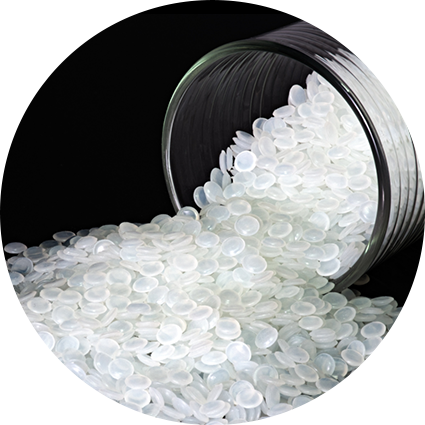
Polylactic acid stands as one of the most widely processed bio based aliphatic polyesters. Its production initiates with fermenting plant derived sugar carbohydrates, such as dextrose extracted from corn or sugarcane, using lactic acid bacteria. The resulting lactic acid monomer undergoes condensation and ring opening polymerization to form polylactic acid chains. Polylactic acid displays mechanical properties comparable to polystyrene and polyethylene terephthalate, offering high tensile strength, clear optical transparency, and high flexural stiffness.
Polyhydroxyalkanoates represent another critical class of bio based polymers synthesized directly by microbial fermentation. Bacterial cultures store polyhydroxyalkanoates as intracellular energy reserves when exposed to excess carbon sources combined with nutrient limitations such as nitrogen or phosphorus restrictions. Because polyhydroxyalkanoates are synthesized inside living bacterial cells, their molecular architecture renders them inherently recognized by environmental micro organisms. Consequently, polyhydroxyalkanoates degrade naturally in soil, marine waters, and freshwater environments without requiring high temperature industrial processing.
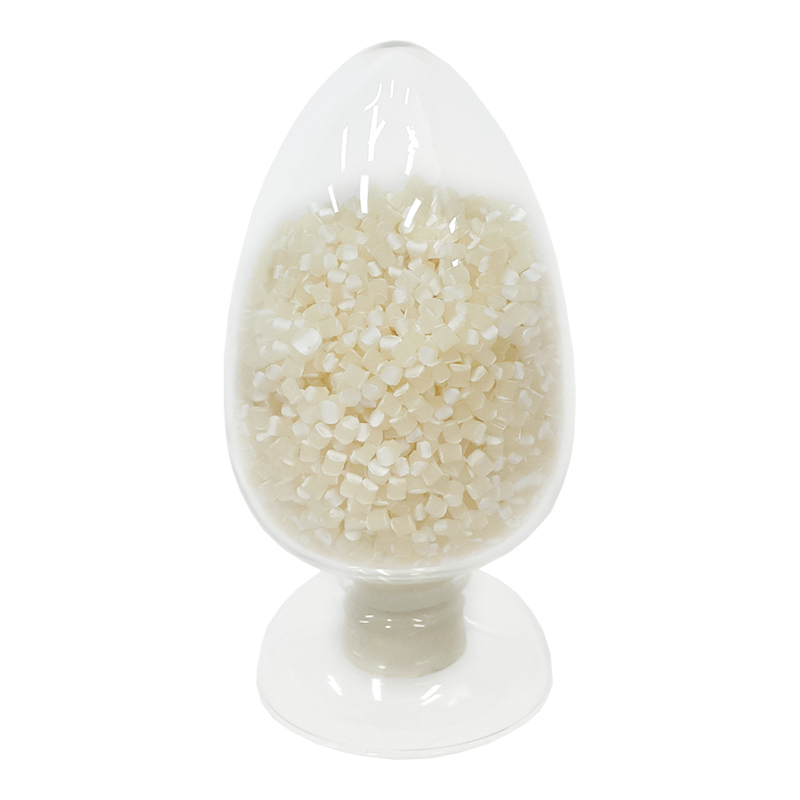
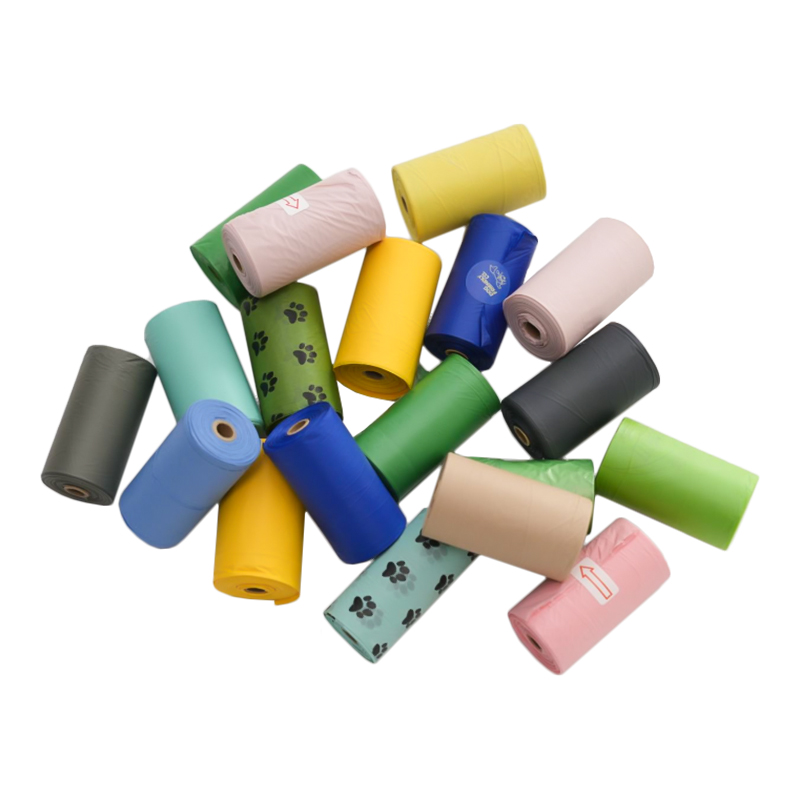
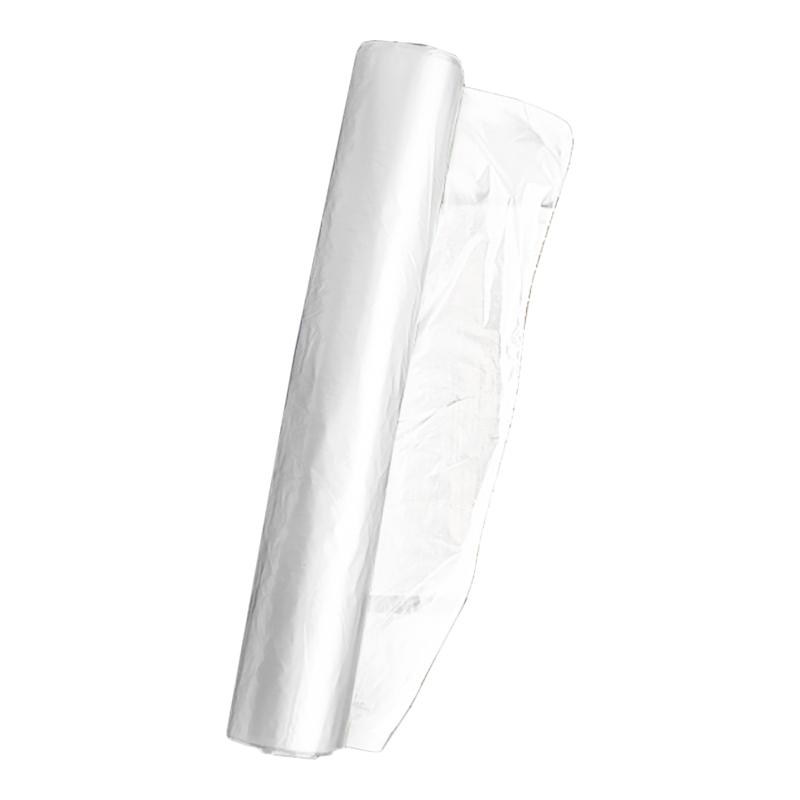
One of the most impactful applications of bio based polymers is replacing conventional high density polyethylene carrier bags with Fully Biodegradable Eco Friendly Bags. These advanced flexible film products are manufactured by blending thermoplastic starch, polylactic acid, and polybutylene adipate terephthalate to achieve balanced tensile strength, high tear resistance, and optimal film flexibility.
Fully Biodegradable Eco Friendly Bags demonstrate robust mechanical performance during retail transport, food collection, and organic waste management. Unlike conventional synthetic carrier films that persist in ecosystems for generations, these organic starch blends allow micro organisms to digest the film matrix efficiently. When integrated into municipal organic waste streams, Fully Biodegradable Eco Friendly Bags decompose in industrial composting facilities within weeks, yielding high quality nutrient rich compost without releasing toxic chemical residues or microplastic fragments.
Furthermore, advanced extrusion blown film lines enable manufacturers to adjust film thickness, puncture resistance, and printability without altering the fundamental biodegradability profile. Utilizing Fully Biodegradable Eco Friendly Bags for retail packaging, agricultural mulch film, organic waste collection sacks, and lightweight produce bags drastically reduces reliance on fossil fuel resources while establishing a viable end of life solution through composting.
The degradation of plant derived bioplastics relies on specific environmental parameters including moisture, elevated temperatures, and microbial activity levels. Polylactic acid, for instance, exhibits high structural stability under ambient storage conditions but degrades rapidly within commercial composting systems.
Industrial composting facilities maintain elevated temperatures typically between fifty five and sixty five degrees Celsius alongside high relative humidity levels above fifty percent. Under these conditions, water molecules penetrate the polylactic acid polymer chains, initiating chemical hydrolysis that cleaves long polymer backbones into low molecular weight lactic acid oligomers. Micro organisms present in the compost then absorb these oligomers, metabolizing them into carbon dioxide, water, and organic biomass. In natural soil environments, materials such as polyhydroxyalkanoates degrade smoothly across ambient temperature ranges, providing safe breakdown pathways for agricultural films and outdoor carrier applications.
Cellulose represents the most abundant natural organic polymer on Earth, forming the primary structural cell wall component in green plants, trees, cotton, and agricultural crops. Utilizing cellulose fibers as structural substitutes for synthetic plastics leverages renewable forestry practices and agricultural waste streams.
Cellulose consists of a linear chain of D glucose units linked through beta one four glycosidic bonds. Multiple parallel cellulose chains organize into tight microfibrils bound together by strong hydrogen bonding networks. This hierarchical fibrillar structure grants natural cellulose exceptional tensile strength, thermal resistance, and structural rigidity.
To extract cellulose fibers for packaging production, plant materials undergo chemical or mechanical pulping processes. Kraft pulping treats wood chips or agricultural straw with sodium hydroxide and sodium sulfide solutions to dissolve lignin, an amorphous binding polymer, leaving purified cellulose fibers. The resulting virgin or recycled cellulose pulp can be suspended in aqueous slurries and reassembled into dense structural materials, flexible paper sheets, or three dimensional molded fiber products.
Molded pulp technology serves as a direct functional replacement for expanded polystyrene foam inserts, thermoformed plastic trays, and synthetic protective packaging. The manufacturing process involves immersing porous wire mesh molds into an aqueous slurry of recycled paper fibers or agricultural crop residues such as sugarcane bagasse and wheat straw.
Vacuum suction draws the cellulose fibers onto the mold surface, forming a dense, intertwined fiber mat. The wet preform is subsequently transferred to heated pressing dies that dry and compress the fibers under high mechanical force, producing precise three dimensional packaging components. Molded fiber trays, structural electronic enclosures, egg cartons, and protective corner guards display structural rigidity, high impact energy absorption, and thermal insulation capabilities without relying on synthetic expanding agents.
A historical limitation of hydrophilic cellulose materials is their natural affinity for water and liquid absorption. Uncoated paper and fiber board absorb moisture, leading to structural softening, loss of tensile strength, and reduced barrier protection against gases.
To overcome these performance limits without compromising environmental sustainability, packaging engineers apply bio based barrier coatings to cellulose substrates. Formulations utilizing microfibrillated cellulose, natural beeswax, chitosan extracted from shellfish waste, or thin polylactic acid barrier layers are applied to paper surfaces via roll coating or spray deposition. These natural barrier treatments restrict water vapor diffusion and oil penetration, enabling molded fiber containers and paper packaging to hold liquids, oils, and fresh foods while preserving the biological breakdown capability of the underlying cellulose.
Glass is a inorganic, non metallic material produced by fusing silica sand, sodium carbonate, and limestone at temperatures exceeding fifteen hundred degrees Celsius. As a container material, glass provides a complete physical and chemical substitute for rigid plastic bottles, jars, and liquid storage vessels.
The atomic structure of glass consists of an amorphous network of silicon dioxide tetrahedrons bonded continuously with network modifying ions. This fully oxidized inorganic matrix makes glass chemically inert, meaning it does not react with stored liquids, food products, or aggressive chemical compounds.
Unlike certain synthetic plastics that can leach low molecular weight plasticizer additives, monomer residues, or micro particles into sensitive contents, glass maintains zero chemical migration. It provides an impermeable physical barrier against oxygen, carbon dioxide, moisture, and biological contaminants. This total gas opacity preserves food flavor profiles, shelf life stability, and pharmaceutical potency without requiring complex multilayer synthetic barrier coatings.
Glass offers exceptional material circularity due to its infinite thermal recyclability. When glass bottles and jars are collected through municipal waste channels, they are crushed into uniform particles known as cullet.
Cullet is mixed directly with raw silica sand and melted inside high temperature glass furnaces. Adding recycled cullet lowers the overall melting temperature of the batch, significantly reducing energy consumption and greenhouse gas emissions during glass bottle manufacturing. Crucially, glass can undergo repeated remelting and reforming cycles indefinitely without experiencing degradation in its physical structure, mechanical strength, or purity.
Furthermore, rigid glass containers excel in closed loop reusable packaging networks. Glass bottles feature smooth non porous surfaces capable of withstanding industrial washing, high temperature steam sterilization, and caustic chemical sanitization without degrading. Reusing a single glass container dozens of times over its operational life dramatically amortizes its initial manufacturing energy expenditure.
Glass serves as an ideal material choice across demanding food storage, beverage bottling, pharmaceutical packaging, and laboratory chemical containment. Liquid dairy products, fruit juices, carbonated beverages, preserved vegetables, and hot filled sauces utilize glass jars and bottles to prevent oxygen ingress and maintain internal vacuum seals.
In medical and laboratory settings, glass ampoules, vials, and reagent bottles store sensitive pharmaceuticals, biological reagents, and pure solvents. The thermal resistance of glass allows containers to undergo autoclave heat sterilization cycles at elevated temperatures, ensuring sterile packaging conditions that synthetic plastics often cannot match without thermal distortion.
Natural plant fibers derived from crops such as jute, hemp, flax linen, and organic cotton offer high mechanical strength, structural flexibility, and long term durability. Woven textiles made from these natural fibers replace flexible synthetic film wraps, woven polypropylene sacks, and disposable plastic shopping carriers.
Bast fibers extracted from the inner bark of jute, hemp, and flax stems possess exceptionally high tensile strength and young modulus values. These plant fibers contain high proportions of aligned cellulose microfibrils embedded within a natural matrix of hemicellulose and lignin.
Jute fibers, often referred to as the golden fiber, are coarse, strong, and highly resistant to mechanical tearing. Hemp fibers display exceptional tensile resistance, natural antimicrobial resistance, and high structural stability under heavy mechanical loads. Cotton fibers, derived from the seed hair of the gossypium plant, provide softer tactile properties, high structural flexibility, and high liquid absorption capacity. Processing these natural fibers through traditional spinning and industrial weaving looms yields dense, heavy duty fabrics capable of bearing high static and dynamic weight loads.
Woven plant textiles serve as optimal materials for manufacturing reusable retail shopping bags, agricultural crop sacks, bulk transportation containers, and durable home storage totes. Replacing single use plastic bags with heavy duty jute or organic cotton totes eliminates thousands of disposable plastic units from waste streams over a single bag lifespan.
In agricultural logistics, woven jute and hemp sacks store and transport dry bulk goods such as coffee beans, cocoa, grains, nuts, and potatoes. The natural breathability of woven plant fabrics allows air circulation through the container, preventing moisture accumulation, condensation buildup, and subsequent fungal growth during transit. In contrast, non breathable synthetic plastic sacks trap internal moisture, requiring artificial ventilation or chemical preservatives to maintain food storage stability.
Natural plant textiles display high mechanical durability across extended usage cycles. Woven cotton and hemp fabrics can undergo repeated machine washing and thermal drying without suffering structural degradation or fiber breakdown.
Laundering natural fabric bags removes dirt, food residues, and surface bacteria, restoring hygienic conditions for continued food transport. At the end of their operational lifecycle, unbleached and untreated natural plant textiles can be shredded and returned to natural soil environments or industrial composting operations, where soil micro organisms degrade the cellulose fibers into rich organic humus within months.
Fungal mycelium represents a emerging class of structural bio composite materials that utilize the natural vegetative growth of fungi to bind agricultural byproduct fibers into functional foam and board structures. Mycelium materials serve as direct replacements for synthetic plastic shock absorbing foams, protective packaging inserts, and thermal insulation panels.
Mycelium is the intricate underground network of filamentous fungal hyphae that forms the vegetative body of mushrooms. To manufacture a mycelium composite, technicians inoculate agricultural waste substrates such as corn stalks, hemp hurdles, sawdust, or cotton seed hulls with specific fungal species such as ganoderma or pleurotus.
The mixture is packed into custom shaped molds and maintained in dark, temperature controlled growth chambers with precise relative humidity levels. Over a five to nine day growth cycle, the fungal hyphae digest the natural sugars within the agricultural fibers, branching continuously to form a dense, three dimensional biological mesh. This growing hyphae network acts as a powerful natural adhesive, binding the discrete crop particles into a solid structural composite that matches the precise internal geometry of the mold cavity.
Once the fungal mycelium completely fills the mold cavity, the material is removed and subjected to thermal drying processes. Elevating the temperature past sixty degrees Celsius deactivates the fungus, halting further biological growth and drying the composite to establish structural stability.
The resulting dried mycelium bio composite exhibits low physical density, high impact absorption capacity, and high acoustic insulation properties comparable to synthetic expanded polystyrene foam. The cellular structure of the fungal hyphae network matrix deforms under impact stress, dissipating kinetic energy safely away from enclosed fragile items. Mycelium protective inserts are extensively deployed to cushion electronics, glassware, cosmetic bottles, and heavy machinery parts during transit.
A key performance attribute of mycelium bio composites is their rapid breakdown capability when discarded into natural outdoor environments. Unlike synthetic plastic foams that break into persistent microplastic debris, mycelium composites consist purely of natural chitin fungal cell walls and lignocellulose plant fibers.
When placed in garden soil, home compost bins, or natural forest environments, soil fungi, bacteria, and earthworms readily consume the nutrient rich composite. The material breaks down fully within thirty to ninety days, enriching the surrounding soil substrate with natural organic matter and beneficial micro organisms.
Selecting an appropriate eco friendly alternative to plastic requires matching material properties to specific packaging formats, structural demands, and environmental exposure conditions. The qualitative matrix below details primary structural attributes across the five sustainable material classifications.
Transitioning from traditional synthetic plastics to sustainable alternatives requires careful engineering evaluation to ensure functional packaging performance remains uncompromised.
Every packaging format must endure mechanical stress throughout handling, stacking, transportation, and retail storage operations. Evaluating tensile strength, tear propagation resistance, and flexural modulus ensures that alternative materials carry target payloads reliably.
For flexible film applications, utilizing Fully Biodegradable Eco Friendly Bags formulated with balanced polylactic acid and polybutylene adipate terephthalate blends ensures high tensile load capacity combined with puncture resistance. For rigid structural applications, molded fiber containers and mycelium blocks must provide vertical column crush resistance to support stacked pallets in commercial distribution warehouses.
Maintaining food freshness, product quality, and shelf life stability depends directly on barrier control against water vapor diffusion, oxygen ingress, and volatile aroma loss. Synthetic plastics historically dominated packaging markets due to their low gas transmission rates.
When implementing sustainable alternatives, packaging designers select materials based on specific barrier demands. Dry food products require oxygen barrier protection provided by cellulose matrices coated with bio based polylactic acid layers. Liquid food products and sensitive pharmaceutical liquids rely on the absolute gas opacity of glass containers. Matching the barrier profile of alternative materials to the preservation requirements of the product prevents premature food spoilage and minimizes waste generation.
A critical aspect of selecting eco friendly plastic alternatives is verifying that chosen materials align with existing regional waste management infrastructures. Deploying advanced compostable materials yields limited environmental benefit if local waste management systems lack industrial composting access or organic waste collection streams.
Materials should be selected to match available processing routes:
Industrial Composting Alignment: Polylactic acid and heavy bio plastic films require municipal organic waste collection channels that route materials to high temperature industrial compost facilities.
Home Composting and Soil Breakdown Alignment: Molded fiber trays, untreated paper bags, natural jute fabrics, and fungal mycelium composites degrade smoothly in back yard home compost piles and natural soil environments without requiring elevated thermal processing.
Closed Loop Mechanical Recycling Alignment: Glass containers and dense paper board products integrate cleanly into established municipal curbside collection programs, feeding directly into closed loop thermal remelting and paper re pulping mills.
Aligning material selection with verified regional processing routes guarantees that alternative packaging products fulfill their environmental promise, achieving complete biological degradation or infinite thermal recycling without creating persistent ecological waste burdens.




+86 18101032584
No. 60-1, Jichuan East Road, HailingIndustrial Park, Hailing District, Taizhou City.


Copyright© Taizhou Huangyan Zeyu New Material Technology Co., Ltd. All Rights Reserved.
 Custom Fully Degradable Raw Material Manufacturers


 English
 Français
 Español
 Deutsch
 italiano