
Resins represent one of the most versatile categories of materials in modern manufacturing, art, construction, and engineering. From structural adhesives holding commercial aircraft together to crystal clear coatings applied on handcrafted wooden tables, these substances provide essential binding, protective, and mechanical properties. At their chemical core, resins consist of monomeric or oligomeric compounds capable of forming high molecular weight polymer networks through physical cooling or chemical reaction processes.
Understanding the specific categories of resins is critical for engineers, product designers, artisans, and sustainability managers. Selecting the incorrect resin class can lead to structural failure, environmental non-compliance, or excessive material costs. Historically, resins were categorized primarily by their physical behavior when exposed to elevated temperatures. However, modern materials science and environmental regulations have expanded this classification framework to address both thermal processing traits and carbon origin.
The three primary types of resin used in modern production and industrial design are Thermosetting Resins, Thermoplastic Resins, and Bio-Based Environmentally Friendly Resin. Each type displays distinct molecular arrangements, processing methods, physical characteristics, and ecological footprints. Examining these three categories in detail reveals how synthetic chemistry and renewable feedstocks combine to serve global industrial demands.
To understand why resins behave differently under stress, heat, and chemical exposure, one must examine their underlying polymeric architecture. A resin begins as a viscous fluid or semi-solid compound composed of low molecular weight chains. Through specific physical or chemical treatments, these small molecules link together to form extended polymeric networks.
The primary mechanism dividing resins into distinct functional classes involves the presence or absence of covalent cross-links between adjacent molecular chains. When molecules form primary chemical bonds across parallel chains, they create a permanent three-dimensional web. This web restricts chain movement even under high thermal stress. Conversely, when molecular chains are held together only by secondary intermolecular forces such as hydrogen bonding or van der Waals interactions, the chains can slide past one another when thermal energy increases.
Additionally, the source of raw materials plays a pivotal role in modern polymer classification. Traditional synthetic resins rely heavily on petroleum-derived hydrocarbons extracted through fossil fuel refining. Modern innovations have enabled the synthesis of high-performance polymer matrices derived from plant oils, agricultural residues, and biological starches. Evaluating resins requires looking not only at physical phase transitions, but also at renewable content and lifecycle impacts.
Thermosetting resins, frequently referred to simply as thermosets, are polymer materials that undergo an irreversible chemical curing process to transition from a liquid or malleable state into a rigid solid. Once cured, a thermosetting resin forms a permanent chemical network that cannot be melted or reshaped through heating. Exposing a cured thermoset to excessive heat results in chemical thermal degradation and charring rather than flow or liquefaction.
The defining characteristic of thermosetting resins lies in their irreversible curing reaction. During liquid processing, a base resin compound mixes with a hardener, catalyst, or curing agent. Heat, ultraviolet radiation, or chemical catalysts initiate an exothermic reaction where reactive functional groups across different polymer chains create strong covalent cross-links.
This transformation converts an ensemble of independent molecular chains into a single macromolecular matrix spanning the entire cured object. Because these covalent bonds require substantial thermal energy to break, the physical structure remains dimensionally stable across wide temperature variations. The dense cross-linked network prevents molecular sliding, yielding high mechanical rigidity, elevated heat deflection temperatures, and resistance to chemical dissolution.
Epoxy resins represent one of the most prominent thermosetting materials in high-performance applications. Synthesized typically from epichlorohydrin and bisphenol compounds, epoxies deliver exceptional mechanical strength, minimal shrinkage during cure, excellent moisture barrier properties, and strong adhesion to diverse substrates. They are widely used in structural adhesives, electrical encapsulants, and carbon fiber composite matrices.
Polyester resins offer a cost-effective thermosetting solution for large scale structural molding. Unsaturated polyester resins cure through free radical polymerization when combined with peroxide initiators and styrenic monomers. These resins form the primary matrix material for fiberglass marine hulls, storage tanks, and automotive body panels due to their rapid cure times and lower raw material expenditure.
Vinyl ester resins bridge the performance gap between polyester and epoxy systems. Incorporating an ester backbone with methacrylic end groups, vinyl esters provide elevated chemical corrosion resistance, particularly against acidic environments, while retaining simple processing characteristics similar to polyesters. They are regularly selected for chemical processing piping, marine structures, and industrial ductwork.
Polyurethane thermosetting resins form through the reaction of polyols with multi-functional isocyanates. Adjusting the molecular weight and functionality of these components yields materials ranging from flexible structural elastomers to dense rigid structural foams. Polyurethanes offer high abrasion resistance, toughness, and impact absorption across protective coatings and insulating panels.
Phenolic resins represent one of the oldest synthetic thermosetting polymers, produced by reacting phenol with formaldehyde. Phenolics exhibit exceptional flame resistance, low smoke emissions upon burning, and high thermal retention. Consequently, they serve in high-temperature friction materials, aircraft cabin interior panels, and electrical switchgear housings.
Thermosetting resins dominate sectors requiring structural integrity under severe environmental stress. In the aerospace industry, advanced composites utilizing epoxy matrices reinforced with continuous carbon fibers provide high strength-to-weight ratios essential for modern commercial airframes and rocket motor casings.
In electronic manufacturing, thermosetting epoxies and polyimides serve as potting compounds and printed circuit board substrate materials. Their electrical insulation properties prevent short circuits, while their low coefficient of thermal expansion ensures that delicate microchips remain securely bonded despite operational thermal cycling. Furthermore, marine builders rely heavily on unsaturated polyester and vinyl ester resins to produce durable hull hulls capable of resisting prolonged saltwater immersion and mechanical wave impacts.
The primary advantage of thermosetting resins is their mechanical, thermal, and chemical resilience. They resist deformation under heavy mechanical loads, exhibit minimal long-term creep, and remain inert when exposed to common organic solvents, fuels, and environmental moisture.
However, thermosetting resins present operational challenges. The irreversible nature of covalent cross-linking prevents these materials from being melted, reshaped, or conventionally recycled at the end of their functional lifespan. Crushed thermoset components typically serve only as low-value inert fillers rather than reprocessable raw materials. Additionally, the liquid components prior to curing often emit volatile organic compounds or require careful handling protocols to manage chemical sensitivity risks.
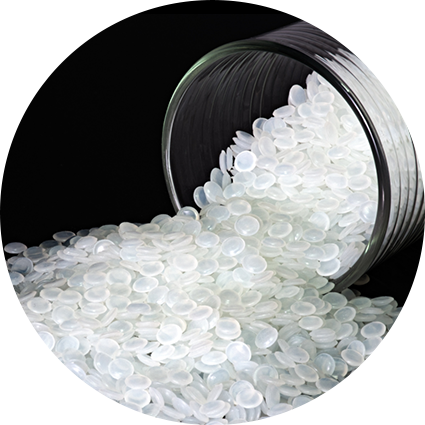
Thermoplastic resins are linear or branched polymers characterized by their ability to repeatedly soften when heated and harden when cooled, without undergoing permanent chemical alterations. Unlike thermosets, thermoplastics rely on physical cooling rather than chemical cross-linking to achieve structural rigidity. This physical transition makes thermoplastics reprocessable and widely utilized in volume manufacturing.
The chemical structure of thermoplastic resins consists of long, individual molecular chains bound together by physical entanglements and weak secondary forces, such as van der Waals attraction or dipole-dipole interactions. When thermal energy is applied, these secondary bonds weaken, allowing individual molecular chains to slide past one another. The material transitions into a melt state that can flow into intricate molds under applied pressure.
Upon cooling, thermal energy dissipates, allowing secondary intermolecular forces to re-engage. The polymer chains lock back into place, solidifying the material into its designated geometry. Because no permanent covalent cross-links form during solidifying, this cycle of heating, flowing, and cooling can be repeated multiple times. However, excessive thermal cycles can eventually induce thermal-oxidative degradation of the polymer backbone.
Acrylic resins, particularly polymethyl methacrylate, are valued for optical clarity, high light transmittance, and weather resistance. Acrylics serve as lightweight, impact-resistant alternatives to inorganic glass in architectural glazing, vehicle lighting assemblies, display screens, and protective barriers.
Polyethylene resins represent the most widely produced thermoplastic category worldwide. Available in low-density, linear low-density, and high-density formulations, polyethylene exhibits high flexibility, moisture resistance, and chemical inertness. Applications range from flexible packaging films and squeeze bottles to heavy-duty piping systems and industrial containers.
Polypropylene resins combine low density with high chemical resistance, flexural fatigue strength, and elevated melting points compared to standard polyethylene. Polypropylene is frequently molded into living hinges, automotive bumper fascia, textile fibers, food packaging containers, and medical devices suitable for autoclave sterilization.
Polycarbonate resins provide exceptionally high impact strength coupled with optical transparency and thermal dimensional stability. Used extensively in safety eyewear, automotive headlight lenses, electronic device enclosures, and bullet-resistant windows, polycarbonate absorbs high mechanical impact energies without shattering.
Polystyrene resins exist in rigid clear crystal forms as well as expanded cellular foam structures. Crystal polystyrene offers high stiffness and transparency for low-cost laboratory disposable items and packaging. Expanded polystyrene provides thermal insulation and cushioning for protective transport packaging and building insulation panels.
Thermoplastic resins adapt readily to continuous and automated manufacturing processes. Injection molding relies on heating thermoplastic granules in a heated barrel and forcing the melt into precision steel molds under high pressure, producing identical high-volume components in short cycle times.
Extrusion processes push melted thermoplastic resin through shaped dies to manufacture continuous profiles, such as hollow pipes, architectural trim, sheet stock, and insulation wire jackets. Blow molding utilizes hollow extruded thermoplastic tubes expanded by air pressure against mold cavities to produce hollow items like beverage containers and industrial tanks. Furthermore, fused deposition modeling, a popular additive manufacturing technique, extrudes heated thermoplastic filaments layer by layer to fabricate customized three-dimensional geometries.
Thermoplastic resins offer high operational throughput, rapid cycle times, and structural toughness. Their ability to undergo plastic deformation allows many thermoplastics to absorb significant mechanical impacts without catastrophic brittle fracture. The capacity to re-melt and re-mold scrap material generated during production reduces raw material waste and aligns with mechanical recycling streams.
Conversely, thermoplastics generally exhibit lower resistance to heat and structural creep compared to thermosetting resins. When subjected to continuous mechanical stress at elevated temperatures, thermoplastic chains can slide, resulting in gradual dimensional deformation over time. Certain thermoplastics are also susceptible to environmental stress cracking when exposed to specific organic solvents or prolonged ultraviolet radiation.
Bio-Based Environmentally Friendly Resin represents a critical evolution in material development, addressing resource depletion and fossil fuel dependency. Unlike conventional synthetic resins derived from petroleum refining, a bio-based environmentally friendly resin utilizes renewable carbon sources derived from biological origins. These resins can be formulated as either thermosetting or thermoplastic systems, offering sustainable options without sacrificing functional performance.
A bio-based environmentally friendly resin is defined by its origin in natural biological matter, such as plant oils, agricultural crops, forest residues, marine biomass, or bio-waste streams. The bio-based content of a resin is quantified by measuring the proportion of renewable carbon relative to total organic carbon using radiocarbon isotope analysis standard methods.
Integrating a bio-based environmentally friendly resin into manufacturing workflows allows industries to reduce the carbon footprint of raw materials. Fossil fuel extraction and refining release ancient carbon into the biosphere, contributing to greenhouse gas accumulation. In contrast, bio-based resins utilize carbon sequestered from the atmosphere by plants during photosynthesis, supporting carbon-neutral or lower-carbon product lifecycles.
Plant-derived triglyceride oils, particularly soybean oil, linseed oil, castor oil, and tall oil, serve as primary starting materials for synthesizing bio-based resins. Through chemical modifications like epoxidation, vegetable oils are converted into reactive bio-epoxies. Epoxidized soybean oil and modified castor polyols serve as reactive matrices for structural adhesives, composite laminates, and bio-based polyurethane foams.
Cashew nutshell liquid, an agricultural byproduct of cashew processing, contains cardanol, a natural phenolic compound with an aliphatic side chain. Cardanol derivatives are used to synthesize bio-based epoxy resins, curing agents, and phenolics. These matrices provide intrinsic hydrophobic qualities, elevated flexibility, and improved chemical resistance due to their long hydrophobic hydrocarbon chains.
Lignin, an abundant aromatic biopolymer obtained as a byproduct of the paper pulping industry, provides a natural plant-based source of aromatic rings. Lignin derivatives replace petroleum-derived phenol in phenolic resin formulations, yielding bio-based resins for structural wood panels, thermal insulation foams, and friction materials.
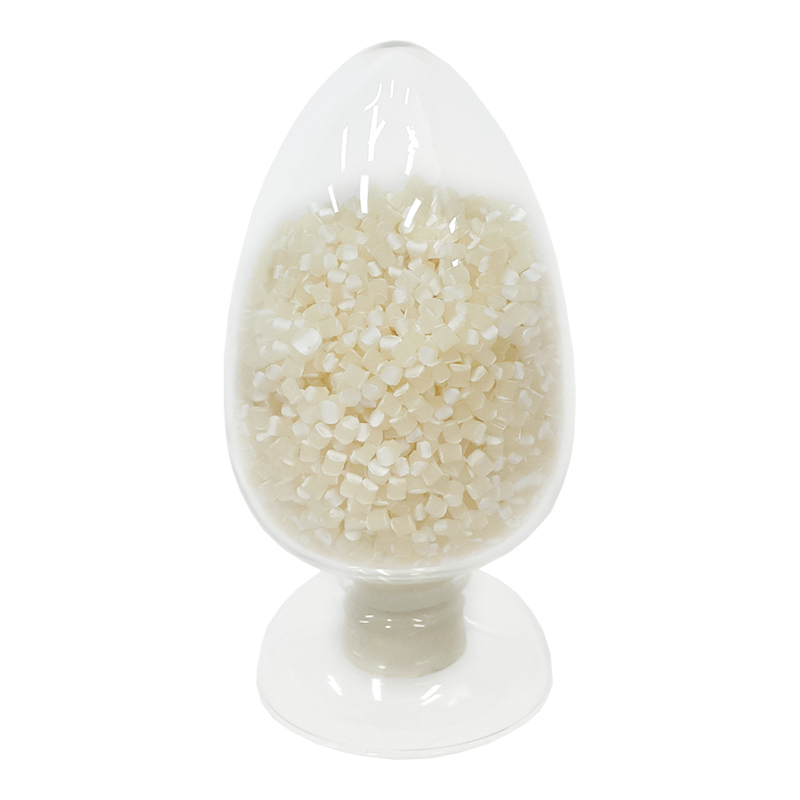
Polylactic acid represents a key bio-based thermoplastic synthesized from fermented plant sugars, primarily derived from corn starch or sugarcane. Bacteria ferment these sugars into lactic acid, which undergoes polymerization into a thermoplastic matrix. Polylactic acid exhibits high tensile strength, clear optical properties, and suitability for thermoforming, injection molding, and 3D printing filaments.
Polyhydroxyalkanoates are natural bio-based polyesters synthesized directly by micro-organisms through bacterial fermentation of lipids or sugars. These bio-based resins show physical behavior similar to polypropylene and polyethylene, while offering full marine and soil biodegradability under natural environmental conditions.
Early formulations of sustainable materials were often viewed as secondary in mechanical strength and thermal stability compared to fossil fuel counterparts. However, advanced bio-based environmentally friendly resin systems match or exceed conventional petro-chemical resins across key technical metrics.
Modern plant based epoxy resin formulations achieve thermal cross-link densities comparable to standard bisphenol-based resins, yielding glass transition temperatures suitable for high-stress applications. The inclusion of natural aromatic structures, like those extracted from cardanol or lignin, improves thermal resistance and toughness. Additionally, bio-based resin systems often display lower exothermic peak temperatures during cure, reducing internal stress and preventing micro-cracking in thick composite castings.
In eco friendly resin casting applications, bio-based resins offer high optical clarity, low color indexes, and reduced exotherm risks during deep pouring. Bio-based thermoset resin systems retain low viscosity profiles without requiring excessive volatile organic solvents, allowing deep infiltration into reinforcement fibers or decorative timber inclusions.
The adoption of bio-based environmentally friendly resin systems spans multiple commercial sectors seeking lower ecological impact and compliance with global environmental regulations.
In sustainable construction and architecture, bio-based resins bind natural plant fibers like flax, hemp, and jute into structural composite panels. These bio-composite panels replace traditional fiberglass insulation and structural board materials, offering low weight, acoustic insulation, and reduced embodied carbon. Furthermore, bio-based timber adhesives replace formaldehyde-emitting synthetic resins in engineered wood products, reducing indoor air pollution.
The automotive and transport sectors utilize bio-based polyurethanes and biocomposites for interior door trims, seating cushions, dashboard components, and under-hood covers. Vehicle manufacturers use bio-based resin matrices to lower vehicle curb weight while meeting corporate sustainability mandates.
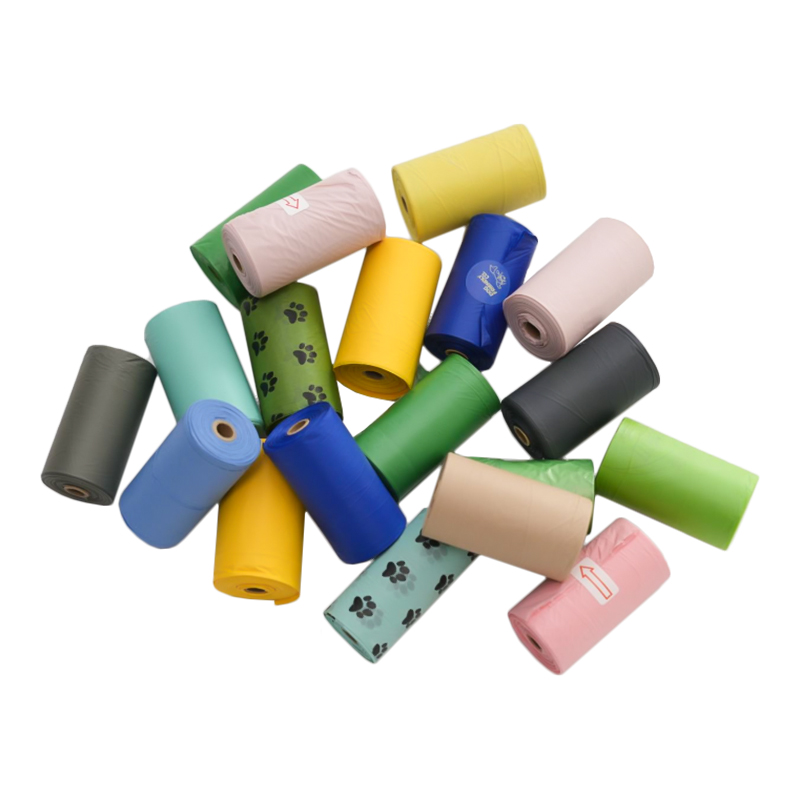
Packaging industries rely heavily on bio-based thermoplastic resins such as polylactic acid and polyhydroxyalkanoates. These materials serve as clear structural films, rigid food containers, and protective coatings, replacing single-use petroleum plastics with materials capable of industrial composting or biological degradation.
Additive manufacturing utilizes bio-based 3D printing resins formulated from modified plant oils and renewable acrylate monomers. These photopolymer resins cure rapidly under light projection, producing high-resolution prototypes, dental models, and consumer goods while minimizing toxic emissions during printing.
Utilizing a bio-based environmentally friendly resin offers significant environmental advantages evaluated across the entire life cycle of the product. The primary environmental benefit is the reduction of upstream carbon emissions. Replacing petroleum feedstocks with plant biomass reduces the global warming potential of the raw resin production phase.
Furthermore, many bio-based resin systems are formulated to eliminate hazardous chemicals, such as bisphenol A and toxic volatile solvents. Lowering volatile organic compound emissions during resin application improves workplace safety for operators and prevents photochemically generated ground-level ozone pollution.
End-of-life options for bio-based resins vary based on chemical structure. While bio-based thermoplastic resins like polylactic acid can undergo industrial composting or mechanical recycling, bio-based thermosets can be designed with reversible cross-links. These chemically recyclable bio-thermosets allow the matrix to break down into reusable oligomers under mild chemical treatment, supporting closed-loop circular economy models.
Evaluating the core differences between Thermosetting Resins, Thermoplastic Resins, and Bio-Based Environmentally Friendly Resin requires examining chemical, physical, structural, and environmental criteria. The following comparative matrix outlines these key operational dimensions.
|
Property Dimension |
Thermosetting Resins |
Thermoplastic Resins |
Bio-Based Environmentally Friendly Resin |
|---|---|---|---|
|
Primary Chemical Bonding |
Permanent covalent cross-linked networks |
Linear or branched chains held by secondary forces |
Varies from cross-linked thermosets to linear thermoplastics |
|
Thermal Processing Behavior |
Irreversible solidifying upon chemical curing |
Reversible melting and solidifying upon heat cycling |
Depends on formulation, available in thermoset and thermoplastic variants |
|
Raw Material Origin |
Petroleum-derived fossil hydrocarbons |
Petroleum-derived fossil hydrocarbons |
Plant oils, agricultural residues, sugars, lignin, or bio-waste |
|
Mechanical Creep and Thermal Resilience |
High resistance to heat, chemical attack, and deformation |
Moderate to low heat deflection, susceptible to thermal deformation |
Matches performance of conventional matrices based on bio-content |
|
Recyclability and Circularity |
Chemically non-meltable, limited mechanical recycling |
Highly recyclable through melting, re-extrusion, and molding |
Suitable for composting, biological degradation, or chemical recycling |
|
Volatile Organic Content Potential |
Moderate to high during initial mixing and curing cycles |
Low during molding, though processing fumes require control |
Low volatile organic emissions, reduced hazardous chemical exposure |
|
Typical Industrial Applications |
Aircraft structures, marine hulls, circuit boards, adhesives |
Automotive bumpers, consumer goods, food packaging, piping |
Sustainable composites, eco-casting, bio-packaging, green building |
The functional distinctiveness of these resin classes demonstrates how structural performance and thermal behavior dictate material selection. Thermosetting resins excel in unyielding structural conditions. Thermoplastic resins provide processing speed and recyclability for volume products. Bio-Based Environmentally Friendly Resin solutions combine mechanical performance with sustainable feedstock sourcing.
Choosing the appropriate resin type for a specific application requires balancing mechanical, environmental, regulatory, and financial parameters. Engineers and designers must evaluate several factors before selecting a thermoset, thermoplastic, or bio-based material.
Applications subjected to continuous static loads, mechanical vibration, or structural tension require high creep resistance and dimensional stability. Thermosetting resins and bio-based thermoset matrix formulations are typically preferred for continuous load-bearing composites because their permanent cross-linked networks prevent molecular chain slippage under prolonged strain.
If the application requires energy absorption, high impact resistance, or flexibility under sudden mechanical shock, thermoplastic resins offer superior toughness and strain-to-failure ratios. Additionally, specialized bio-based elastomeric resins can provide impact dampening while reducing reliance on synthetic synthetic rubbers.
Operating temperature profiles severely limit material options. If a component operates continuously at elevated temperatures without thermal distortion, thermosetting resins like phenolics, polyimides, or high-performance epoxies are required. These resins maintain their structural modulus well above temperatures that would melt conventional thermoplastics.
Thermoplastic resins are selected when operating temperatures remain below their glass transition or melting points. For eco-conscious designs facing elevated thermal environments, bio-based thermosetting epoxies derived from aromatic plant structures like cardanol or lignin offer high heat deflection capabilities.
Components exposed to harsh organic solvents, industrial acids, automotive fuels, or continuous saltwater immersion require high chemical inertness. Thermosetting vinyl ester and epoxy resins provide chemical protection due to their dense, cross-linked molecular barriers.
Thermoplastic materials such as high-density polyethylene and polypropylene display resistance to aqueous acids and bases, making them suitable for chemical storage tanks and fluid transfer pipes. When environmental sustainability and low outgassing are priority goals, utilizing a low VOC bio-based environmentally friendly resin prevents volatile toxic emissions in indoor applications.
Global regulatory frameworks, including restrictions on hazardous substances and corporate scope carbon emissions targets, drive resin selection. Product developers seeking to lower life-cycle environmental impact or achieve environmental certifications prioritize Bio-Based Environmentally Friendly Resin choices.
Replacing traditional fossil-derived matrices with bio-based resins allows manufacturers to lower embodied carbon metrics, meet volatile organic compound standards, and fulfill consumer demand for sustainable products. Selecting bio-based materials synthesized from agricultural waste ensures that carbon sourcing does not compete with food production.
Manufacturing infrastructure dictates resin viability. High-volume consumer items requiring unit production times measured in seconds necessitate thermoplastic injection molding systems. Thermoplastic processing capital costs are high due to precision tooling requirements, but low per-unit costs offset initial investments at scale.
Thermosetting resins suit small to medium production runs, large structural laminates, and process workflows requiring liquid infusion, resin transfer molding, or manual hand lay-up. Bio-Based Environmentally Friendly Resin options are designed for drop-in compatibility, allowing seamless integration into existing thermoset infusion equipment or thermoplastic injection molding machinery without costly hardware redesigns.




+86 18101032584
No. 60-1, Jichuan East Road, HailingIndustrial Park, Hailing District, Taizhou City.


Copyright© Taizhou Huangyan Zeyu New Material Technology Co., Ltd. All Rights Reserved.
 Custom Fully Degradable Raw Material Manufacturers


 English
 Français
 Español
 Deutsch
 italiano