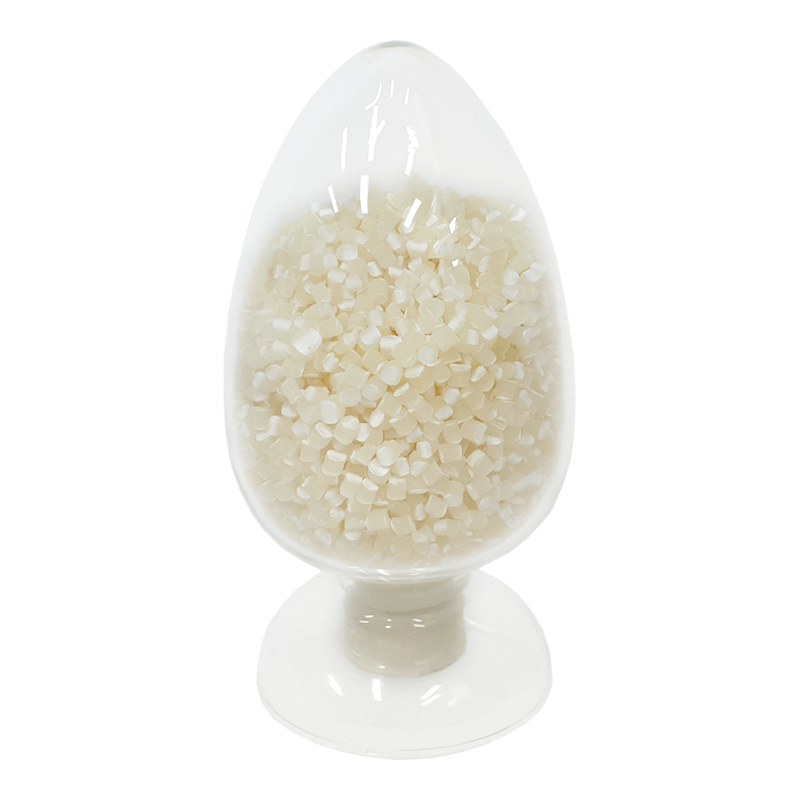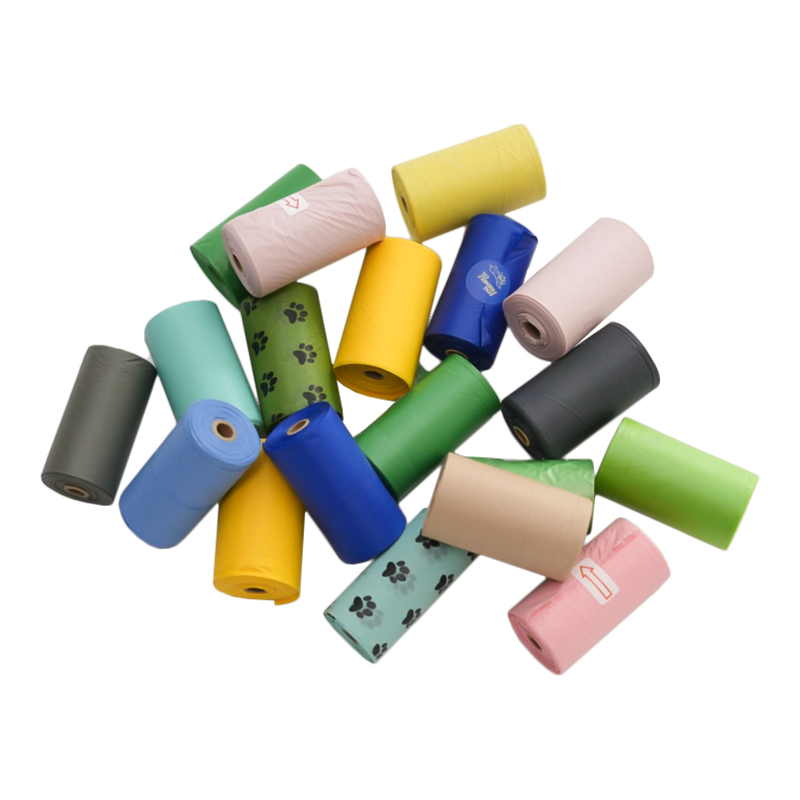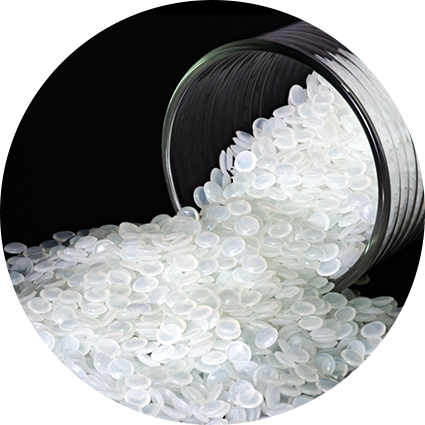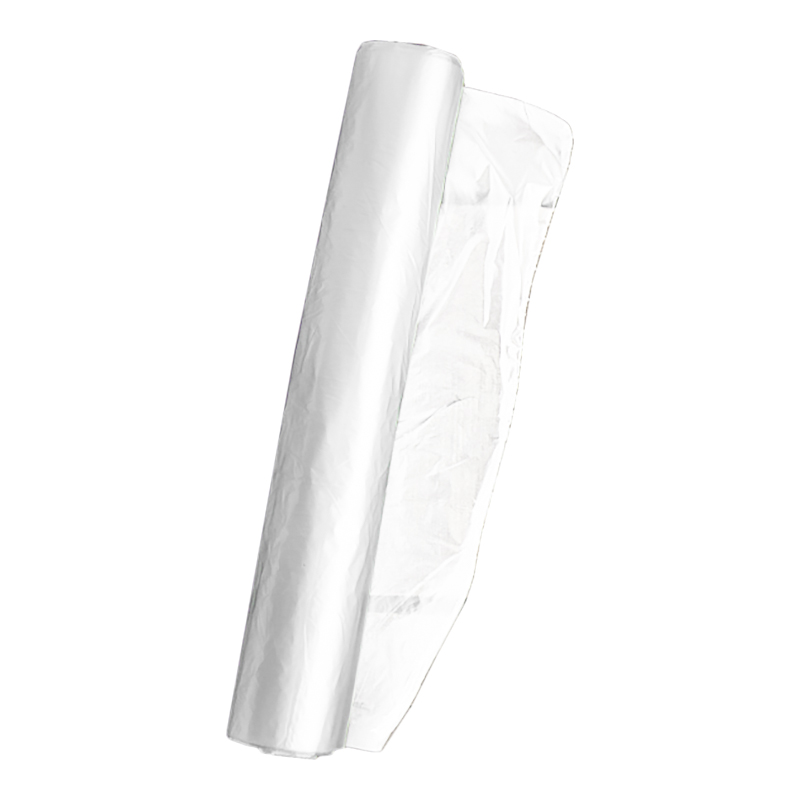

Bio-Based Eco-Friendly Materials are materials made wholly or partly from renewable biomass, such as starch, cellulose, plant oils, or agricultural residues, instead of fossil oil and gas, and Starch-Based Compostable Materials are the subgroup that combines a starch derived backbone with biodegradable polymers so that the finished product can break down in a composting facility. They matter because they cut dependence on fossil feedstock, can lower the carbon footprint of packaging and disposable products, and give brands a certified end of life option for items that are hard to recycle, such as food contaminated bags, liners, and foodservice ware.
Three ideas are worth fixing in mind from the start. First, bio based, biodegradable, and compostable are three separate properties, and a material can have one without the others. Second, the environmental benefit depends on the feedstock, the process, and what happens at the end of life, not on the label alone. Third, starch based resins are real engineering materials with their own processing rules, and they perform best when they are matched to the right application. The sections below explain the terms, the feedstock choices, how starch compounds are made, how they compare with conventional plastics, where they are used, how to process and certify them, and how to describe them without exaggeration.
Buyers often use these words as if they meant the same thing. They do not, and mixing them up leads to wrong specifications and wrong claims.
| Term | What It Describes | How It Is Verified | Example |
|---|---|---|---|
| Bio based | The origin of the carbon, from biomass instead of fossil sources | Bio based carbon content by radiocarbon testing, for example ASTM D6866 | Polyethylene made from sugarcane, which is not biodegradable |
| Biodegradable | The ability to be broken down by microorganisms under specified conditions | Laboratory biodegradation tests, for example ISO 14855 for composting | A fossil based polyester that biodegrades in compost |
| Compostable | Biodegrades and disintegrates within a set time in a composting process, without harming the compost | Certification to EN 13432, ASTM D6400, or ISO 17088 | A certified starch based compost bag |
The practical lesson is that bio based content tells you where the carbon came from, while compostability tells you what happens when the product is thrown away. A starch based compostable bag can be both. A bio based polyethylene bag is bio based but is not compostable, and a fully fossil based compostable film is compostable but not bio based. Specify each property separately, and ask for the test report that proves it.
Not all bio based feedstocks carry the same environmental weight. A useful way to compare them is by generation, which describes how directly the feedstock competes with food and land.
| Generation | Typical Feedstock | Starch Related Examples | Main Considerations |
|---|---|---|---|
| First | Food crops such as corn, cassava, potato, and sugarcane | Native corn or tapioca starch | Uses farmland and water, can compete with food, impact depends on farming practice |
| Second | Non food crops, agricultural and forestry residues | Starch from processing byproducts, cellulose from straw and husks | Less food competition, needs more processing, residues may have other uses |
| Third | Algae, food processing waste streams, other organic waste | Starch recovered from industrial waste streams | Avoids land use, still developing, quality and supply can vary |
Most Starch-Based Compostable Materials sold today use first generation feedstocks, mainly corn and cassava, because starch from these crops is abundant, consistent, and low cost. This is a fair point of concern, and it is worth keeping the scale in perspective. Global bioplastic production is roughly 2 million tonnes a year, against about 400 million tonnes of all plastic, so bioplastics are well under 1 percent of the total, and they use well under 0.1 percent of global farmland. Still, as volumes grow, sourcing starch from processing residues and certified sustainable farms becomes more important. Ask your supplier where the starch comes from, and whether the source is certified or traceable.
Transport also matters. Moving bulky agricultural material over long distances adds emissions, so a supply chain that uses regional feedstock can have a lower footprint than one that ships starch across continents. Include the whole chain when you judge a material, from the field to the factory gate.
Raw starch is a white powder made of small granules. It cannot be melted and molded like a conventional plastic, because it decomposes before it flows. The key step in making a usable resin is turning starch into thermoplastic starch, often called TPS, and then blending it with other biodegradable polymers.
The starch content of commercial compounds varies with the application. As a general guide, it can range from about 20 percent up to 70 percent by weight. Higher starch content lowers cost and raises the bio based share, but it also tends to reduce water resistance and elongation, so film grades usually carry less starch than rigid injection molded grades.
Starch compounds can replace polyethylene in many film and molded applications, but they are not identical to it. Knowing the differences lets you set realistic expectations and design around them.
| Property | Conventional Polyethylene | Starch Based Compostable Compound | What It Means in Practice |
|---|---|---|---|
| Density | About 0.92 to 0.96 g per cubic centimetre | About 1.25 to 1.5 g per cubic centimetre | Fewer square metres of film per kilogram |
| Moisture sensitivity | Very low | Moderate to high | Dry the resin and store it sealed |
| Tensile strength of film | Roughly 10 to 30 MPa depending on type | Often in a similar range for film grades | Suitable for many bags and liners |
| Heat resistance | Moderate for HDPE, low for LDPE | Low to moderate | Check hot fill and hot storage limits |
| Barrier to water vapor | Good | Lower | Not ideal for long shelf life moist foods without a coating |
| Shelf life of the product | Years | Months to about a year in good storage | Plan stock rotation, avoid heat and humidity |
Because starch compounds are denser than polyethylene, a kilogram of material makes less film at the same thickness. A kilogram of polyethylene at 0.92 g per cubic centimetre, blown into a 20 micrometre film, makes about 54 square metres. A kilogram of a compound at 1.3 g per cubic centimetre makes about 38.5 square metres, which is roughly 29 percent less.
Price per kilogram therefore understates the real gap. As an illustration, suppose polyethylene costs 1.3 USD per kilogram and a starch compound costs 3.0 USD per kilogram. The polyethylene film costs about 0.024 USD per square metre, and the starch film costs about 0.078 USD, around 3.3 times as much. These prices are examples, not market quotes, but the method is general. Always compare cost per square metre or per finished item, and look for ways to recover value, such as downgauging, or selling on the basis of regulatory compliance and brand image.
The best fits share a feature. The product is hard to clean or contaminated with food, it is used once, and there is a realistic route to composting. In these cases, compostability solves a real waste problem, and it allows the packaging to travel with the food scraps into a processing system that can use them.
For a product to be called compostable, it should be certified to a recognized standard. The main standards are EN 13432 in Europe, ASTM D6400 in the United States, and ISO 17088 internationally. They test four things.
| Requirement | What Is Tested | Typical Pass Criterion |
|---|---|---|
| Material characteristics | Volatile solids content, and limits on heavy metals and fluorine | Within the limits set by the standard |
| Biodegradation | Conversion of the carbon to carbon dioxide in a laboratory composting test | At least 90 percent within 6 months |
| Disintegration | Physical break up of the product in a composting trial | At least 90 percent passes a 2 mm sieve after 12 weeks |
| Compost quality and ecotoxicity | Effect on the finished compost and on plant growth | No adverse effect |
These tests are run under industrial composting conditions, usually at about 58 degrees Celsius with controlled moisture and air. Home composting is cooler, often 20 to 30 degrees Celsius, and it takes longer, so a separate home compostable certification exists with longer test periods. A product that passes the industrial test is not automatically suitable for a backyard heap.
Certification also depends on the exact formulation and thickness. If you change the film thickness, the additives, or the supplier, the certificate may no longer cover the product. Ask for a certificate that names the grade and the maximum thickness, and keep it current. In landfill, compostable plastics may break down slowly and release methane, so they are not designed for landfill disposal, and the product label should tell consumers how to dispose of it.
Most starch based compounds run on standard blown film, cast film, injection molding, or thermoforming equipment, but they need attention to moisture, temperature, and shear. The guidance below is general, so follow the data sheet for your grade.
| Problem | Likely Cause | Typical Fix |
|---|---|---|
| Bubbles, holes, or rough film | Moisture in the resin | Dry the resin and keep the hopper sealed |
| Dark specks or discoloration | Overheating or long residence time | Lower the temperature, purge, shorten the hold up |
| Brittle or weak film | Too much starch, poor mixing, aged material | Check the grade, mixing, and age of the resin |
| Unstable bubble in blown film | Low melt strength, wrong cooling | Adjust the blow up ratio, air ring, and temperatures |
| Weak or uneven seals | Narrow sealing window | Run seal temperature and time trials |
| Sticking and blocking | Warm storage, low slip additive | Cool and dry storage, adjust the additive package |
Several forces push demand for Bio-Based Eco-Friendly Materials. Governments restrict single use plastics, set recycled and renewable content targets, and in some places require compostable packaging for particular items. The European Union has its single use plastics rules and a packaging regulation that sets requirements for certain items to be compostable, with dates that depend on the product. Many other countries, cities, and states limit thin plastic bags and favor certified alternatives. Brands also set their own goals, and consumers increasingly ask about the origin and end of life of what they buy.
| Challenge | Why It Matters | Opportunity |
|---|---|---|
| Higher material cost | Compostable compounds cost more than conventional resin | Scale, downgauging, and regulatory demand narrow the gap |
| Performance limits | Moisture, heat, and barrier properties differ | New blends and coatings improve performance |
| Composting infrastructure | Not every region collects food waste | Growing organic waste collection rules create demand |
| Consumer confusion | People mix up bio based, biodegradable, and compostable | Clear labels and disposal instructions build trust |
| Supply chain change | Converters must test and adjust equipment | Trials and supplier support make the switch smoother |
Good suppliers can show what they sell. Use the following checklist when you compare quotations, and ask for documents, not only claims.
| Item | What to Ask For |
|---|---|
| Bio based content | A test report for the exact grade, for example by ASTM D6866 |
| Compostability | A current certificate to EN 13432, ASTM D6400, or ISO 17088 that names the grade and maximum thickness |
| Food contact | A declaration or test report for your market, if the product touches food |
| Mechanical data | Tensile strength, elongation, and tear strength, with the test method and sample thickness |
| Processing data | Melt flow rate with the test conditions, recommended temperatures, and drying guidance |
| Feedstock | The type and origin of the starch, and any sustainability certification |
| Packaging and shelf life | Moisture barrier bags, storage limits, and the shelf life |
| Consistency and support | Batch to batch quality data, trial support, and technical help with your equipment |
The phrase eco friendly is vague, and regulators in many regions expect that environmental claims be specific, accurate, and supported by evidence. Vague claims can create legal risk and erode trust. The following habits help.
They are materials made wholly or partly from renewable biomass, such as starch, cellulose, or plant oils, instead of fossil oil and gas. Their benefits depend on the feedstock, the process, and the end of life, so check the evidence behind any claim.
They are materials built on thermoplastic starch blended with biodegradable polymers such as PBAT or PLA, and certified to break down in composting conditions. Typical products are compost bags, liners, mulch film, and foodservice ware.
No. Bio based describes where the carbon comes from, and biodegradable describes whether microorganisms can break the material down. A material can be bio based and not biodegradable, or biodegradable and not bio based.
Only if they carry a home compostable certification. Many products are certified for industrial composting only, which uses higher temperatures. Check the label, and follow the disposal instructions.
Under industrial standards such as EN 13432, products must reach at least 90 percent biodegradation within 6 months and disintegrate within 12 weeks in a composting trial. Real times depend on the product thickness and the composting conditions, and breakdown is much slower in cold or dry conditions.
Film grades can reach comparable tensile strength for many bag applications, but they differ in moisture sensitivity, heat resistance, and barrier properties. Choose a grade for the application and test the product in real use.
Often yes, with adjustments. You need to dry the resin, control the melt temperature, and watch residence time. Ask the supplier for processing guidelines, and run a trial before production.
The raw materials, compounding, and certification cost more, and the higher density means fewer square metres per kilogram. Compare the cost per finished item, and consider downgauging and the value of regulatory compliance.
Not always. Life cycle results depend on how the crop is grown, how far materials travel, and how the product is processed and disposed of. Starch based materials often show a lower carbon footprint than fossil plastics, but you should verify with data for your product.
Ask for the bio based content test report, a current compostability certificate for the exact grade and thickness, mechanical and processing data, the feedstock source, shelf life and storage instructions, and technical support for trials.
Bio-Based Eco-Friendly Materials give manufacturers a way to reduce fossil carbon and to offer certified end of life options, and Starch-Based Compostable Materials are among the most practical choices for bags, liners, mulch film, and foodservice ware. Their value is greatest when the application suits them, the feedstock and the certification are documented, and the claims on the label match the evidence. Start with the properties you need, ask for data, run a trial on your own equipment, and compare the cost per finished item.
To see the materials we offer, visit our biobased environmentally friendly resin range, or send us the product you want to make, the equipment you use, and your target market, and we will suggest a suitable grade.




+86 18101032584
No. 60-1, Jichuan East Road, HailingIndustrial Park, Hailing District, Taizhou City.


Copyright© Taizhou Huangyan Zeyu New Material Technology Co., Ltd. All Rights Reserved.
 Custom Fully Degradable Raw Material Manufacturers


 English
 Français
 Español
 Deutsch
 italiano