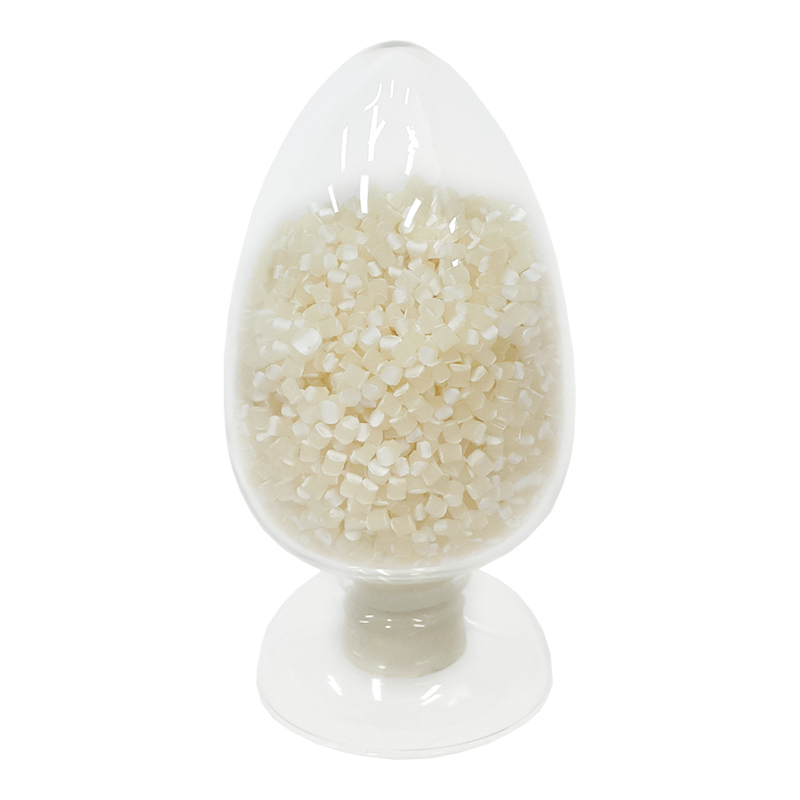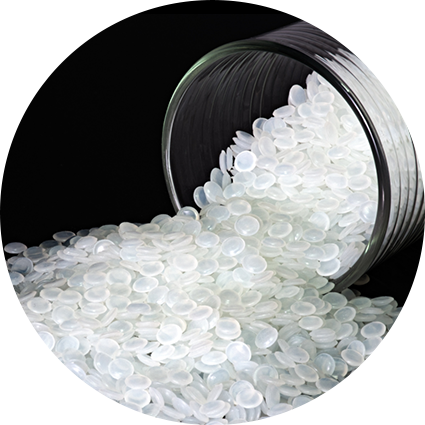

A bio-based resin is a polymer derived wholly or partially from renewable biological sources—plants, vegetable oils, lignin, agricultural waste, or other biomass. Unlike conventional petroleum-based resins that rely on fossil fuels, bio-based resins use recently absorbed CO₂ from the atmosphere, making them inherently more carbon-neutral.
It's important to distinguish bio-based from biodegradable. Many bio-based resins are thermosets—they cure into durable, cross-linked materials that are not biodegradable. However, their carbon footprint is significantly lower because the carbon they contain comes from renewable sources rather than fossil reserves.
Bio-based resins include:
The percentage of bio-content can vary—from partially bio-based (e.g., 20-30%) to fully bio-based (100%). The choice depends on the application and the performance requirements.
Several powerful forces are propelling the bio-based resin market forward.
Governments worldwide are tightening regulations on volatile organic compounds (VOCs) and carbon emissions. The EU, US, and other regions are pushing for lower-carbon materials, with bio-based resins positioned as a key solution. Corporate sustainability commitments—from net-zero targets to circular economy goals—are also driving demand. Many major manufacturers are actively seeking to replace petroleum-derived resins with renewable alternatives.
Consumers are increasingly aware of the environmental impact of the products they buy. From automotive interiors to building materials and packaging, there is growing preference for sustainable materials.
Petroleum prices are volatile, and supplies are finite. Bio-based feedstocks offer a more stable, renewable alternative.
R&D is rapidly improving the performance, scalability, and cost-effectiveness of bio-based resins. Innovations in lignin-based epoxies, vegetable oil polyols, and bio-based monomers are expanding the range of applications.
Bio-based resins are finding their way into virtually every sector that traditionally relies on petroleum-based resins.
Lightweighting is critical for fuel efficiency and electric vehicle range. Bio-based composites from agricultural residue biomass are being developed for automotive applications. Bio-epoxies and bio-polyurethanes are used in interior components, structural parts, and coatings.
From adhesives and sealants to coatings and composite materials, bio-based resins are increasingly used in building and construction. Bio-based polyurethanes are used in rigid foams for insulation, while bio-epoxies are finding applications in flooring and structural adhesives.
Bio-based resins offer a sustainable alternative for food packaging, coatings, and flexible films. The demand for bio-based packaging is expected to grow significantly as regulations on single-use plastics tighten.
The global bio-based coatings market was valued at USD 13.6 billion in 2025 and is projected to reach USD 22.6 billion by 2030. Bio-based resins are replacing petroleum-based binders in paints, varnishes, and adhesives for automotive, infrastructure, furniture, marine, and aerospace applications.
Bio-epoxies are being evaluated for aerospace composites, with some studies showing higher hygrothermal stability and durability compared to petroleum-based counterparts. Recyclable bio-epoxies have demonstrated a 73% higher strain energy release rate than conventional epoxy.
Bio-based resins offer excellent electrical insulation and thermal stability, with higher resistance to hydrolysis than synthetic polyurethanes. Research on bio-based epoxy composites for high-voltage gas-insulated switchgear has shown mechanical properties equivalent to or better than petroleum-based counterparts.
A common concern about bio-based resins is whether they can deliver the same performance as traditional petroleum-based resins. The evidence increasingly suggests they can—and in some cases, even surpass them.
Studies on bio-based epoxy composites have demonstrated mechanical properties equivalent to or better than petroleum-based counterparts. Research on epoxidized itaconic acid-based composites showed that after aging, the bio-based composite had higher strength and performance retention than petroleum-based composites. Flame-retardant bio-based epoxy monomers have produced resins with thermo-mechanical properties comparable to DGEBA.
Bio-based resins have demonstrated higher hygrothermal stability and durability than BPA-based epoxies. Bio-based epoxy composites with 20% biomaterial content have been confirmed suitable for high-voltage insulation spacers.
Bio-based resins typically show the same dispensing behavior and cure profiles as conventional resins, meaning no adaptive equipment is required.
The percentage of bio-content can be optimized for each application. Research shows that bio-content can be incorporated without detrimental effects to performance.
The most compelling argument for bio-based resins is their environmental performance.
Life cycle assessments (LCAs) consistently show that bio-based resins have a lower carbon footprint than petroleum-based alternatives. For unsaturated polyester resins, independent LCAs show a 20% reduction in carbon footprint compared to conventional UPR. Bio-based resins generally use and generate less petroleum-based carbon during their life cycle.
LCA studies have demonstrated the superior environmental performance of bio-based resins, particularly in global warming potential. Lignin-based resins for 3D printing show a global warming impact of 6.64 kg CO₂ eq/kg of resin, with higher lignin content substantially lowering both production costs and environmental impacts.
Bio-based resins can be made from a wide range of feedstocks: vegetable oils, lignin, agricultural residues, and even waste streams. This reduces dependence on fossil fuels and supports circular economy principles.
Despite their promise, bio-based resins face several challenges that need to be addressed for wider adoption.
Higher production costs compared to traditional resins remain a barrier. However, costs are declining as production scales up and technologies improve.
Ensuring stable supply chains for bio-based feedstocks is a challenge. Many bio-based materials rely on agricultural crops, which can be affected by weather, market fluctuations, and competing uses.
Some bio-based resins have limited mechanical properties in certain applications. Thermal stability and elasticity can be inferior in some cases.
The range of bio-based resins available is still narrower than petroleum-based options, though this is rapidly changing with ongoing R&D.
The bio-based resin market is poised for significant growth, driven by technological innovation and market demand.
Advanced Feedstocks: Researchers are developing resins from lignin oil, vegetable oil-polysaccharide hybrids, and even agricultural residues. Fully bio-based epoxies from lignin-derived monophenols and plant methyl ketones are now possible.
Flame Retardancy and Functionality: Innovations are adding flame-retardant properties to bio-based epoxies, expanding their application range.
Recyclability and Vitrimers: Fully bio-based epoxy resins with dynamic ester bonds capable of transesterification are being developed, enabling recyclable thermosets.
Industrial Scale-Up: Companies are scaling up commercial production of bio-based resins. Exel Composites and Polynt are adopting bio-based UPR at commercial scale, with independent LCAs showing a 20% carbon footprint reduction.
Market Growth: The bio-based resins market is forecast to grow at a CAGR of 18.88% between 2025 and 2030, with bio-based coatings expected to grow from USD 13.6 billion to USD 22.6 billion by 2030.
A bio-based resin is a polymer derived wholly or partially from renewable biological sources—plants, vegetable oils, lignin, or agricultural waste. Environmentally friendly bio-resins reduce reliance on fossil fuels and typically have a lower carbon footprint than petroleum-based resins.
Not necessarily. Most bio-based resins are thermosets—they cure into durable, cross-linked materials that are not biodegradable. However, their carbon footprint is significantly lower because their carbon comes from renewable sources.
Yes. Studies have shown that many bio-based resins have mechanical properties equivalent to or better than petroleum-based counterparts. Some bio-epoxies demonstrate higher hygrothermal stability and durability.
Bio-based resins are used in automotive components, construction materials, packaging, coatings, adhesives, aerospace composites, and electronics. Bio-based coatings alone are projected to reach USD 22.6 billion by 2030.
Bio-content can be optimized for each application. Research shows that bio-content can be incorporated without detrimental effects to performance, though the optimal percentage depends on the specific resin system and application.
Currently, yes—higher production costs compared to traditional resins remain a challenge. However, costs are declining as production scales up and technologies improve, and many users find the environmental benefits justify the premium.
LCAs consistently show that bio-based resins have a lower carbon footprint than petroleum-based alternatives. Bio-based UPR has demonstrated a 20% reduction in carbon footprint compared to conventional UPR.
Yes. Bio-based resins are increasingly used in automotive, aerospace, and electronics applications. Bio-based epoxy composites for high-voltage insulation have shown mechanical properties equivalent to petroleum-based counterparts.
Common feedstocks include vegetable oils (soybean, linseed, castor), lignin, sugar-derived monomers, plant oils, and agricultural residues.
Yes. Fully bio-based epoxy resins have been developed from lignin oil and epoxidized soybean oil, replacing toxic bisphenol A and epichlorohydrin. Fully bio-based epoxies from lignin-derived monophenols have also been demonstrated.
The bio-based resins market was valued at USD 6.98 billion in 2025 and is projected to exceed USD 13.85 billion by 2032. The natural (bio-based) resin market is forecast to reach USD 17.98 billion by 2034.
No. Bio-based resins typically show the same dispensing behavior and cure profiles as conventional resins, so no adaptive equipment is needed.
Yes. Recent research has introduced flame-retardant bio-based epoxy resin monomers with thermo-mechanical properties comparable to petroleum-based DGEBA.
Emerging technologies are making recyclable bio-based resins possible. Fully bio-based epoxy resins with dynamic ester bonds capable of transesterification have been developed, enabling recyclable thermosets.
Key challenges include higher production costs, supply chain stability for raw materials, limited material diversity, and performance trade-offs in certain applications. Ongoing R&D is addressing these issues.




+86 18101032584
No. 60-1, Jichuan East Road, HailingIndustrial Park, Hailing District, Taizhou City.


Copyright© Taizhou Huangyan Zeyu New Material Technology Co., Ltd. All Rights Reserved.
 Custom Fully Degradable Raw Material Manufacturers


 English
 Français
 Español
 Deutsch
 italiano