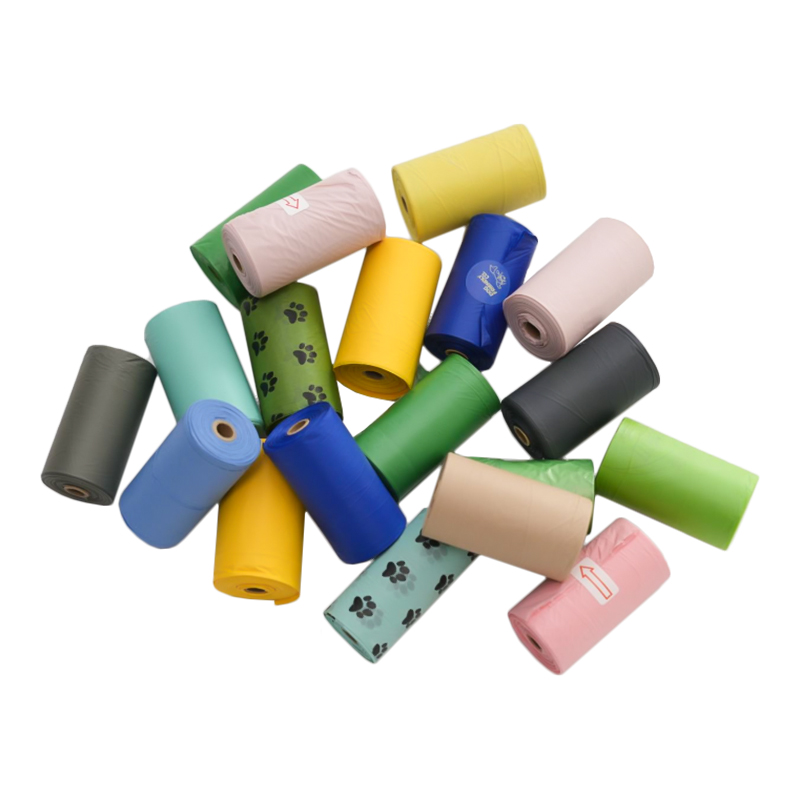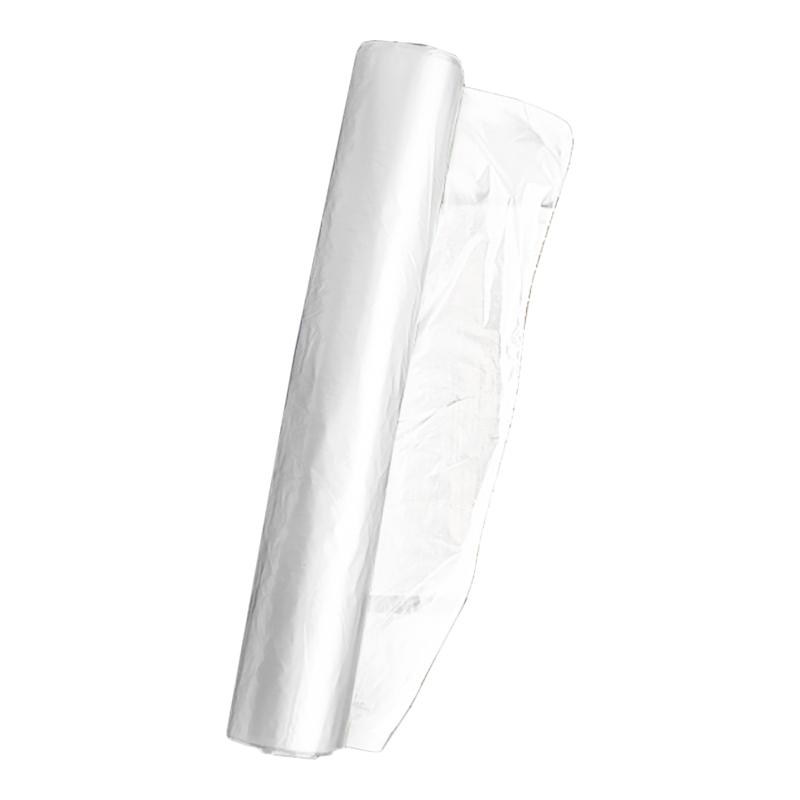

Managing residential and commercial waste responsibly has become a primary priority for environmentally conscious households and businesses. Traditional petroleum based plastic trash sacks remain in landfills for centuries, breaking down into microplastics that contaminate soil, water systems, and marine habitats. As a response to this environmental challenge, fully biodegradable eco friendly bags have emerged as a practical solution for modern waste handling. These sustainable containers provide the necessary strength and leak resistance required for daily disposal while decomposing naturally into organic matter, water, and carbon dioxide when processed in appropriate composting conditions. Selecting the ideal compostable waste liner requires an understanding of raw material compositions, structural integrity, certification standards, and specific household or commercial requirements.
The transition from conventional linear polyethylene packaging toward biological waste containment represents a vital advancement in sustainable waste streams. Fully biodegradable eco friendly bags are specifically engineered to integrate smoothly into circular economic models, where organic material returns to the earth without leaving persistent toxic chemical residues behind.
Every year millions of tons of conventional plastic garbage bags enter municipal waste streams. Traditional polyethylene liners do not undergo natural biological decay. Instead, solar radiation and mechanical stress fragment these plastics into smaller fragments, resulting in widespread microplastic contamination. When organic food waste is trapped inside impermeable petroleum plastic bags within landfills, it undergoes anaerobic decomposition, producing methane gas, a potent greenhouse driver. Switching to fully biodegradable eco friendly bags allows organic waste to breathe, facilitating aerobic decomposition when sent to municipal composting facilities or properly maintained backyard compost units. This transition reduces landfill volume, minimizes methane emissions, and generates nutrient rich compost for soil restoration.
The underlying scientific mechanism behind fully biodegradable eco friendly bags relies on bio based polymers that soil microorganisms recognize as food. Microbes such as bacteria, fungi, and actinomycetes secrete natural enzymes that cleave the long molecular chains of plant polymers into simple organic compounds. During the initial phase of degradation, moisture and ambient heat weaken the chemical bonds of the bag structure. Microorganisms then colonize the surface, digesting the starches and vegetable oils. Under optimal temperature, humidity, and oxygen levels, the entire liner converts into carbon dioxide, water, and biomass within several weeks to months, leaving no synthetic microplastic fragments or chemical residues in the resulting compost.
Consumers frequently confuse oxo degradable plastics with genuinely compostable products, yet their environmental behaviors differ significantly. Oxo degradable bags are manufactured from conventional petroleum plastics mixed with chemical additives that accelerate fragmentation when exposed to sunlight and oxygen. These additives merely break the plastic down into invisible microplastic particles that remain in the environment permanently. Conversely, fully biodegradable eco friendly bags are derived from renewable biological sources like cornstarch, vegetable oils, and compostable polyesters. True compostable liners undergo complete biological conversion, meeting rigorous international standards that prove total microbial assimilation rather than simple physical breakdown.
Navigating the market for sustainable trash liners requires verification through recognized third party testing authorities. Certifications ensure that a product performs reliably without contaminating compost batches or releasing harmful compounds into ecological systems.
In North America, the Biodegradable Products Institute certification serves as the primary benchmark for commercial compostability. Products earning this distinction comply with ASTM D6400 technical criteria, which require complete disintegration within ninety days in an industrial composting setup. This standard mandates that the resulting compost shows no toxic effect on plant growth and that heavy metal concentrations remain far below regulatory thresholds. Choosing fully biodegradable eco friendly bags carrying the BPI emblem guarantees that commercial composting operators will accept the waste liners without operational disruptions.
European standards offer comprehensive evaluation frameworks for both municipal and home composting environments. The OK Compost Industrial certification aligns with the EN 13432 European standard, confirming breakdown in industrial systems. The OK Compost Home label imposes even stricter demands, requiring the material to disintegrate completely at ambient backyard soil temperatures between twenty and thirty degrees Celsius within twelve months. The Seedling logo further validates that the material composition is fully verified through independent testing institutes, providing consumers with absolute transparency regarding environmental safety.
Waste liners used for food waste management must comply with safety regulations regarding chemical leachables. High quality fully biodegradable eco friendly bags undergo testing to ensure they are free from fluorinated chemicals like perfluoroalkyl and polyfluoroalkyl substances, phthalates, and bisphenol compounds. Additionally, third party certifications verify that inks used for printing logos or sizing information are water based or soy based, ensuring that no heavy metals like lead, cadmium, or hexavalent chromium leach into organic soil matrices during degradation.
Selecting the optimal eco friendly waste liner involves evaluating real world strength, moisture containment, capacity, and certified breakdown capabilities. The following detailed reviews highlight five top performing fully biodegradable eco friendly bags suitable for various home and professional waste management scenarios.
UNNI has established a solid reputation for manufacturing reliable compostable waste solutions that balance high tensile strength with rapid biodegradation performance.
UNNI waste liners are crafted from a specialized matrix of plant starches, vegetable oils, and compostable polyester resins. The material contains no conventional petroleum based plastics. When placed in an industrial composting facility, these liners disintegrate fully within fifty to ninety days, converting into rich humus, water, and carbon dioxide. The formulation is certified by BPI under ASTM D6400 standards and holds the European OK Compost Home certification, confirming that the liners will break down reliably even in low temperature backyard composting systems.
A common issue with plant based liners is premature tearing when handling heavy or wet food scraps. UNNI addresses this challenge through an extra thick material construction that offers enhanced resistance to punctures from sharp food bones, fruit stems, and rigid packaging edges. The high elasticity of the plant polymer blend allows the bag to stretch under load without sudden structural failure, making it highly dependable for daily kitchen operations.
These fully biodegradable eco friendly bags are particularly well suited for small to medium tabletop compost caddies and food waste collection bins. They work effectively in residential kitchens, coffee shops, and office breakrooms where wet organic material needs to be contained without leaking moisture or odor prior to disposal into municipal organic bins.
BioBag is an established pioneer in the bioplastic sector, delivering specialized compostable packaging developed over decades of research in plant polymer technology.
BioBag liners utilize a proprietary resin known as Mater Bi, derived mainly from non genetically modified cornstarch, vegetable oils, and biodegradable polymers. A key feature of these liners is their natural micro breathability. The polymer structure permits moisture vapor to escape while retaining liquid water, preventing steam condensation from accumulating at the base of the waste bin.
By facilitating subtle moisture evaporation, BioBag liners keep food waste drier than standard plastic bags. This reduction in moisture slows down anaerobic fermentation inside the bin, significantly reducing the development of unpleasant odors in residential kitchens. The structural integrity of the bag remains stable over several days of continuous exposure to typical damp food waste.
BioBag liners are available in various sizes ranging from small countertop caddies to large tall kitchen trash cans. They are ideally suited for residential food scrap collection, fruit skin disposal, coffee ground collection, and municipal kerbside organic recycling programs that accept certified compostable bags.
Stout provides high capacity waste management solutions tailored for demanding environments where volume and weight exceed typical residential demands.
Stout Eco Poly bags utilize an advanced coextrusion manufacturing process, layering plant based resins to maximize structural rigidity and tear resistance. This multi layer construction distributes weight evenly across the base of the bag, preventing seam rupture under heavy pressure from saturated waste or bulky materials.
Despite their heavy duty construction, these fully biodegradable eco friendly bags maintain strict compliance with industrial composting parameters. The bags degrade completely in commercial composting operations without leaving persistent synthetic residue or toxic chemical traces behind. They offer a functional bridge between high strength industrial plastic requirements and eco friendly disposal targets.
These high capacity liners excel in commercial settings such as restaurant kitchens, catering operations, office buildings, and outdoor event venues. They handle large volumes of organic waste, paper towels, and yard trimmings without leaking or splitting during transport to outdoor collection dumpsters.
Hiware focuses on everyday utility and structural reliability, offering compostable liners designed to prevent common mess issues associated with kitchen waste collection.
A fundamental structural advantage of Hiware liners is their star sealed bottom configuration. Instead of a single straight bottom seam, the material is gathered and sealed at a central point. This engineering design distributes liquid weight uniformly across the entire bottom surface, eliminating weak stress points and providing outstanding protection against liquid leaks from rotting produce or liquid food scraps.
Hiware bags are manufactured to meet ASTM D6400 standards, ensuring efficient processing at commercial composting sites. The plant based matrix breaks down cleanly under microbial action, leaving zero toxic chemical trace and maintaining high quality standards for the resulting commercial soil products.
These fully biodegradable eco friendly bags are tailored for daily residential waste management. Their thick construction makes them reliable for lining under sink garbage bins, bathroom wastebaskets, and food scrap pails, offering a clean and hygienic disposal experience for busy households.
RELI offers versatile, user friendly compostable garbage liners designed to fit standard high capacity kitchen trash cans seamlessly.
Unlike many basic compostable bags that rely on simple tie handles or flat tops, RELI integrates an easy pull drawstring closure constructed from compostable materials. The drawstring provides a secure grip around the rim of tall kitchen cans, preventing the bag from slipping inside when heavy trash is added. When full, the drawstring pulls tight to lock in odors and simplify transport.
Food waste often contains high concentrations of citric acids, vinegar, and active bacterial cultures that can weaken lower quality bio bags. RELI liners are formulated to withstand exposure to acidic organic environments without suffering premature structural degradation, maintaining strength over several days of usage inside the home.
Engineered primarily for thirteen gallon tall kitchen receptacles, RELI fully biodegradable eco friendly bags also perform exceptionally well in office waste cans, basement collection points, and garage recycling stations that collect compostable items.
Evaluating the technical capabilities and optimal use cases for different fully biodegradable eco friendly bags helps match the right liner to specific waste management demands. The table below outlines key practical characteristics across the top five models.
|
Product Model |
Certification Standards |
Primary Material Base |
Bottom Seal Configuration |
Ideal Waste Type |
Moisture Containment Rating |
|---|---|---|---|---|---|
|
UNNI Extra Thick Bags |
BPI ASTM D6400, OK Compost Home |
Plant Starch, Vegetable Oils, Bio Polyester |
Flat Reinforced Seal |
Wet Kitchen Scraps, Tabletop Caddies |
High Moisture Resistance |
|
BioBag Kitchen Bags |
BPI ASTM D6400, OK Compost Industrial |
Mater Bi Cornstarch Matrix |
Star Sealed Base |
High Odor Food Scraps, Organic Bins |
Breathable Vapor Control |
|
Stout Eco Poly Liners |
BPI Certified Industrial |
Coextruded Plant Derived Resins |
Gusseted Heavy Duty Base |
Heavy Commercial Waste, Yard Trimmings |
Superior Heavy Liquid Containment |
|
Hiware Extra Thick Liners |
BPI ASTM D6400 |
Plant Based Starch Polymer |
Star Sealed Center Point |
Daily Residential Kitchen Waste |
Exceptional Leakproofing |
|
RELI Tall Kitchen Bags |
BPI ASTM D6400 |
Compostable Resin with Elastic Drawstring |
Reinforced Side and Bottom Seals |
Tall Kitchen Trash Cans, Mixed Organic Waste |
High Tear and Acid Resistance |
The engineering behind fully biodegradable eco friendly bags involves sophisticated polymer blending to duplicate the stretch, clarity, and strength of conventional plastics while ensuring natural environmental breakdown.
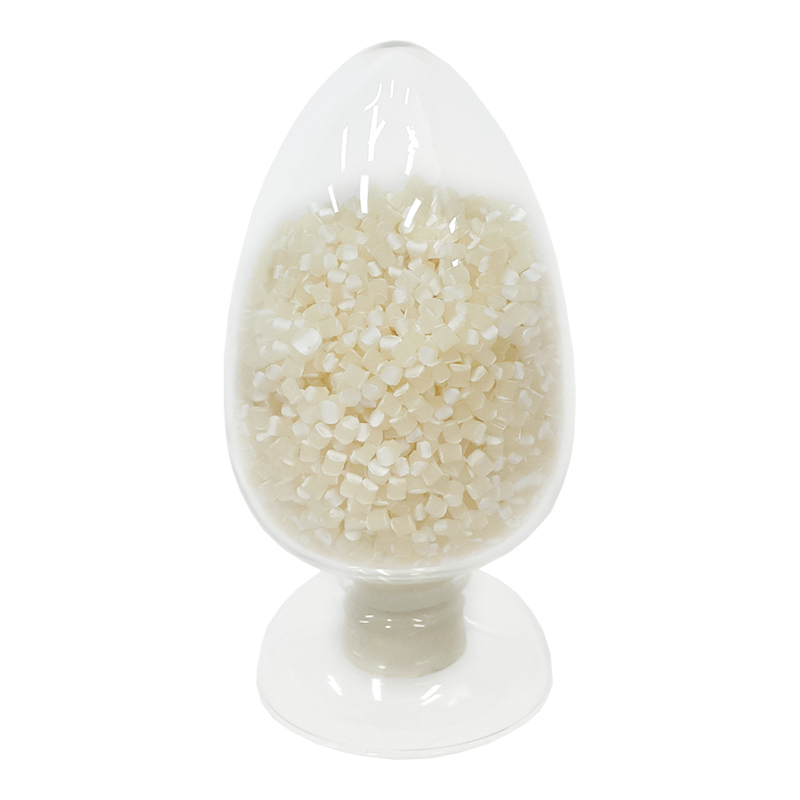
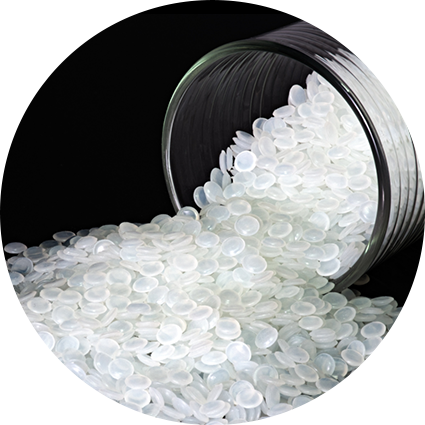
Pure plant starches lack the tensile strength and flexibility required to create functional trash bags. To overcome this limitation, bioplastic manufacturers blend Polylactic Acid with Polybutylene Adipate Terephthalate. Polylactic Acid, derived from fermented plant sugars such as corn starch or sugarcane, contributes structural rigidity and high tensile modulus. Polybutylene Adipate Terephthalate is a biodegradable synthetic polyester that provides crucial flexibility, impact resistance, and elongation properties. By balancing the ratio of these two polymers, manufacturers produce fully biodegradable eco friendly bags that stretch under heavy loads rather than snapping abruptly.
Incorporating native cornstarch or cellulose fibers directly into the polymer matrix enhances the biodegradability profile of waste liners while reducing overall material costs. Starch granules are hydrophilic, meaning they naturally attract water molecules. When a used liner enters a moist compost environment, the starch particles absorb water and swell, physically weakening the polymer structure. This expansion creates micro channels that allow soil bacteria and fungi to penetrate deep into the bag material, dramatically accelerating the rate of microbial digestion.
The decomposition process of fully biodegradable eco friendly bags depends on four primary environmental variables: temperature, moisture levels, oxygen availability, and microbial concentration. In an industrial composting facility, temperatures are actively maintained between fifty and sixty five degrees Celsius, creating optimal conditions for thermophilic bacteria. Under these conditions, the molecular weight of the bio polymers drops rapidly within weeks. In home compost bins, where temperatures remain lower, decomposition proceeds at a slower rate, requiring materials specifically certified for home composting conditions to ensure complete breakdown within a reasonable timeframe.
Selecting the most suitable fully biodegradable eco friendly bags for specific domestic or commercial environments requires careful consideration of structural, environmental, and storage factors.
Understanding the weight and density of the waste being generated prevents bag failure during transport. Wet food waste, coffee grounds, and yard trimmings possess high density and require liners with high puncture resistance and strong bottom seals, such as star sealed configurations. Dry office waste, paper items, and light packaging can be accommodated by lighter gauge compostable bags. Matching the physical demands of the waste stream with the correct bag thickness ensures clean and efficient waste management without unnecessary material consumption.
Unlike conventional polyethylene trash bags that remain stable indefinitely, fully biodegradable eco friendly bags possess an inherent shelf life because they are designed to break down over time. Most bioplastic liners maintain optimal physical properties for twelve to eighteen months from the date of manufacture. To preserve structural integrity prior to use, store these bags in a cool, dry location away from direct sunlight, high humidity, and heat sources like radiators or hot kitchen appliances. Storing bags in high heat or humid environments can initiate early polymer degradation, causing the material to become brittle or lose tensile strength.
Before purchasing fully biodegradable eco friendly bags in large quantities, verify the specific processing rules of local municipal waste management authorities. While most green bin programs accept certified BPI compostable liners, some municipal facilities utilize specialized machinery that screens out all film plastics regardless of material composition. For households practicing backyard composting, ensure the selected liners carry explicit OK Compost Home certification, confirming that the bags will decompose fully at lower ambient temperatures without requiring industrial composting equipment.




+86 18101032584
No. 60-1, Jichuan East Road, HailingIndustrial Park, Hailing District, Taizhou City.


Copyright© Taizhou Huangyan Zeyu New Material Technology Co., Ltd. All Rights Reserved.
 Custom Fully Degradable Raw Material Manufacturers


 English
 Français
 Español
 Deutsch
 italiano