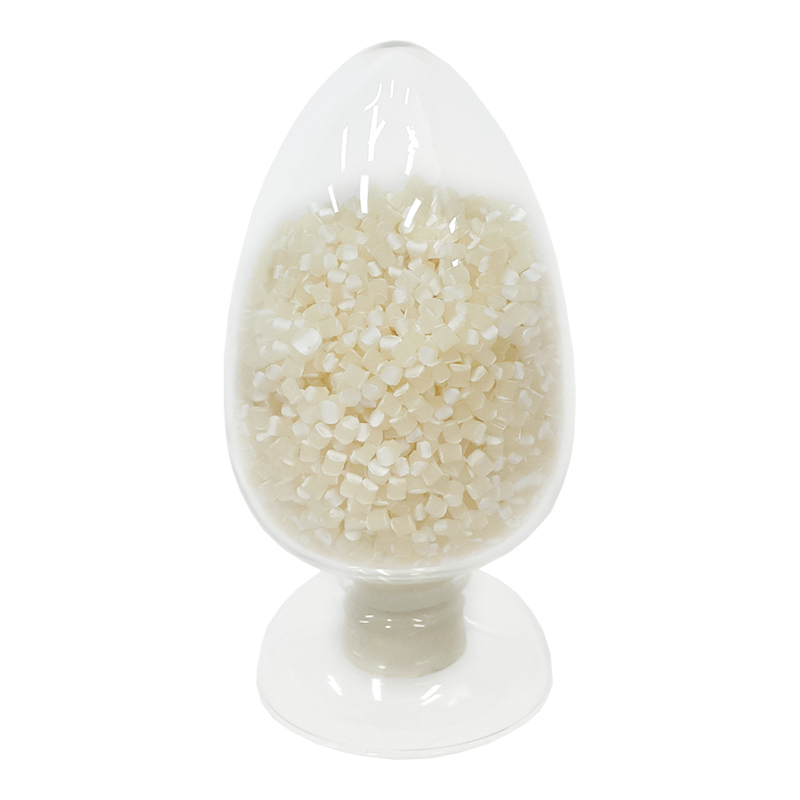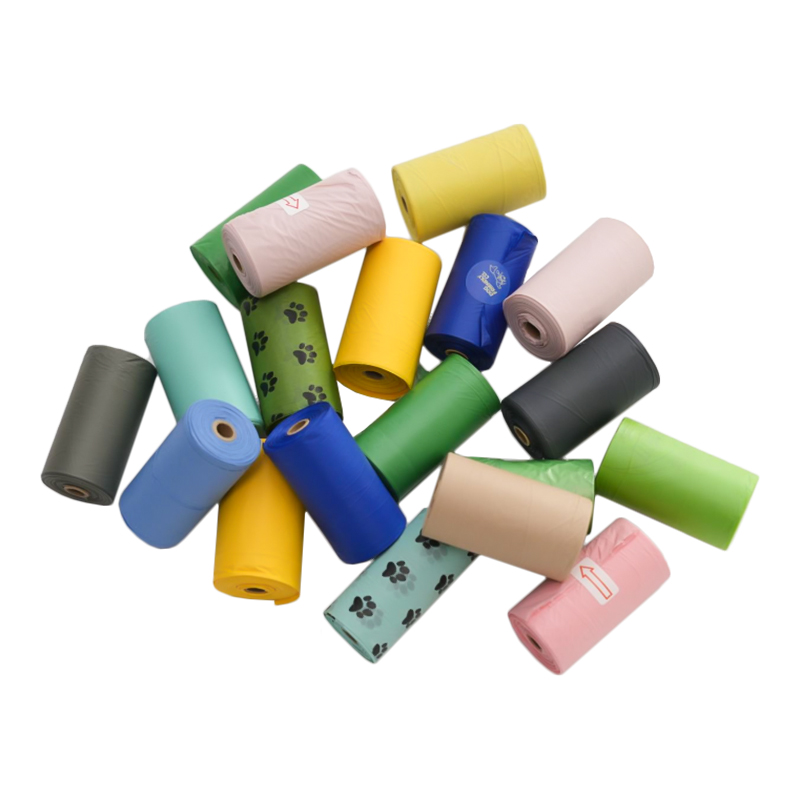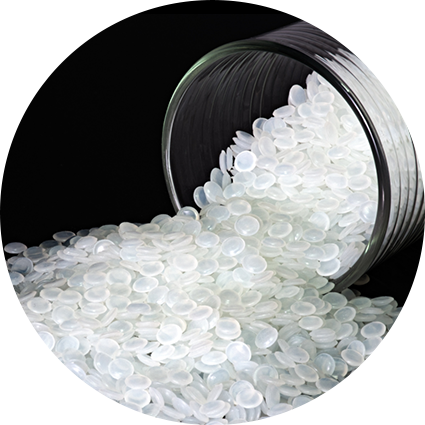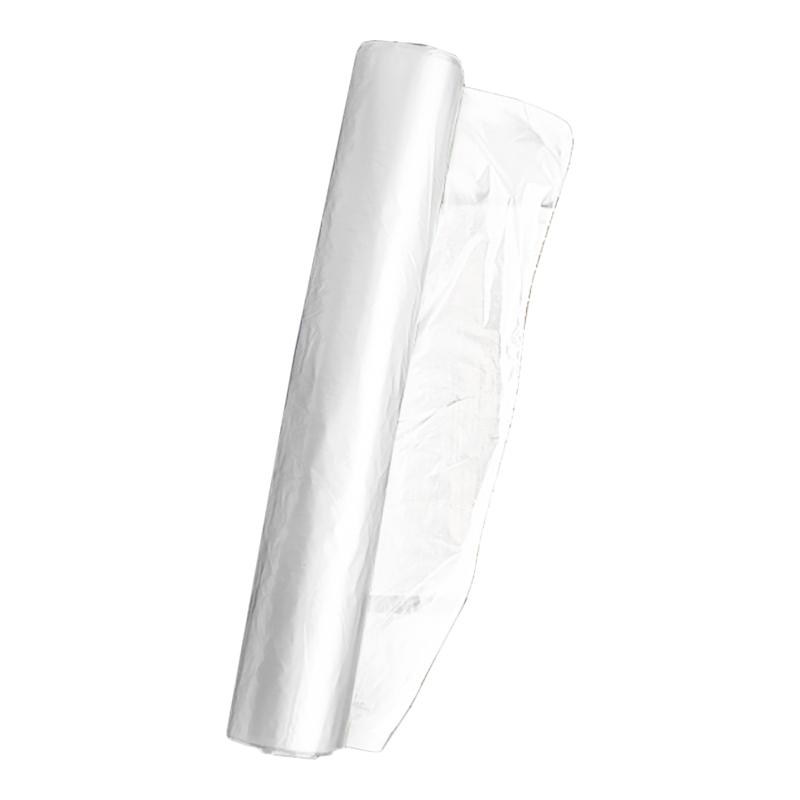

Fully biodegradable eco-friendly bags are sustainable packaging solutions made from plant-based materials that decompose naturally under specific environmental conditions. Unlike conventional plastic bags that persist for hundreds of years, these bags break down into water, biomass, and carbon dioxide when exposed to microorganisms in appropriate environments.
The key distinction lies in the word "fully"—these bags are designed to completely degrade without leaving harmful residues or microplastics behind. They utilize renewable resources such as corn starch, polylactic acid (PLA), polyhydroxyalkanoates (PHA), and starch blends that are derived from plant-based sources.
Fully biodegradable eco-friendly bags are typically manufactured in specialized facilities that transform renewable, plant-based materials into certified compostable products that break down naturally without leaving harmful residues. These factories must comply with stringent safety regulations and certification standards depending on their deployment location.
One of the most common misconceptions about eco-friendly bags is that "biodegradable" and "compostable" mean the same thing. While all compostable bags are biodegradable, not all biodegradable bags are compostable. Understanding this distinction is crucial for making informed purchasing decisions.
A biodegradable bag is designed to break down naturally over time through the action of microorganisms. However, the term lacks standardization, leading to variability in decomposition rates and environmental impact. Key characteristics include:
Decomposition timeframe varies widely—it may take months or even years. Some biodegradable plastics are still petroleum-based, meaning they may only break into smaller fragments (microplastics) rather than fully degrading. Biodegradable does not require industrial composting or certified conditions. Importantly, biodegradable does not guarantee environmental safety.
A compostable bag is a subset of biodegradable materials that decompose into nutrient-rich compost under specific conditions, typically in industrial composting facilities. These bags must meet recognized certification standards such as EN 13432 (EU), ASTM D6400 or D6868 (USA), or AS 4736 (Australia).
Compostable bags are made from plant-based materials (PLA, cornstarch, PBAT blends). They decompose fully in a composting environment within a defined timeframe—typically 90 to 180 days. They leave no harmful residue or microplastics and are tested to break down without leaving toxic residues.
If your goal is to minimize environmental impact, compostable bags provide clearer environmental benefits and recognized certifications that buyers can trust. However, it is essential to be aware of local infrastructure capabilities and labeling standards to maximize the environmental benefits of these products.
Fully biodegradable eco-friendly bags are manufactured from a combination of renewable, plant-based materials that are designed to break down completely under appropriate conditions. The most common materials include:
PLA (Polylactic Acid): Derived from fermented plant starch, usually from corn or sugarcane. PLA is recognized as one of the most promising biodegradable polymers for packaging due to its high strength, transparency, and ease of processing.
PBAT (Polybutylene Adipate Terephthalate): A flexible, biodegradable polyester that provides excellent elongation and toughness. It is often blended with PLA and starch to achieve the desired mechanical properties.
Corn Starch: A renewable, plant-based material that serves as a key component in many biodegradable bag formulations. Bags made from corn starch can break down within 45 days in an ideal compost environment.
PHA (Polyhydroxyalkanoates): Biodegradable polyesters produced by bacterial fermentation of sugars or lipids.
Many fully biodegradable eco-friendly bags are made from a combination of these materials. For example, typical formulations include Corn Starch + PLA + PBAT, creating bags that are 100% compostable and biodegradable. Some manufacturers use cassava starch as an alternative to corn starch, offering similar biodegradable properties.
These materials are free from toxic substances such as lead, cadmium, phthalic plasticizers, and bisphenol A, making them safe for food contact and environmentally friendly.
The decomposition of fully biodegradable eco-friendly bags depends on several factors, including the material composition, environmental conditions, and the presence of microorganisms. Understanding these factors helps users make informed decisions about proper disposal.
Industrial Composting Conditions: Under controlled composting conditions (58°C), certified compostable materials must convert more than 90% of their organic carbon into CO2 within six months. Additionally, less than 10% of fragments larger than 2 mm should remain after 12 weeks of composting.
Marine Environment: In marine environments, compostable bags have been shown to completely disappear within three months. The degradation of starch-based shopping bags in marine environments has been estimated to occur within 124 to 180 days.
Soil Environment: In soil environments, degradation is slower. The same compostable bag that disappeared in three months in seawater was still present in soil after 27 months, though it could no longer hold weight without tearing.
Open-Air Environment: After nine months of exposure in open-air conditions, all bag materials have been shown to disintegrate into fragments.
It is important to note that while these bags degrade faster than conventional plastics, none of the bags tested could be relied upon to show substantial deterioration in all environments within three years. This highlights the importance of proper disposal in appropriate composting facilities.
Fully biodegradable eco-friendly bags offer significant environmental benefits compared to conventional plastic bags, but they also come with important considerations.
Fully biodegradable bags are designed to decompose naturally without leaving harmful residues, addressing the environmental hazards posed by conventional polyethylene bags that persist for centuries. Certified compostable bags break down into water, CO2, and humus, leaving no persistent microplastics in the soil. Biodegradable bags are made from renewable, plant-based materials, reducing dependence on fossil fuels. When disposed of in appropriate composting facilities, these bags contribute to bio-waste management and soil health.
Fully biodegradable bags cost 15-30% more than conventional alternatives. While these bags are designed to degrade, they require specific conditions—typically industrial composting facilities—to break down effectively. Some biodegradable materials may not entirely degrade in industrial composting plants under realistic conditions and could leave microplastic fragments in composts.
Evidence suggests that biodegradable materials may fragment into micro/nanoplastics at a faster rate than conventional plastics. However, similar to conventional microplastics, the resulting particles can persist in the environment, contributing to long-term ecological risks. A CSIC study using zebrafish cells in vitro showed that UV ageing of biodegradable bags increases their toxicity levels. As they biodegrade, the toxicity is transferred to the compost, which may become a source of pollutants and microplastics for the soil.
Additionally, some biodegradable plastics labeled as compostable are only composted in industrial facilities, not at home. Compostable bags must disappear fully into carbon dioxide, water, inorganic compounds, and biomass—but only under controlled composting conditions. In everyday terms, compostable is usually the more specific term that tells you the bag is designed to break down into natural material under composting conditions.
Fully biodegradable eco-friendly bags serve numerous practical applications across consumer and commercial sectors.
Household Waste Management: This represents a primary use case, with compostable bin liners enabling organic waste diversion from landfills. These bags allow households to collect kitchen and garden waste that can be composted directly.
Food Service: Food service operations utilize compostable bags for kitchen scraps and food waste collection, supporting commercial composting programs. They are also safe and reliable for takeaway meals, bakery products, and grocery packing.
Retail Applications: Retail applications include shopping bags, produce bags, and packaging for dry goods, providing sustainable alternatives to single-use plastic.
E-commerce and Logistics: With the rise of e-commerce, biodegradable mailing bags are increasingly used for sustainable shipping.
Agricultural Applications: Agricultural applications leverage biodegradable bags for seed packaging, mulch films, and nursery bags that decompose in soil, eliminating removal costs and plastic residue.
Industrial Applications: Biodegradable bags are also used in waste management, food services, and any industry that wants to reduce its environmental impact.
The market for fully biodegradable eco-friendly bags is experiencing rapid growth, driven by increasing regulatory pressure and shifting consumer preferences.
Governments worldwide are implementing stringent regulations to curb plastic pollution. The European Union's Single-Use Plastics Directive, effective since 2021, prohibits certain single-use plastic products including checkout bags. Under Article 9 of the EU Packaging and Packaging Waste Regulation, certain packaging types will be required to meet industrial compostability standards from 12 February 2028. Several US states including California have enacted bans on thin plastic bags since 2016. In 2024, India's nationwide ban on single-use plastics expanded to include thicker variants. Multiple Chinese cities have also pushed for the development of biodegradable plastics.
The global earth-friendly plastic bags market is projected to grow from USD 1.85 billion in 2025 to USD 3.12 billion by 2032, exhibiting a CAGR of 6.8%. The eco-friendly plastic bags for shopping and garbage containing market is projected to grow from USD 412.32 million in 2025 to USD 612.87 million by 2032. Over 100 countries have introduced plastic bag bans or taxes, resulting in a notable rise in eco-friendly bag usage. Data indicates that plastic bag consumption has decreased by up to 90% in areas with bans.
North America currently leads regional adoption with 32% market share, followed by Europe at 28%, while Asia-Pacific shows the fastest growth trajectory at 6.3% CAGR due to rapid urbanization and environmental awareness initiatives.
To ensure that fully biodegradable eco-friendly bags meet genuine environmental standards, they must pass rigorous certification processes. The standards consist of a series of tests including chemical analysis with limits for heavy metals and fluoride, a biodegradability test, a disintegration test, and a phytotoxicity test on the final compost.
EN 13432 (Europe): The European standard for compostability requires that materials must convert >90% of their organic carbon into CO2 within six months and leave <10% of fragments >2 mm after 12 weeks of composting.
ASTM D6400 / D6868 (USA): American standards for compostable plastics.
AS 4736 (Australia): Australian standard for compostable plastics.
Certified compostable bags must meet these standards to ensure they break down within a set period without leaving harmful residues. When looking for fully biodegradable eco-friendly bags, it is always important to ask for certifications to support any claims made by manufacturers or retailers.
The biodegradable packaging field continues to evolve with several emerging trends. Advanced materials including seaweed-based polymers and agricultural waste-derived bioplastics offer improved sustainability profiles. Fully integrated production systems connect material compounding, extrusion, and conversion stages, creating seamless manufacturing workflows. Artificial intelligence-assisted quality control monitors production parameters in real-time, reducing defects and improving consistency. Blockchain-based traceability systems enable manufacturers to provide transparent documentation of material sourcing, production conditions, and certification status. These connected systems also facilitate regulatory compliance through automated record-keeping and audit trail generation.
Market research indicates compound annual growth rates exceeding 15% through 2030, with particular strength in food service packaging, retail carry bags, and agricultural applications.
Fully biodegradable eco-friendly bags are sustainable packaging solutions made from plant-based materials such as PLA, PHA, and starch blends that decompose naturally under specific environmental conditions. They break down into water, biomass, and carbon dioxide when exposed to microorganisms, leaving no harmful residues.
All compostable bags are biodegradable, but not all biodegradable bags are compostable. Biodegradable bags may take months or years to break down and may leave microplastics. Compostable bags must meet strict certification standards (EN 13432, ASTM D6400), break down within 90-180 days in composting conditions, and leave no toxic residues.
Decomposition time varies by environment. In marine environments, compostable bags can disappear within 3 months. In soil, they may still be present after 27 months. Under industrial composting conditions, they must break down within 90-180 days.
Common materials include PLA (polylactic acid) from corn or sugarcane, PBAT (polybutylene adipate terephthalate), corn starch, and PHA (polyhydroxyalkanoates). These materials are free from toxic substances such as lead, cadmium, and phthalates.
Yes, biodegradable bags typically cost 15-30% more than conventional alternatives. However, as production scales up and regulations tighten, prices are expected to become more competitive.
Fully biodegradable bags are designed for composting, not traditional recycling. They should be disposed of in appropriate composting facilities where they can break down completely. They should not be placed in regular plastic recycling streams as they can contaminate the recycling process.
Yes, certified biodegradable bags are made from materials that are free from toxic substances and are safe for food packaging. They are commonly used for food packaging, produce bags, and takeaway containers.
Look for certifications such as EN 13432 (Europe), ASTM D6400 or D6868 (USA), or AS 4736 (Australia). These ensure the bags meet rigorous compostability standards.
Biodegradable bags may not break down effectively in landfills due to the lack of oxygen and microorganisms. They are best suited for industrial composting facilities where conditions are optimized for decomposition.
Applications include household waste management (compostable bin liners), food service (kitchen scrap collection), retail (shopping and produce bags), e-commerce (biodegradable mailing bags), and agriculture (seed packaging and mulch films).
The global market is projected to grow from USD 1.85 billion in 2025 to USD 3.12 billion by 2032, at a CAGR of 6.8%. Growth is driven by increasing regulations, consumer awareness, and corporate sustainability commitments.
Certified compostable bags are designed to leave no harmful residues or microplastics. However, some biodegradable materials may fragment into microplastics if they do not fully degrade under realistic conditions. Proper disposal in industrial composting facilities helps ensure complete degradation.
Only bags specifically certified for home composting should be placed in home compost systems. Most certified compostable bags require industrial composting conditions to break down effectively.
Yes, governments worldwide are implementing regulations on biodegradable and compostable plastics. The EU requires certain packaging to be compostable by 2028, and many countries have banned single-use plastics, driving adoption of biodegradable alternatives.
Look for clear certification labels such as EN 13432 or ASTM D6400. Check that the bag is labeled as "100% compostable" rather than just "biodegradable". Reputable manufacturers provide documentation of their certifications and material sources.




+86 18101032584
No. 60-1, Jichuan East Road, HailingIndustrial Park, Hailing District, Taizhou City.


Copyright© Taizhou Huangyan Zeyu New Material Technology Co., Ltd. All Rights Reserved.
 Custom Fully Degradable Raw Material Manufacturers


 English
 Français
 Español
 Deutsch
 italiano