
The global polymer industry is undergoing a profound transition as manufacturing sectors seek to reconcile high-performance material requirements with ecological responsibility. For decades, synthetic polyester has served as a foundational material for packaging, textiles, automotive components, and industrial applications due to its exceptional strength, chemical resistance, and cost effectiveness. However, the environmental persistence of traditional petroleum-based plastics has created an urgent demand for sustainable alternatives that can degrade naturally without leaving harmful chemical residues in the biosphere.
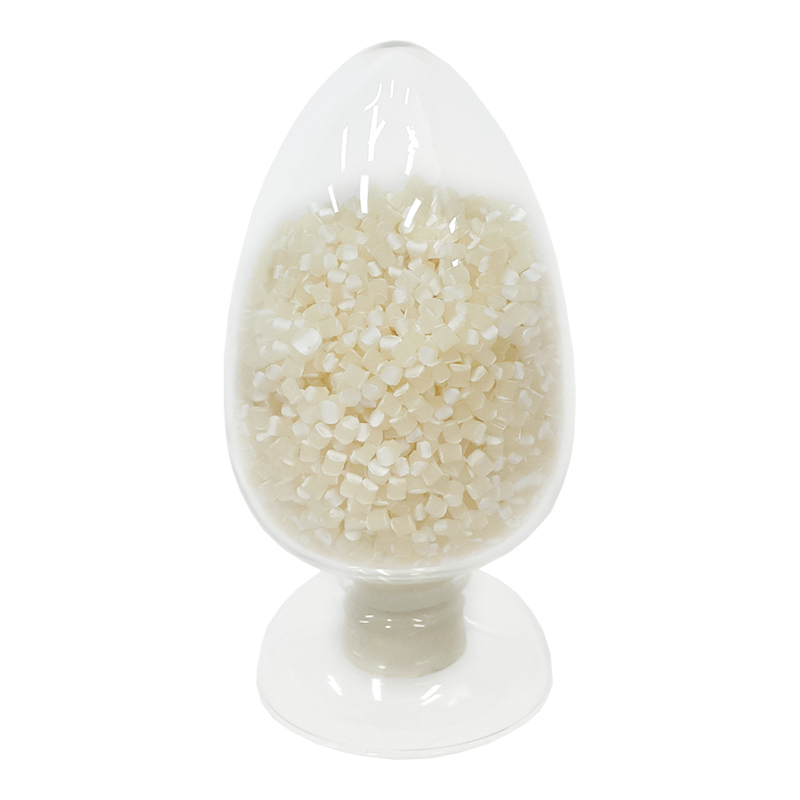
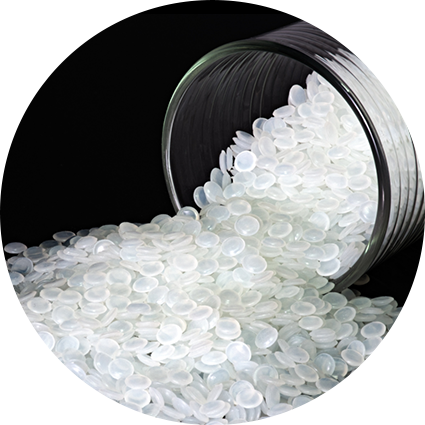
Among these emerging alternatives, fully biodegradable polyester modified material represents a major milestone in polymer engineering. This class of materials combines the chemical advantages of biodegradable polyesters with targeted modifications designed to match the mechanical and thermal performance of traditional polymers. By analyzing the underlying molecular structures, environmental degradation pathways, mechanical characteristics, and processing dynamics of these two material groups, manufacturers can make informed decisions that support both environmental stewardship and product integrity.
To evaluate the practical differences between these two classes of polymers, it is first necessary to examine their chemical composition and structural design at the molecular level. The physical behavior of any plastic material, including its strength, flexibility, and longevity, is a direct consequence of its atomic arrangements and intermolecular forces.
Traditional polyester is a category of polymers that contain the ester functional group in their main molecular chain. The most common and widely utilized representative of this family is polyethylene terephthalate, which is commonly referred to as PET. This polymer is synthesized through a polycondensation reaction between terephthalic acid and ethylene glycol, both of which are typically derived from crude oil refining processes.
The molecular backbone of polyethylene terephthalate is characterized by a repeating sequence of rigid aromatic benzene rings and flexible aliphatic ethylene groups connected by highly stable ester linkages. The presence of the aromatic rings imparts significant structural rigidity and thermal stability to the polymer chain, preventing the material from softening at low temperatures. Furthermore, these closely packed chains exhibit high crystallinity, which creates a strong physical barrier against moisture and gas transmission. This dense molecular packing and the lack of easily accessible chemical cleavage sites make traditional petroleum-based polyester exceptionally resistant to environmental elements, including moisture, atmospheric oxygen, and biological enzymes.
In contrast to the rigid aromatic structures of traditional PET, a fully biodegradable polyester modified material utilizes a polymer backbone designed specifically to facilitate chemical breakdown in natural environments. These materials are typically based on aliphatic polyesters, such as polylactic acid, which is commonly referred to as PLA, or polybutylene succinate, widely known as PBS. Another prominent base polymer is polybutylene adipate terephthalate, commonly known as PBAT, which is an aliphatic-aromatic copolyester engineered to balance flexibility with degradability.
The key structural difference in these biodegradable polymers lies in the abundance of aliphatic ester bonds in their backbones. These aliphatic linkages possess lower chemical activation energy compared to the aromatic esters of PET, making them highly susceptible to hydrolysis when exposed to moisture and heat. Because raw biodegradable polyesters often suffer from performance limitations, such as the extreme brittleness of pure PLA or the excessive softness of pure PBAT, researchers utilize chemical and physical modifications to optimize their performance.
The synthesis of a fully biodegradable polyester modified material involves blending these base polymers with natural starches, mineral fillers like calcium carbonate, or specialized organic compatibilizers. These modifications alter the crystallization behavior, improve the melt strength, and increase the impact resistance of the material, allowing the final compound to be processed on standard industrial machinery while preserving its capacity to undergo complete biological decomposition.
The environmental impact of a plastic material is defined by its behavior at the end of its useful lifespan. The divergence in degradation pathways between traditional polyester and modified biodegradable alternatives highlights the contrast between persistent synthetic waste and circular biological materials.
Traditional petroleum-based polyester is engineered for maximum durability, which translates to extreme persistence when discarded in landfills, oceans, or natural landscapes. Because the polymer chains of PET are highly hydrophobic and densely packed, water molecules cannot easily penetrate the crystalline regions to initiate chemical hydrolysis under ambient conditions.
In natural environments, the degradation of traditional polyester occurs almost exclusively through slow physical weathering processes. Ultraviolet radiation from sunlight can gradually break some of the covalent bonds near the surface of the plastic, a process known as photo-oxidation, which causes the material to become brittle and fragment into smaller pieces. These fragments are classified as microplastics, which can persist in soil and marine ecosystems for hundreds of years. Because biological organisms do not possess enzymes capable of breaking the stable aromatic ester bonds of PET, traditional polyester cannot undergo true organic assimilation, meaning the material accumulates continuously in the biosphere.
A fully biodegradable polyester modified material degrades through a highly efficient, multi-stage process that leads to complete mineralization. The first stage of this degradation is abiotic hydrolysis, which is triggered when the material is exposed to moisture and elevated temperatures, such as those found in industrial composting facilities. Water molecules penetrate the aliphatic regions of the polymer matrix, attacking the ester bonds and cleaving the long polymer chains into smaller oligomers and monomers. This initial stage significantly reduces the molecular weight of the material, causing it to lose its physical strength and disintegrate into small, fragile pieces.
Once the molecular weight has decreased sufficiently, the second stage of biodegradation begins, driven by the action of microorganisms such as bacteria, fungi, and actinomycetes. These naturally occurring microbes secrete extracellular enzymes, including lipases and esterases, which cleave the remaining chemical bonds of the oligomers. The microorganisms absorb the resulting low-molecular-weight fragments as a carbon source, converting the carbon structure of the polymer into carbon dioxide, water, and rich organic biomass. Under standard industrial composting conditions, which typically maintain temperatures around fifty-eight degrees Celsius and high relative humidity, a certified fully biodegradable polyester modified material can undergo complete biological decomposition within one hundred and eighty days, leaving behind zero toxic chemical residues or persistent synthetic microplastics.
For any sustainable plastic to succeed as a replacement for traditional materials, it must deliver comparable mechanical and physical properties during its phase of active use. Industrial designers must carefully evaluate these attributes to ensure that the selected polymer can support the required physical loads and environmental conditions of the finished product.
Traditional polyester exhibits outstanding tensile strength and a high flexural modulus, making it exceptionally suited for load-bearing applications. Standard PET can withstand significant tensile forces without undergoing permanent deformation, allowing manufacturers to produce thin-walled beverage containers and high-tenacity textile fibers. The material also possesses excellent dimensional stability, maintaining its shape and structural integrity under continuous physical stress.
The mechanical profile of a fully biodegradable polyester modified material is highly customizable depending on the specific modification techniques applied during synthesis. Unmodified biodegradable polyesters often display extreme mechanical properties; for instance, raw polylactic acid has high tensile strength but is incredibly brittle, whereas raw polybutylene adipate terephthalate is highly ductile but lacks sufficient tensile strength for rigid packaging.
By blending these complementary polymers and introducing targeted chain extenders, chemical engineers can produce a modified material that matches the tensile strength of traditional polyester while maintaining excellent elongation at break and impact toughness. This balanced mechanical performance allows the modified material to resist tearing and cracking when utilized in flexible films, rigid containers, and structural packaging components.
The thermal properties of a polymer govern both its performance in hot environments and its ease of processing in manufacturing facilities. Traditional polyester has a high glass transition temperature, typically around seventy degrees Celsius, and a melting point of approximately two hundred and sixty degrees Celsius. This high thermal threshold ensures that PET products remain structurally rigid and chemically stable in warm conditions, such as inside hot vehicles or during hot-filling packaging processes.
A fully biodegradable polyester modified material generally possesses lower thermal resistance compared to traditional PET. Raw polylactic acid, for example, has a glass transition temperature of approximately fifty-five degrees Celsius and begins to soften and lose its structural integrity in hot environments.
To overcome this limitation, thermal modification techniques are integrated into the polymer compound. By introducing organic nucleating agents or blending the aliphatic polyester with heat-resistant mineral fillers, fabricators can accelerate the crystallization rate of the polymer during cooling. This increased crystallinity raises the heat deflection temperature of the modified material, allowing it to withstand contact with hot liquids and operate reliably in warm climates without undergoing thermal distortion or sagging.
Developing a fully biodegradable polyester modified material that can compete directly with traditional synthetic plastics requires advanced modification techniques. These methods alter the physical morphology and chemical reactivity of biodegradable polymers to achieve target performance characteristics.
One of the most cost-effective methods for modifying biodegradable polyesters is physical blending, which involves mixing two or more polymers in a molten state to create a heterogeneous material with intermediate properties. For example, blending polylactic acid with polybutylene adipate terephthalate creates a highly versatile composite that combines the strength of the former with the flexibility of the latter.
To prevent phase separation and ensure uniform mechanical properties, manufacturers introduce organic compatibilizers, such as maleic anhydride grafted polymers, which improve the interfacial adhesion between the different polymer phases.
Inorganic reinforcement is another common modification strategy, where micro-scale or nano-scale mineral particles are incorporated into the polymer matrix. Adding natural calcium carbonate, talc, or silica nanoparticles increases the stiffness and thermal stability of the biodegradable polyester while lowering the overall raw material cost. These inorganic particles also act as physical nucleating agents, promoting the rapid formation of micro-crystals during cooling, which enhances the barrier performance and structural rigidity of the finished plastic component.
While physical blending alters the material through mechanical mixing, chemical modification techniques change the molecular structure of the polymer chains themselves. Chemical copolymerization involves reacting different monomers together during the synthesis stage to create a customized polymer chain that contains both rigid and flexible segments. This approach allows chemists to engineer polymers with highly precise melting points, degradation rates, and flexibility characteristics tailored for specific manufacturing processes.
Chain extension is a critical chemical modification used to restore the molecular weight of biodegradable polyesters that have experienced thermal degradation during processing. When biodegradable polymers are heated and sheared inside an extruder, the long molecular chains can undergo thermal cleavage, which reduces the melt strength of the polymer and leads to issues such as bubble instability in film blowing operations.
By introducing epoxy-functionalized or acrylic-based chain extenders, manufacturers can chemically link the broken polymer fragments back together in the molten state. This molecular reconstruction increases the viscosity and melt elasticity of the fully biodegradable polyester modified material, enabling successful processing on high-speed industrial manufacturing lines.
To assist material engineers and product designers in selecting the most appropriate material for their specific functional requirements, the table below outlines the core differences between traditional polyester and modified biodegradable polymer systems across several performance categories.
|
Performance Attribute |
Traditional Petroleum Based Polyester |
Fully Biodegradable Polyester Modified Material |
|---|---|---|
|
Primary Chemical Resource |
Non-renewable crude oil refining feedstocks |
Renewable plant starches and bio-based monomers |
|
Environmental Longevity |
High persistence, lasting hundreds of years in ecosystems |
Complete biological decomposition within months |
|
Hydrolysis Susceptibility |
Extremely low due to aromatic rings and high density |
High, initiates degradation in humid and warm settings |
|
Tensile Strength and Rigidity |
High tensile strength and rigid structural behavior |
High and customizable through targeted polymer blending |
|
Maximum Thermal Resistance |
High, maintains stability up to high temperatures |
Moderate, significantly improved with nucleating agents |
|
Production Carbon Footprint |
High greenhouse gas emissions during oil synthesis |
Low carbon emissions and reduced energy usage |
|
Processing System Demands |
Standard high temperature drying and extrusion setups |
Requires lower temperatures and strict moisture control |
The differences in mechanical, thermal, and degradation characteristics between traditional polyester and fully biodegradable modified materials dictate their suitability for various commercial and industrial applications.
The single-use packaging sector is the largest generator of plastic waste globally, making it a primary target for the integration of fully biodegradable materials. Traditional polyester has long been the standard for clear beverage bottles, fresh food trays, and protective blister packs due to its exceptional clarity and gas barrier properties. However, because these packaging items are frequently contaminated with food residues, recycling them mechanically is highly challenging, and they often end up in municipal landfills.
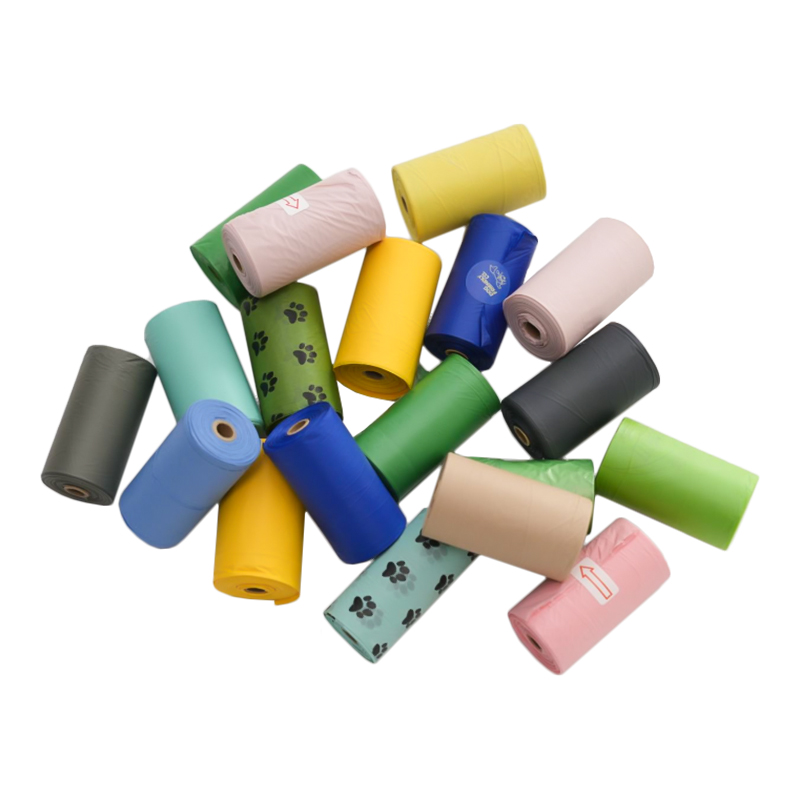
A fully biodegradable polyester modified material is highly suitable for these food-contact and short-term packaging applications. Modified biodegradable films are utilized to manufacture shopping bags, fresh produce wraps, and bread packaging, providing excellent breathability that prevents moisture buildup and extends the shelf life of fresh food items.
In the agricultural sector, modified biodegradable films are used to produce mulch films that are laid over soil beds to regulate temperature and conserve water. Unlike traditional polyethylene mulch films that must be manually removed and disposed of at the end of the growing season, biodegradable agricultural films can be plowed directly into the soil, where they decompose completely into organic matter, saving significant labor costs and preventing soil contamination.
Traditional polyester is the dominant fiber in the global textile industry, valued for its strength, wrinkle resistance, and rapid drying characteristics. However, synthetic polyester garments shed millions of microscopic plastic fibers during wash cycles, which pass through municipal wastewater treatment systems and enter aquatic food chains.
To address this issue, textile manufacturers are integrating fully biodegradable polyester modified materials into their yarn spinning operations. These modified fibers can be processed on standard textile looms to produce apparel with a soft touch, excellent moisture-wicking properties, and high color fastness. If these biodegradable garments are discarded or shed fibers during washing, the material degrades naturally in soil and marine environments, reducing the accumulation of synthetic microplastics in the biosphere.
In the durable goods sector, modified biodegradable plastics are increasingly used to manufacture consumer electronics enclosures, office supplies, and children toys, providing a sustainable alternative to traditional high-impact plastics.
Transitioning from traditional polyester to a fully biodegradable polyester modified material requires careful adjustments to manufacturing equipment and processing parameters. Because biodegradable polymers exhibit different thermodynamic properties and viscosity behaviors in a molten state, operating with standard PET settings can lead to material degradation and product defects.
Traditional polyester requires high processing temperatures, often ranging between two hundred and sixty and two hundred and ninety degrees Celsius, to achieve the necessary melt flow for extrusion and injection molding operations. Fully biodegradable polyester modified materials, however, possess lower thermal stability and must be processed at significantly lower temperatures, typically between one hundred and eighty and two hundred and twenty degrees Celsius.
Exceeding these thermal limits can trigger thermal depolymerization, which breaks down the polymer chains, reduces the viscosity of the melt, and causes the material to turn yellow or emit smoke inside the barrel.
Furthermore, the shear sensitivity of biodegradable polyesters is generally higher than that of traditional PET. High shear forces generated by rapid screw rotation or restrictive gate designs in molds can cause localized overheating and molecular chain scission. To prevent shear-induced degradation, manufacturing technicians should utilize low-shear screw configurations with deep flight depths, reduce the screw rotation speed, and implement generous gate diameters in injection molds.
Optimizing these physical parameters ensures that the modified biodegradable polymer flows smoothly into the mold cavity or through the extrusion die without experiencing mechanical or thermal damage.
One of the most critical challenges when processing a fully biodegradable polyester modified material is its extreme sensitivity to moisture at high temperatures. Because these materials are engineered to undergo hydrolysis during degradation, any residual moisture present in the polymer pellets during melt processing will act as a reactant under the heat of the extruder barrel. This reaction causes rapid hydrolytic cleavage of the ester bonds, resulting in a dramatic loss of molecular weight, poor mechanical properties in the finished product, and surface defects such as silver streaks, bubbles, and brittle spots.
To eliminate the risk of hydrolytic degradation, the raw polymer pellets must undergo a rigorous drying process before they enter the feed throat of the processing machinery. While traditional PET also requires drying, biodegradable polyesters must be dried to exceptionally low moisture levels, often below two hundred parts per million.
This drying should be performed using high-performance desiccant dryers that circulate dry air with a dew point of minus forty degrees Celsius. The drying temperature must be carefully controlled, typically maintained between sixty and eighty degrees Celsius for several hours, to prevent the biodegradable pellets from softening, sticking together, and forming large clumps inside the hopper. By maintaining strict control over moisture levels, processing temperatures, and shear forces, manufacturers can successfully harness the environmental and mechanical benefits of fully biodegradable modified materials, delivering high-performance products that support a sustainable, circular economy.




+86 18101032584
No. 60-1, Jichuan East Road, HailingIndustrial Park, Hailing District, Taizhou City.


Copyright© Taizhou Huangyan Zeyu New Material Technology Co., Ltd. All Rights Reserved.
 Custom Fully Degradable Raw Material Manufacturers


 English
 Français
 Español
 Deutsch
 italiano