
The global transition toward sustainable packaging solutions has initiated a profound shift in material science, particularly within the sectors responsible for manufacturing carryout bags, agricultural films, and flexible retail wraps. For generations, synthetic polymers derived from crude oil refinement served as the undisputed standard for packaging due to their low cost, exceptional barrier properties, and physical durability. However, the environmental consequence of persistent synthetic waste has forced chemical engineers to develop alternatives that offer comparable performance during use but break down completely into natural elements after disposal.
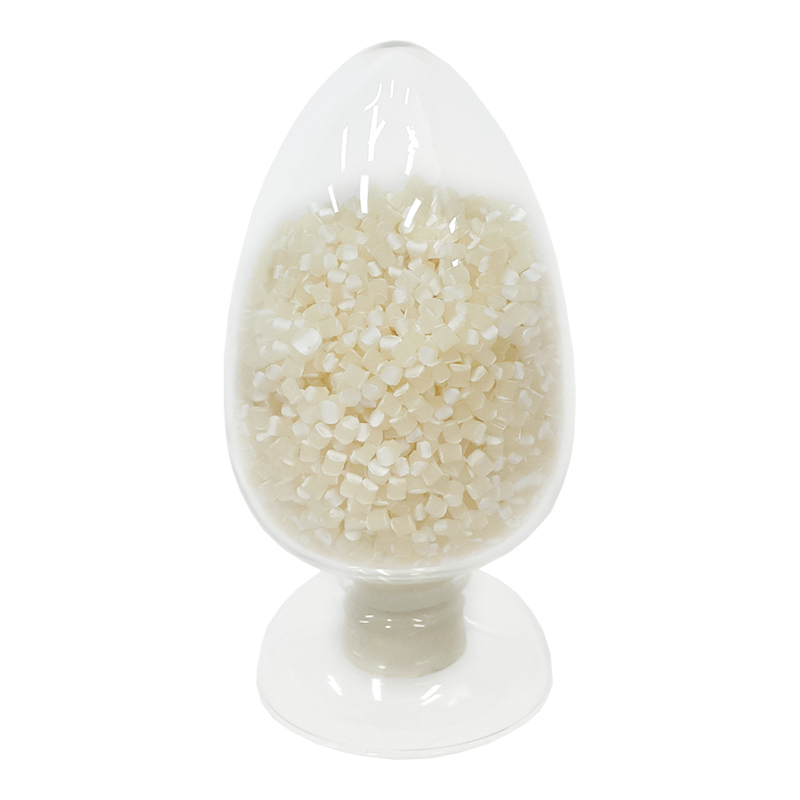
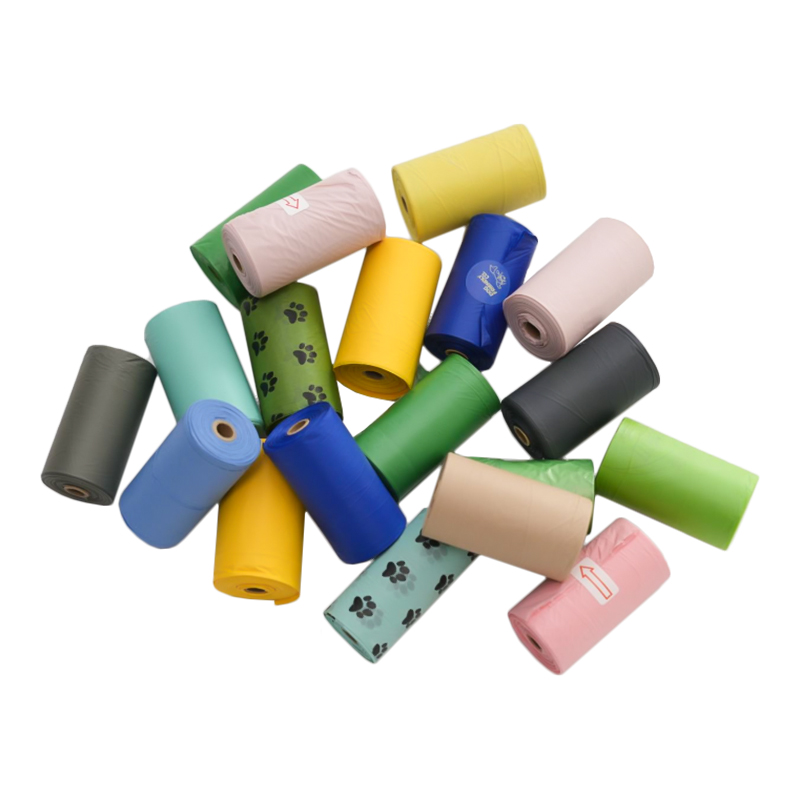
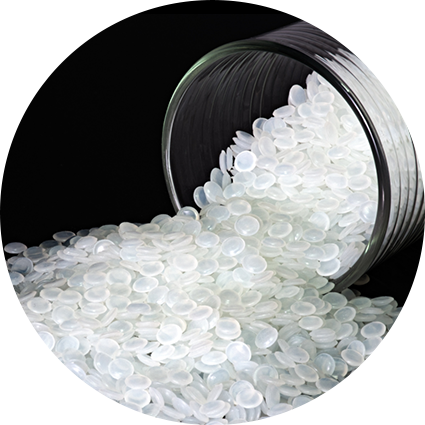
The successful creation of fully biodegradable eco friendly bags requires a sophisticated combination of bio based polymers, synthetic biodegradable polyesters, natural starches, and organic fillers. These materials are not merely substituted for traditional plastics, but they are carefully compounded to achieve specific mechanical and chemical properties. By examining the precise molecular structures, origin sources, blending ratios, and additive modifications of these sustainable materials, manufacturers can select the ideal formulations to meet both functional demands and environmental safety standards.
At the center of any bioplastic film is the core polymer matrix, which defines the physical strength, flexible behavior, and degradation velocity of the finished product. Unmodified natural materials are rarely capable of being processed into thin, durable films on their own, requiring the use of engineered biopolyesters to establish a strong, continuous molecular network.
Polylactic acid, which is commonly referred to as PLA, is one of the most widely utilized bio based polyesters in the sustainable packaging industry. This thermoplastic polymer is synthesized from renewable agricultural resources, typically through the fermentation of corn starch, cassava roots, or sugarcane. The fermentation process yields lactic acid, which is subsequently converted into lactide monomers before undergoing ring opening polymerization to form long, high molecular weight polylactic acid chains.
The chemical structure of PLA features repeating ester linkages along the polymer backbone, which are susceptible to chemical cleavage when exposed to moisture and warmth. From a mechanical perspective, pure PLA exhibits high tensile strength and excellent optical clarity, making it highly attractive for clear window films and rigid packaging components. However, the polymer has a high glass transition temperature and a rigid, crystalline molecular structure, which translates to extreme brittleness at room temperature.
Because pure PLA lacks the flexibility and tear resistance required for flexible shopping bags and trash liners, it is rarely utilized as a standalone material in these applications. Instead, chemical engineers treat PLA as a structural reinforcing agent within polymer blends, using its high stiffness to balance the softness of other biodegradable polymers.
To overcome the brittle nature of plant based polyesters, manufacturers rely heavily on polybutylene adipate terephthalate, widely known as PBAT. Unlike PLA, PBAT is a co-polyester synthesized from fossil fuel feedstocks, specifically through the polycondensation of adipic acid, 1,4-butanediol, and terephthalic acid. Despite its petroleum origin, the chemical design of PBAT allows it to undergo complete biological decomposition in municipal composting facilities.
The unique molecular structure of PBAT consists of flexible aliphatic chain segments combined with rigid aromatic rings. The aliphatic segments, which are comprised of adipic acid and butanediol, possess low chemical activation energy, making them highly accessible to biological enzymes and water molecules. The aromatic portion, derived from terephthalic acid, provides thermal stability and mechanical strength.
This structural combination yields a polymer with exceptional ductility, high impact strength, and an elongation at break that often exceeds five hundred percent. When blended with PLA, PBAT acts as a high performance toughening agent, creating a composite material that matches the flexible, weight bearing capabilities of traditional low density polyethylene bags.
Another critical polymer in the design of fully biodegradable eco friendly bags is polybutylene succinate, which is referred to as PBS. This aliphatic polyester is synthesized through the polycondensation of succinic acid and 1,4-butanediol, both of which can be sourced from either biological fermentation or traditional petroleum refinement, allowing manufacturers to adjust the bio based content of the material.
PBS is highly valued in the packaging industry for its balanced physical properties, which lie between the extreme stiffness of PLA and the excessive flexibility of PBAT. It possesses a relatively high melting point compared to other biodegradable polyesters, typically hovering around one hundred and fifteen degrees Celsius, which grants the material excellent thermal resistance.
This thermal stability is particularly useful for bags designed to carry warm food items or for agricultural mulch films exposed to intense summer sunlight. Furthermore, PBS exhibits good compatibility with natural fibers and starches, allowing for the creation of highly filled, cost effective compounds that maintain consistent barrier performance against water vapor and atmospheric oxygen.
While engineered polyesters provide the necessary physical network for flexible films, integrating natural reinforcements and organic fillers is an effective strategy for lowering production costs, increasing bio based content, and accelerating environmental degradation.
Thermoplastic starch, commonly known as TPS, represents one of the most economical and environmentally friendly materials used in the production of sustainable packaging. Native starch, harvested from crops such as corn, wheat, potatoes, and tapioca, is inherently crystalline and cannot be processed as a thermoplastic in its raw form. To convert it into a moldable material, the starch granules must undergo a process called gelatinization.
During gelatinization, raw starch is blended with plasticizers, which include glycerol and sorbitol, and subjected to high shear forces and elevated temperatures inside an extruder. This mechanical and thermal energy disrupts the hydrogen bonds within the starch granules, causing the molecular chains to untangle and form an amorphous, flowable material.
When blended with biodegradable polyesters like PBAT, TPS significantly reduces the overall raw material cost of the bag while increasing its renewable content. However, because starch is highly hydrophilic, a high concentration of TPS can make the finished bag sensitive to moisture, requiring careful optimization of the starch to polyester ratio to ensure the bag does not lose its structural integrity when exposed to humid environments.
In addition to plant based starches, mineral fillers play a vital role in the material formulation of fully biodegradable eco friendly bags. Natural calcium carbonate, talc, and kaolin clay are frequently incorporated into the polymer compounds during the melt blending phase. These mineral powders are finely ground to micro-scale or nano-scale particles before being introduced into the extruder.
Calcium carbonate acts as a highly effective physical nucleating agent, promoting the rapid formation of micro-crystals within the polymer matrix as the extruded film cools. This increased crystallinity improves the dimensional stability, tensile modulus, and tear resistance of the blown film, allowing for the manufacturing of thin walled bags that can support significant weight.
Furthermore, calcium carbonate is an alkaline material that can neutralize the acidic degradation byproducts of polyesters during composting, helping to maintain a balanced pH level in the soil. By substituting a portion of the expensive biopolymer matrix with abundant, non toxic mineral fillers, manufacturers can deliver high performance bags at a competitive market price.
Because fully biodegradable eco friendly bags are typically manufactured from a mixture of chemically distinct materials, such as polar starches and non polar polyesters, ensuring a uniform blend is a major engineering challenge. Without proper modifiers, the different phases will separate during extrusion, leading to weak spots and cosmetic defects in the finished film.
When biopolyesters are subjected to the high heat and mechanical shear forces inside manufacturing machinery, the long polymer chains can experience thermal degradation, which reduces their molecular weight and melt strength. This degradation is particularly problematic during the blown film extrusion process, where a stable, highly elastic polymer bubble must be maintained to achieve a uniform film thickness.
To counteract this molecular breakdown, chemical formulators introduce reactive chain extenders into the biopolymer compound. These additives typically contain multiple epoxy, maleic anhydride, or isocyanate functional groups that can react quickly with the carboxyl and hydroxyl end groups of the degrading polyester chains. By chemically linking the broken polymer fragments back together in the molten state, chain extenders increase the viscosity, elasticity, and melt strength of the polymer compound. This molecular reconstruction ensures that the film can be blown to thin gauges on high speed industrial equipment without experiencing bubble instability or premature tearing.
To prevent the gradual embrittlement of starch based bioplastics over time, plasticizers are added to the material formulation. These low molecular weight compounds sit between the long polymer chains, increasing the free volume and molecular mobility within the plastic matrix. Common plasticizers used in fully biodegradable bags include glycerol, sorbitol, citric acid esters, and epoxidized vegetable oils.
These modifiers lower the glass transition temperature of the polymer blend, making the material soft and flexible at room temperature and under cold storage conditions. This flexibility is essential for products like organic waste bin liners, which must stretch to accommodate bulky and heavy waste items without splitting. By carefully selecting biodegradable, non toxic plasticizers, manufacturers can maintain a long, stable shelf life for the bags while ensuring that the additives do not leach harmful chemical residues into the soil during the biodegradation phase.
The selection of specific biopolymers and fillers determines how the resulting bag behaves during storage, active use, and disposal. The table below outlines the qualitative characteristics of the primary materials used in these sustainable packaging systems, highlighting their mechanical behavior, moisture sensitivity, resource origins, and primary decomposition pathways.
|
Material Component |
Resource Base Origin |
Structural Flexibility |
Hydrolysis Sensitivity |
Primary Degradation Pathway |
|---|---|---|---|---|
|
Polylactic Acid |
Renewable agricultural starches |
Very low, stiff and brittle |
Moderate, initiates in warm and damp environments |
Abiotic hydrolysis followed by microbial digestion |
|
Polybutylene Adipate Terephthalate |
Non renewable crude oil feedstocks |
Exceptional, highly ductile |
High, active in compost settings |
Enzymatic cleavage by soil bacteria and fungi |
|
Polybutylene Succinate |
Bio based or petroleum monomers |
Balanced, moderate rigidity |
Low to moderate, stable at high temperatures |
Microbial assimilation under composting conditions |
|
Thermoplastic Starch |
Natural plant starches and polyols |
High, soft and pliable |
Very high, absorbs moisture rapidly |
Fast biological dissolution and microbial metabolism |
Transitioning from traditional polyethylene resins to fully biodegradable materials requires specific adjustments to manufacturing equipment and operational parameters, as biopolyesters exhibit different thermodynamic behaviors in a molten state.
One of the most critical challenges when processing biodegradable polyester materials is their extreme sensitivity to moisture at elevated temperatures. Because these polymers are engineered to undergo chemical hydrolysis as their initial stage of degradation, any residual moisture present within the raw polymer pellets during extrusion will act as a reactant inside the heated barrel of the machine.
Under the high temperatures and pressures of the extruder, moisture causes rapid hydrolytic cleavage of the ester bonds along the polymer backbone, leading to a dramatic reduction in molecular weight and melt viscosity. This molecular damage manifests as a weak, unstable film bubble, surface bubbles, silver streaks, and brittle spots in the finished bag. To eliminate this risk, processing technicians must dry the raw biopolymer pellets to extremely low moisture levels, often below two hundred parts per million, prior to processing. This drying is typically performed using high performance desiccant dryers that circulate dry air with a low dew point, ensuring the material remains chemically stable as it enters the melt stream.
Biopolymers generally possess lower thermal stability and lower melting points compared to traditional synthetic plastics like low density polyethylene. For example, a typical PBAT and PLA blend operates within a melt temperature range of one hundred and fifty to one hundred and eighty degrees Celsius, which is significantly lower than the temperatures used for standard polyolefins.
Exceeding these thermal limits can trigger thermal depolymerization, causing the polymer to discolor, emit fumes, and lose its mechanical strength. Furthermore, the molecular structures of biopolyesters are highly sensitive to shear-induced degradation. High shear forces generated by rapid screw rotation or restrictive die gaps can cause localized heating and mechanical chain scission. To prevent this degradation, manufacturing facilities utilize specialized low shear screw designs with deep flight depths, reduce the rotational speed of the extruder, and install wider die gaps, allowing the sensitive biopolymer melt to flow smoothly and solidify into a strong, uniform, and highly resilient biodegradable film.




+86 18101032584
No. 60-1, Jichuan East Road, HailingIndustrial Park, Hailing District, Taizhou City.


Copyright© Taizhou Huangyan Zeyu New Material Technology Co., Ltd. All Rights Reserved.
 Custom Fully Degradable Raw Material Manufacturers


 English
 Français
 Español
 Deutsch
 italiano