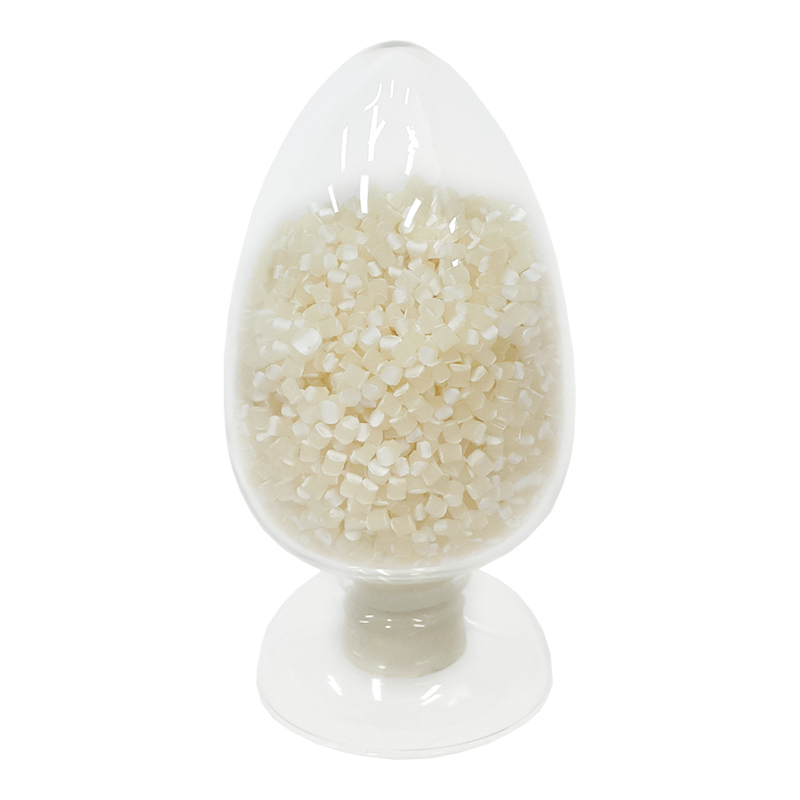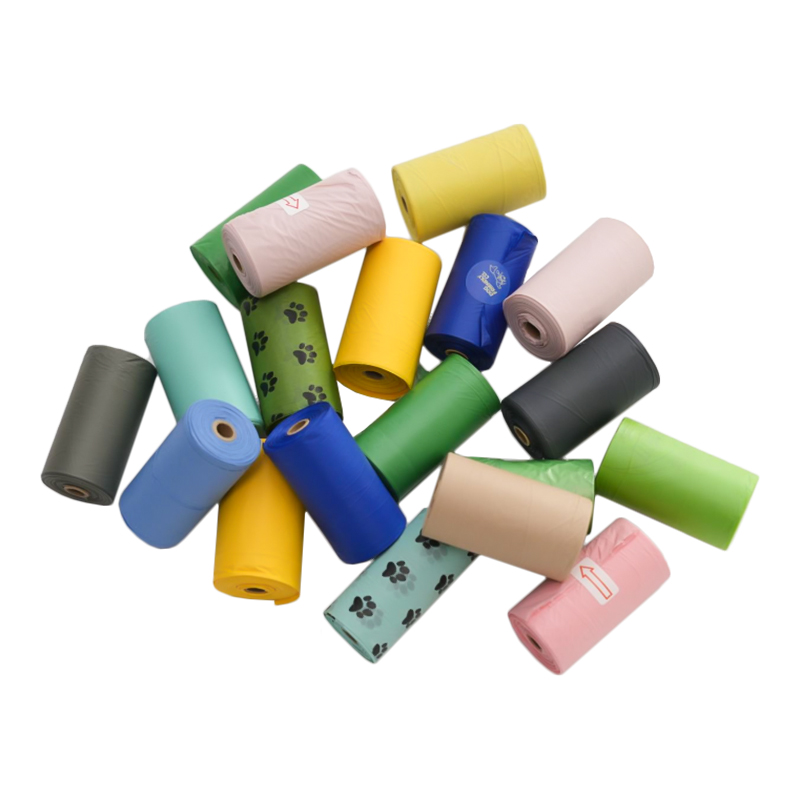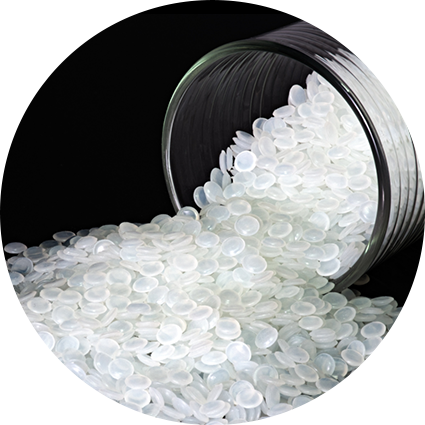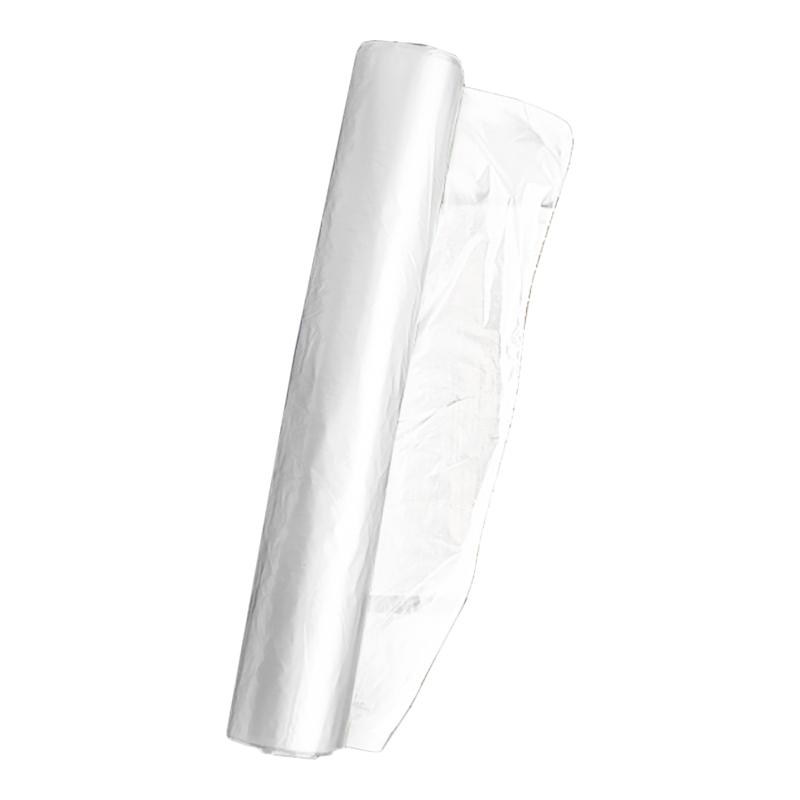

The global packaging industry is undergoing a profound transition as packaging designers and retail sectors seek to reconcile high performance material requirements with ecological responsibility. For decades, synthetic polyethylene bags have served as a foundational material for retail, grocery carryout, agricultural film, and waste management due to their exceptional strength, chemical resistance, and cost effectiveness. However, the environmental persistence of traditional petroleum based plastics has created an urgent demand for sustainable alternatives that can degrade naturally without leaving harmful chemical residues in the biosphere.
Among these emerging alternatives, fully biodegradable eco friendly bags represent a major milestone in green polymer engineering. This class of packaging materials combines the chemical advantages of biodegradable polyesters with targeted modifications designed to match the mechanical and tensile performance of traditional polymers. By analyzing the underlying molecular structures, environmental degradation pathways, mechanical characteristics, and processing dynamics of these sustainable bag systems, manufacturers and consumers can make informed decisions that support both environmental stewardship and product integrity.
To evaluate the practical value of modern sustainable packaging, it is first necessary to establish clear definitions and examine the chemical structures that allow certain materials to undergo complete biological breakdown. The terms biodegradable, compostable, and degradable are frequently utilized in marketing campaigns, yet they represent vastly different scientific realities.
Fully biodegradable eco friendly bags are packaging systems designed to undergo complete biological decomposition when exposed to natural environments or commercial composting systems. Unlike traditional plastic bags that are manufactured from non renewable crude oil refining feedstocks, these sustainable bags are typically synthesized from renewable agricultural sources or specifically engineered aliphatic polyesters.
The defining characteristic of fully biodegradable eco friendly bags is their ability to break down completely into natural elements. This means that after disposal, the material must be fully converted by microbial organisms into carbon dioxide, water, and organic biomass. It is critical to distinguish these bags from oxo degradable plastics. Oxo degradable bags are traditional polyethylene bags mixed with chemical additives that accelerate fragmentation when exposed to ultraviolet radiation and heat. This fragmentation does not result in biological assimilation, but instead produces millions of microscopic plastic particles that persist in soil and marine ecosystems. Fully biodegradable bags, however, undergo true organic assimilation, leaving zero persistent microplastics or toxic chemical residues behind in the biosphere.
At the molecular level, the physical behavior of any plastic material is a direct consequence of its atomic arrangements and intermolecular forces. Traditional plastics utilize a backbone of long carbon chains with highly stable covalent bonds that biological enzymes cannot easily cleave. In contrast, fully biodegradable eco friendly bags utilize bio based polymers with backbones designed specifically to facilitate chemical and biological breakdown.
The most common base polymers utilized in the manufacturing of these bags are polylactic acid, which is commonly referred to as PLA, and polybutylene adipate terephthalate, widely known as PBAT. Polylactic acid is a bio based thermoplastic polyester derived from fermented plant starch, typically corn or sugarcane. The synthesis of PLA involves the ring opening polymerization of lactide monomers, resulting in a polymer chain with the repeating chemical structure:
Because pure PLA is highly rigid and brittle, it is rarely used alone for flexible bag applications. Instead, chemical engineers blend PLA with PBAT, which is an aliphatic aromatic copolyester engineered to balance flexibility with degradability. PBAT contains flexible aliphatic segments that possess lower chemical activation energy compared to the aromatic rings of traditional plastics, making the resulting blended material highly susceptible to microbial and chemical cleavage while maintaining excellent ductility.
[Image: Molecular Structure of Aliphatic Polyesters Used in Flexible Bags]
The environmental impact of a packaging material is defined by its behavior at the end of its useful lifespan. The divergence in degradation pathways between traditional synthetic plastics and modified biodegradable alternatives highlights the contrast between persistent synthetic waste and circular biological materials.
The degradation of fully biodegradable eco friendly bags is a highly efficient, multi stage process that begins with abiotic hydrolysis. When the bag is disposed of and exposed to moisture and heat, water molecules begin to penetrate the polymer matrix. These water molecules attack the ester bonds in the aliphatic polyester backbone, cleaving the long polymer chains into smaller oligomers and monomers.
This initial stage significantly reduces the molecular weight of the material, causing the bag to lose its physical strength and disintegrate into small, fragile pieces. The hydrolysis of the ester linkages can be chemically represented by the following reaction, where an ester group reacts with water to form a carboxylic acid and an alcohol:
As this reaction progresses throughout the polymer structure, the physical barrier of the plastic collapses, allowing microorganisms to access the lower molecular weight chemical fragments. Because this stage is primarily driven by moisture and temperature, the rate of fragmentation can vary significantly depending on the humidity and warmth of the surrounding environment.
Once the molecular weight of the polymer has decreased sufficiently through hydrolysis, the second stage of biodegradation begins, driven by the action of naturally occurring microorganisms such as bacteria, fungi, and actinomycetes. These microbes secrete extracellular enzymes, including lipases and esterases, which cleave the remaining chemical bonds of the oligomers.
The microorganisms absorb the resulting low molecular weight monomers as a carbon source for their metabolic processes. Inside the microbial cells, these carbon structures are metabolized through cellular respiration, converting the polymer into carbon dioxide, water, and organic biomass. The complete mineralization process under aerobic conditions can be represented by the following simplified metabolic pathway:
This stage ensures that the carbon originally stored in the polymer is returned to the natural carbon cycle, leaving behind zero toxic residues or synthetic microplastics in the soil or aquatic systems.
The speed at which fully biodegradable eco friendly bags undergo complete biological decomposition is highly dependent on environmental variables, including temperature, moisture levels, oxygen availability, and microbial density. Under standard industrial composting conditions, which typically maintain temperatures around fifty-eight degrees Celsius and high relative humidity, a certified fully biodegradable bag can undergo complete biological decomposition within one hundred and eighty days.
However, if these bags are discarded in cold, dry, or anaerobic environments, the rate of degradation slows down significantly. In a standard landfill, the lack of oxygen and moisture prevents aerobic microorganisms from thriving, which can cause even highly biodegradable materials to persist for several years. Similarly, in marine environments where temperatures are low and microbial concentration is different from soil, the degradation process occurs at a much slower rate compared to compost facilities, highlighting the importance of proper disposal infrastructure to realize the full environmental benefits of these materials.
For any sustainable packaging material to succeed as a replacement for traditional plastics, it must deliver comparable mechanical and physical properties during its phase of active use. Industrial designers must carefully evaluate these attributes to ensure that fully biodegradable eco friendly bags can support the required physical loads and environmental conditions of the finished product.
Fully biodegradable eco friendly bags exhibit a highly customizable mechanical profile depending on the specific blending ratios of the base polymers and the introduction of organic compatibilizers. Unmodified starch or pure polylactic acid lacks the necessary flexibility and impact toughness required for carryout bags, but blending these materials with ductile copolyesters like PBAT results in a compound with excellent tensile strength and elongation at break.
These modified biodegradable materials can withstand significant tensile forces without undergoing permanent deformation, allowing manufacturers to produce thin walled grocery bags and heavy duty trash liners. The material also possesses excellent tear resistance, ensuring that the bag does not split or puncture when loaded with heavy or sharp items. This balanced mechanical performance allows fully biodegradable bags to compete directly with traditional high density polyethylene bags, providing consumers with a reliable, weight bearing packaging solution that does not compromise on functional performance.
The inherent sensitivity of biodegradable polyesters to moisture and heat presents unique challenges regarding shelf life and storage. Because these bags are engineered to undergo hydrolysis when exposed to moisture, they are naturally more hydrophilic than traditional petroleum based plastics, which repel water entirely.
Standard fully biodegradable eco friendly bags can safely hold moist items and withstand exposure to rain for short durations without losing their structural integrity. However, prolonged exposure to liquid water or storage in highly humid environments can initiate the first stages of chemical hydrolysis, leading to a gradual decline in tensile strength over time. To manage these constraints, manufacturers carefully control the crystallization behavior of the polymer blends and introduce organic moisture barriers, ensuring the bags maintain a stable shelf life of twelve to eighteen months when stored under proper conditions, while still preserving their capacity to undergo rapid biological decomposition once discarded.
To assist retail managers and environmental coordinators in selecting the most appropriate packaging materials for their specific functional and sustainability requirements, the table below outlines the core differences between traditional, oxo degradable, and fully biodegradable bag systems across several key performance areas.
|
Performance Attribute |
Traditional Polyethylene Bags |
Oxo Degradable Plastic Bags |
Fully Biodegradable Eco Friendly Bags |
|---|---|---|---|
|
Primary Resource Base |
Non renewable crude oil refining feedstocks |
Non renewable petroleum with metal salt additives |
Renewable agricultural starches and bio based monomers |
|
Environmental Longevity |
High persistence, lasting hundreds of years in ecosystems |
Fragments quickly but persists as microplastics |
Complete biological decomposition within months |
|
Hydrolysis Susceptibility |
Extremely low due to dense non polar carbon chains |
Low, requires ultraviolet light to initiate oxidation |
High, initiates degradation in humid and warm settings |
|
Typical Disposal Method |
Landfill burial or high temperature incineration |
Landfill burial, not suitable for composting |
Industrial composting or organic waste processing |
|
Tensile Strength and Rigidity |
High tensile strength and rigid structural behavior |
High tensile strength matching standard polyethylene |
High and customizable through targeted polymer blending |
|
Production Carbon Footprint |
High greenhouse gas emissions during oil synthesis |
High carbon emissions during chemical manufacturing |
Low carbon emissions and reduced fossil energy usage |
|
Processing System Demands |
Standard high temperature extrusion setups |
Standard high temperature extrusion setups |
Requires lower temperatures and strict moisture control |
The unique combination of mechanical strength and environmental degradability has made fully biodegradable eco friendly bags highly valuable across a wide variety of commercial, industrial, and agricultural sectors, providing a sustainable solution for single use plastic waste.
The retail and grocery sectors are the largest generators of single use plastic bag waste globally, making them primary targets for the integration of fully biodegradable eco friendly bags. Traditional checkout bags are frequently discarded after a single use, and because they are lightweight and aerodynamic, they easily escape waste collection systems to litter natural landscapes and marine ecosystems.
Fully biodegradable checkout bags provide an identical level of convenience and strength for consumers while eliminating the long term environmental hazards. These bags can be custom printed with organic inks to display brand logos and sustainability certifications, helping retail brands demonstrate a direct commitment to environmental stewardship. After use, these checkout bags can double as organic waste bin liners in households, providing a convenient way to collect food scraps and transfer them directly to composting bins without needing to separate the plastic carrier.
In the agricultural sector, plastic films are widely used to cover soil beds to regulate temperature, conserve water, and prevent weed growth, a process known as plastic mulching. Traditional polyethylene mulch films must be manually removed from the fields at the end of the growing season, a labor intensive and costly process that often leaves behind fragmented plastic residues that contaminate the soil.
Fully biodegradable agricultural films and bags solve this issue completely. These specialized bio based films can be plowed directly into the soil along with the crop residues at the end of the season. Under the action of soil microorganisms and moisture, the agricultural film decomposes completely into organic matter, saving significant labor costs while preventing soil degradation and protecting the long term fertility of the farmland. In municipal organic waste management, large scale biodegradable bags are also utilized to collect leaves, grass clippings, and yard waste, allowing waste processors to shred and compost the entire bag assembly without pre sorting.
Achieving consistent performance and realizing the full environmental benefits of fully biodegradable eco friendly bags requires proper storage conditions before use and correct disposal routing at the end of their lifespan.
Because fully biodegradable eco friendly bags are sensitive to moisture, heat, and ultraviolet radiation, they must be handled and stored with care to prevent premature degradation. If raw boxes of biodegradable bags are left in damp warehouses, exposed to direct sunlight, or kept in temperatures exceeding forty degrees Celsius, the molecular structure can begin to weaken before the bags are ever deployed.
To preserve the mechanical properties and maximize the shelf life of the bags, warehouse operators should store them in their original, sealed cardboard packaging in a cool, dry, and well ventilated space. The storage temperature should ideally be maintained between fifteen and twenty-five degrees Celsius, with relative humidity levels kept below fifty percent. The storage area must also be completely shielded from direct sunlight and artificial ultraviolet light sources. By maintaining strict control over these environmental storage parameters, distributors can guarantee that the bags perform reliably and maintain their original weight bearing capacity when delivered to retail outlets and end users.
The environmental utility of fully biodegradable eco friendly bags is fully realized only when they are routed to the correct disposal channels. Many consumers assume that biodegradable bags can be placed in standard plastic recycling bins, but this is a critical mistake. Biodegradable polyesters possess a different melting point and chemical composition compared to traditional recyclable plastics like high density polyethylene or polyethylene terephthalate. If biodegradable bags enter the mechanical recycling stream, they will melt at lower temperatures inside the extruders, contaminating the recycled resin batches and rendering the resulting material brittle and unusable.
The ideal disposal pathway for fully biodegradable bags is through commercial composting programs or municipal organic waste collection systems. These facilities maintain the precise combinations of high temperature, constant moisture, and oxygen required to facilitate rapid enzymatic breakdown by thermophilic microorganisms. If commercial composting is not available in a local municipality, the bags should be routed to dedicated organic waste processors or, as a secondary option, home composting bins if the specific bag compound is certified for home biodegradation. By educating consumers on proper sorting and routing, communities can ensure that these sustainable materials are successfully returned to the earth as rich organic biomass, supporting a circular, carbon neutral economy.




+86 18101032584
No. 60-1, Jichuan East Road, HailingIndustrial Park, Hailing District, Taizhou City.


Copyright© Taizhou Huangyan Zeyu New Material Technology Co., Ltd. All Rights Reserved.
 Custom Fully Degradable Raw Material Manufacturers


 English
 Français
 Español
 Deutsch
 italiano