
The standard kitchen garbage bag size in North America is 13 gallons (approximately 49 liters), which fits the most commonly sold kitchen trash can with a roughly 13 to 14 gallon capacity. In Europe and metric markets, 30 to 50 liter bags are standard for kitchen waste bins. Selecting the correct size is a practical necessity because a bag that is too small tears when overfilled, and a bag that is too large slips down into the bin and creates hygiene problems.
On the environmental side, the answer to what does the term biodegradable mean is more complex than the label implies. Biodegradable meaning covers a very wide range of materials and timescales, from bags that break down in weeks under composting conditions to bags that persist for decades in landfill while technically meeting some legal definitions of biodegradable. The genuinely eco-friendly choice among Fully Biodegradable Eco-Friendly Bags is a product certified to ASTM D6400 or EN 13432 for composting, not merely labeled with the word biodegradable without further qualification. This distinction between biodegradable vs compostable plastic bags is the single most important thing consumers and businesses need to understand before purchasing Fully Degradable Plastic Products for household or commercial use.
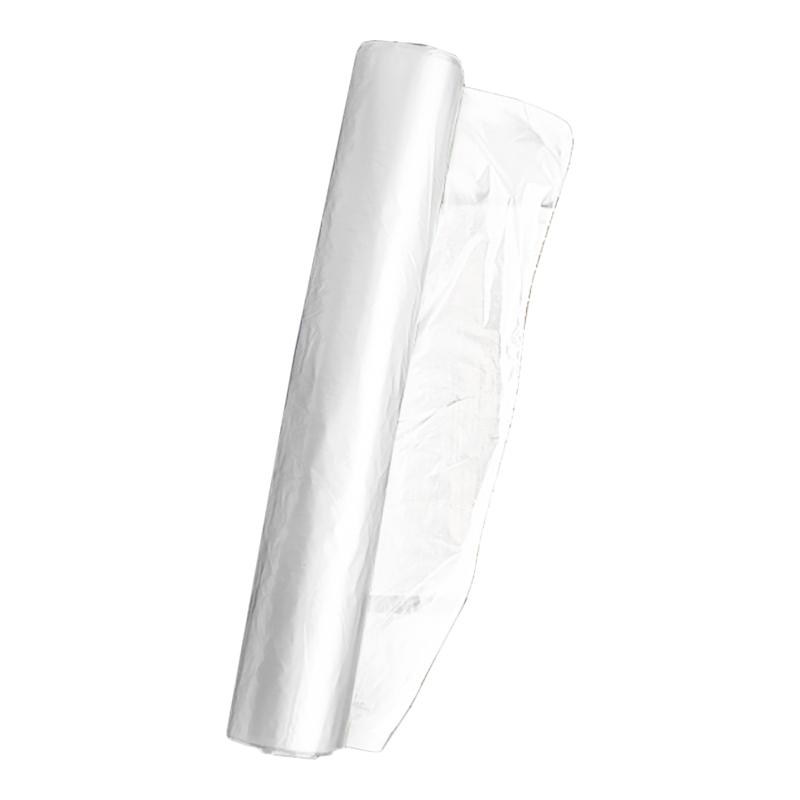
Choosing the correct standard kitchen garbage bag size requires knowing two things: the volume of the bin you are lining, and the bag dimensions that correspond to that volume. Most manufacturers size their bags by volume in gallons (US) or liters (metric), but the bag dimensions printed on the packaging are the definitive specification because bags of the same labeled volume from different manufacturers can have different proportions that affect how well they fit specific bin shapes.
In the United States and Canada, kitchen garbage bags are sold by the gallon equivalent of their intended bin capacity. The sizing conventions that have become industry standards are:
In European, Australian, and most Asian markets, kitchen garbage bags are sized in liters rather than gallons. The standard kitchen garbage bag size conventions in these markets are:
| Bag Volume | Typical Dimensions (cm) | Intended Bin Size | Common Application |
|---|---|---|---|
| 10 liters | 35 x 45 cm | 8 to 10 L bin | Bathroom, desk, small caddy |
| 20 liters | 45 x 55 cm | 18 to 22 L bin | Small kitchen pedal bin |
| 30 liters | 50 x 60 cm | 25 to 30 L bin | Standard kitchen pedal bin (EU) |
| 50 liters | 60 x 75 cm | 45 to 50 L bin | Large kitchen bin, office |
| 60 liters | 65 x 80 cm | 55 to 65 L bin | Commercial kitchen, catering |
| 120 liters | 70 x 110 cm | 120 L wheelie bin | Residential outdoor bin liner |
Bag volume ratings are nominal and bag dimensions vary between manufacturers even at the same labeled volume. To confirm the right standard kitchen garbage bag size for any bin:
The question of what does the term biodegradable mean deserves a careful and honest answer because the word is used in product marketing in ways that often imply a much more favorable environmental outcome than the scientific reality supports. Understanding both the scientific and legal biodegradable meaning allows consumers and procurement managers to distinguish genuine environmental performance from greenwashing.
In strict scientific terms, biodegradable meaning refers to the capacity of a material to be chemically broken down by living organisms, primarily bacteria and fungi, through metabolic processes that convert the material's molecular structure into simpler compounds. The primary end products of aerobic (oxygen-present) biodegradation are carbon dioxide, water, and biomass (the microbial cell mass that grows while consuming the material). Under anaerobic (oxygen-absent) conditions such as those in a landfill, biodegradation also produces methane gas.
By this scientific definition, virtually every organic material is biodegradable given enough time and the right microbial conditions. The important practical question is not whether a material is biodegradable but under what conditions and in what timeframe it degrades. A conventional polyethylene plastic bag will eventually be consumed by soil microorganisms over hundreds to thousands of years as ultraviolet radiation first breaks the polymer chains into smaller fragments. Under the broadest scientific definition, this qualifies as biodegradation. But it clearly does not represent the rapid, benign decomposition that consumers expect when they see a biodegradable label on a product.
Because the scientific definition of biodegradable is so broad as to be nearly meaningless for consumer product labeling purposes, regulatory bodies in multiple markets have developed legal frameworks that impose specific requirements on what claims can be made on packaging:
The practical consequence of these regulatory frameworks is that a genuinely trustworthy biodegradable claim must be backed by specific test data showing breakdown within a defined timeframe under conditions that represent the actual disposal environment the product will enter. A product that biodegrades in 60 days in industrial composting conditions but persists for decades in landfill is not providing meaningful environmental benefit to the vast majority of consumers whose waste ends up in landfill rather than composting facilities.
The biodegradable vs compostable plastic bags distinction is the most consequential labeling question in the sustainable packaging market and the most misunderstood by the majority of consumers. The terms sound similar and are frequently used interchangeably in casual conversation, but they describe fundamentally different performance standards with very different real-world implications for the environmental benefit actually delivered.
A compostable bag meets four specific performance criteria that a merely biodegradable bag does not have to satisfy:
A biodegradable bag may meet none of these four compostable criteria and still legally carry a biodegradable label in most markets. This is the core of the biodegradable vs compostable plastic bags distinction: compostable is a much more specific, verifiable, and consumer-meaningful standard than biodegradable when it comes to bags and packaging materials used in organic waste collection and food service applications.
| Environment | Conventional Plastic Bag | Biodegradable (unspecified) | Compostable (ASTM D6400) | Home Compostable (OK Compost HOME) |
|---|---|---|---|---|
| Industrial composting | Does not break down | Variable (may or may not) | 90% breakdown in 180 days | 90% breakdown in 180 days |
| Home compost bin | Does not break down | Variable (often years) | May take 1 to 5 years | 90% breakdown in 12 months |
| Landfill | 450 to 1,000 years | Decades or centuries | Decades or longer | Decades or longer |
| Soil | Centuries | Variable | Months to years | Months to years |
| Ocean | Centuries | Variable | May persist long-term | May persist long-term |
One of the most important things to understand in the biodegradable vs compostable plastic bags debate is the existence of oxo-degradable plastics, which are conventional polyethylene plastics containing pro-oxidant additives that cause the plastic to fragment into small pieces under UV light or heat exposure. These products are widely marketed as biodegradable, but they do not biodegrade in the biological sense. The fragments they produce are microplastics that accumulate in soil and water, and the microbial community in most environments cannot effectively metabolize these petrochemical polymer fragments within any meaningful timeframe.
The European Union banned oxo-degradable plastics under Single-Use Plastics Directive 2019/904 specifically because scientific evidence demonstrated they contribute to microplastic pollution rather than solving it. When evaluating Fully Biodegradable Eco-Friendly Bags or Fully Degradable Plastic Products, buyers should explicitly verify that the product does not use oxo-additive technology by asking for the material composition and checking that the product carries third-party certification to ASTM D6400, EN 13432, or equivalent standards that specifically exclude oxo-degradable materials from certification.
Fully Degradable Plastic Products is a commercial category term used to describe packaging and bags made from materials that are engineered to break down completely after use, leaving no persistent plastic residues in the environment. The "fully" qualifier is intended to distinguish these products from conventional plastics (which do not fully degrade) and from oxo-degradable plastics (which fragment but do not fully biodegrade). However, the term Fully Degradable Plastic Products is not standardized by international testing and certification organizations in the same way that "compostable" is defined by ASTM D6400 and EN 13432, which means buyers need to look beyond the label to the underlying material certification.
Genuine Fully Degradable Plastic Products are manufactured from one or more of the following bioplastic or biodegradable polymer families:
The certifications that provide credible independent validation of Fully Degradable Plastic Products environmental claims are:
Fully Biodegradable Eco-Friendly Bags represent the highest-commitment category in sustainable consumer packaging, where the buyer's intent is to select a product that genuinely reduces environmental harm compared to conventional plastic alternatives. Making this choice correctly requires going beyond green-labeled marketing to evaluate the specific material, certification, and end-of-life pathway that applies to the specific product being considered in the specific waste management context where it will be used.
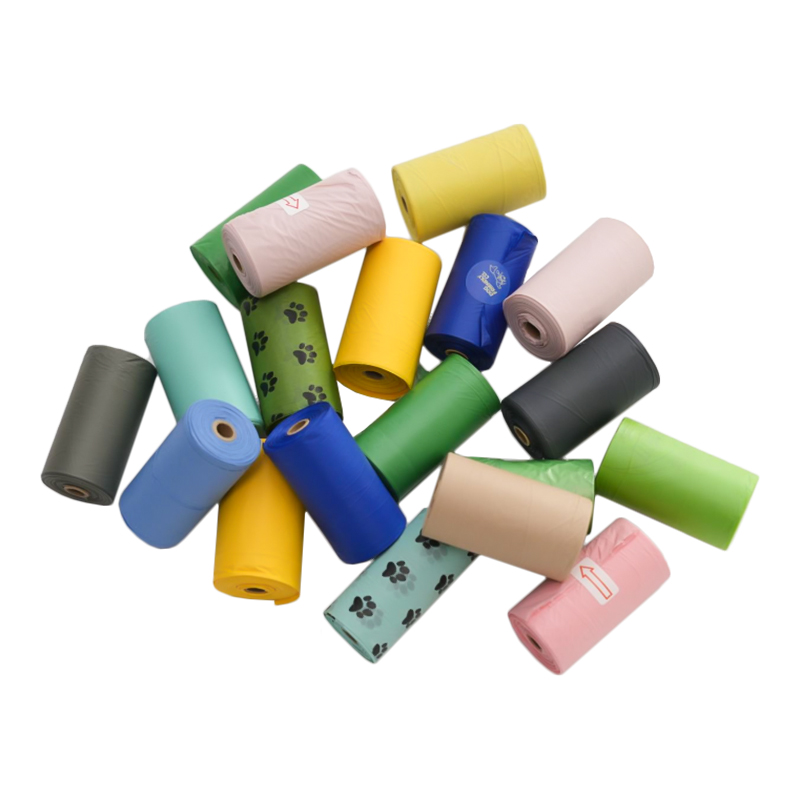
Different household waste collection applications have different requirements for the Fully Biodegradable Eco-Friendly Bags that serve them best:
Biodegradability is only one dimension of the environmental profile of Fully Biodegradable Eco-Friendly Bags. A complete environmental assessment also considers the carbon footprint of production, the land and water use associated with bioplastic crop feedstocks, and the energy intensity of industrial composting versus landfill disposal. Understanding this fuller picture prevents oversimplification that treats all biodegradable bags as automatically superior to conventional alternatives in every environmental dimension.
Life cycle assessment data for PLA and PBAT bioplastics compared to conventional polyethylene shows that:
The environmental benefit of Fully Biodegradable Eco-Friendly Bags is maximized when they enable the capture of organic waste for composting that would otherwise go to landfill. When a certified compostable bag enables one kilogram of food waste to be composted instead of landfilled, it prevents approximately 0.8 to 1.2 kg of methane-equivalent greenhouse gas from being produced in the anaerobic landfill environment, which represents a climate benefit many times larger than the production carbon footprint reduction from using bioplastic instead of conventional plastic for the bag itself.
The standard kitchen garbage bag size for the most common US kitchen trash can is 13 gallons (approximately 49 liters). The 13-gallon kitchen trash can is the highest-volume residential bin size sold in the United States, and the 13-gallon bag with approximate dimensions of 24 by 27 to 30 inches is correspondingly the highest-volume household bag size in the US market. For a correctly fitting bag, choose a 13-gallon bag with a height at least 4 inches taller than your specific can to ensure sufficient overhang to prevent the bag from being pulled into the can by the weight of waste.
What does the term biodegradable mean scientifically is that a material can be broken down by living microorganisms into simpler compounds including water, carbon dioxide, and biomass. The problem is that this process can take anywhere from weeks to thousands of years depending on the specific material and the disposal environment, and the label provides no information about which end of that range applies. Under US FTC Green Guides, biodegradable claims should reflect breakdown within approximately one year under typical disposal conditions, but enforcement is inconsistent and many products labeled biodegradable do not meet this standard in practice. Always look beyond the biodegradable label to a specific third-party certification such as BPI (ASTM D6400) or TUV Austria OK Compost for a genuinely meaningful environmental performance claim.
In biodegradable meaning terms, industrial compostable bags break down within 180 days at 55 to 65 degrees Celsius in a managed composting facility with controlled aeration and moisture. Home compostable bags (certified to OK Compost HOME or AS 5810) break down within 12 months at the lower temperatures and less controlled conditions of a home compost bin (typically 15 to 35 degrees Celsius). The environmental benefit is only realized through the appropriate pathway: industrial compostable bags provide little benefit if no industrial composting facility accepts them, and home compostable bags are more accessible to households that compost garden and kitchen waste at home.
In the biodegradable vs compostable plastic bags comparison, compostable is a subset of biodegradable that requires meeting specific performance criteria: 90% breakdown within 180 days in industrial composting, no visible fragments after composting, safe decomposition residues that do not harm plant growth, and low heavy metal content. A biodegradable bag may meet none of these criteria and still carry the biodegradable label if it eventually breaks down over any timeframe under any conditions. All compostable bags are biodegradable, but the vast majority of biodegradable bags are not compostable by the specific test requirements of ASTM D6400 or EN 13432.
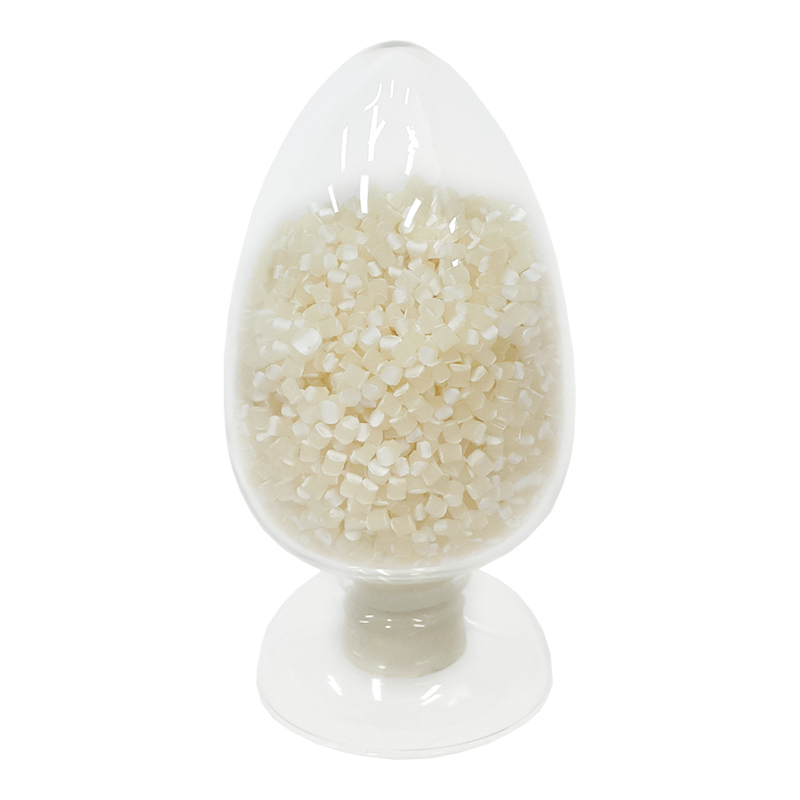
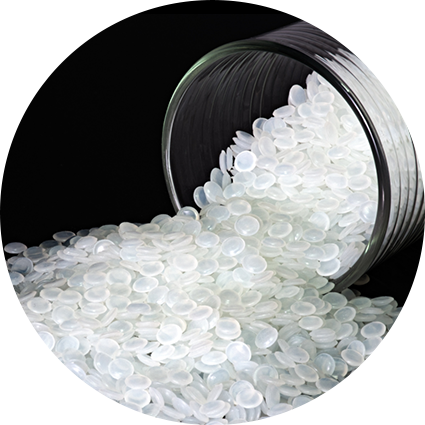
Genuine Fully Degradable Plastic Products are manufactured from bioplastic or biodegradable polymer systems including PLA (polylactic acid, from corn or sugarcane), PBAT (polybutylene adipate terephthalate, petroleum-derived but compostable), PHA (polyhydroxyalkanoates, from bacterial fermentation), and thermoplastic starch blends. These materials are typically used in blended formulations that optimize the mechanical properties needed for specific applications: PLA provides rigidity and clarity, PBAT provides flexibility and film strength, and starch provides rapid soil and compost biodegradation. Products containing polyethylene with pro-oxidant additives (oxo-degradable) are not genuine Fully Degradable Plastic Products despite sometimes being marketed as such.
To verify that Fully Biodegradable Eco-Friendly Bags carry genuine certification rather than a misleading logo: look for the specific certification logo (BPI seedling logo for ASTM D6400 in North America, TUV Austria OK Compost INDUSTRIAL or OK Compost HOME logo for EN 13432), and then verify the specific product is listed in the certifying body's online database. BPI maintains a searchable product database at bpiworld.org. TUV Austria maintains the OK Compost database at tuv-austria.com. If the product's brand name and specific SKU are not in these databases, the logo on the packaging should not be trusted as evidence of genuine certification.
Yes. Fully Biodegradable Eco-Friendly Bags certified for industrial composting (ASTM D6400 or EN 13432) only deliver their environmental benefit when they reach an industrial composting facility. In landfill, these bags may persist for years or decades due to the anaerobic, low-temperature, and low-microbial-activity conditions that characterize landfill environments. The environmental benefit is realized through composting, not through disposal in the general waste stream that goes to landfill. Check whether your local municipal authority accepts certified compostable bags in the food waste or organic waste collection stream before purchasing industrial-compostable bags for household organic waste collection purposes.
For a 20-liter kitchen pedal bin, a 20-liter bag is technically the matching volume, but a 30-liter bag provides more practical performance because the additional height (approximately 60 cm versus 55 cm for a 20-liter bag) creates more overhang over the bin rim, reducing the risk of the bag being pulled into the bin by the weight of waste. For a standard 20-liter pedal bin with a rim circumference of approximately 110 to 130 cm, a 30-liter bag with dimensions of approximately 50 by 60 cm provides both adequate volume and sufficient rim overhang. If the standard kitchen garbage bag size in your market is listed in gallons, a 30-liter bag is approximately equivalent to an 8-gallon US bag.
Fully Biodegradable Eco-Friendly Bags are safe for food contact when they carry the appropriate food contact safety certification for the target market: EC Regulation 10/2011 compliance for EU markets, FDA 21 CFR compliance for US markets, or equivalent national certifications for other markets. Not all biodegradable polymer materials have received food contact approval, and the manufacturing conditions (plant cleanliness, no cross-contamination with non-food-safe additives) must also comply with food safety requirements. When purchasing Fully Biodegradable Eco-Friendly Bags for produce, food takeaway, or organic waste containing food scraps, confirm explicitly with the supplier that the product is food-contact certified, and request the specific regulatory compliance documentation.
Most PLA-based and starch-blend Fully Biodegradable Eco-Friendly Bags have a shelf life of 12 to 24 months from the date of manufacture when stored correctly. Correct storage conditions are below 25 degrees Celsius, below 60% relative humidity, away from direct sunlight and UV sources, and away from chemical storage areas where volatile compounds could affect the material. Storage above 35 degrees Celsius in humid conditions significantly accelerates degradation and can cause PLA-based bags to become brittle and crack when opened. Buyers purchasing Fully Biodegradable Eco-Friendly Bags for commercial or institutional use should verify the remaining shelf life before accepting delivery of large quantities and confirm that the storage conditions at the distribution center and end-use location are appropriate to maintain bag integrity until use.




+86 18101032584
No. 60-1, Jichuan East Road, HailingIndustrial Park, Hailing District, Taizhou City.


Copyright© Taizhou Huangyan Zeyu New Material Technology Co., Ltd. All Rights Reserved.
 Custom Fully Degradable Raw Material Manufacturers


 English
 Français
 Español
 Deutsch
 italiano