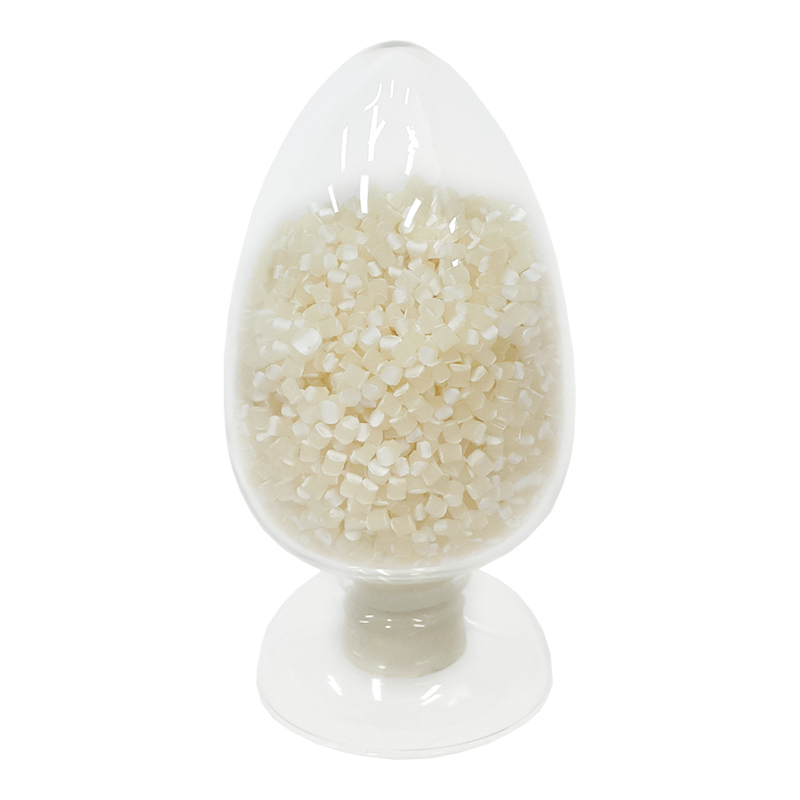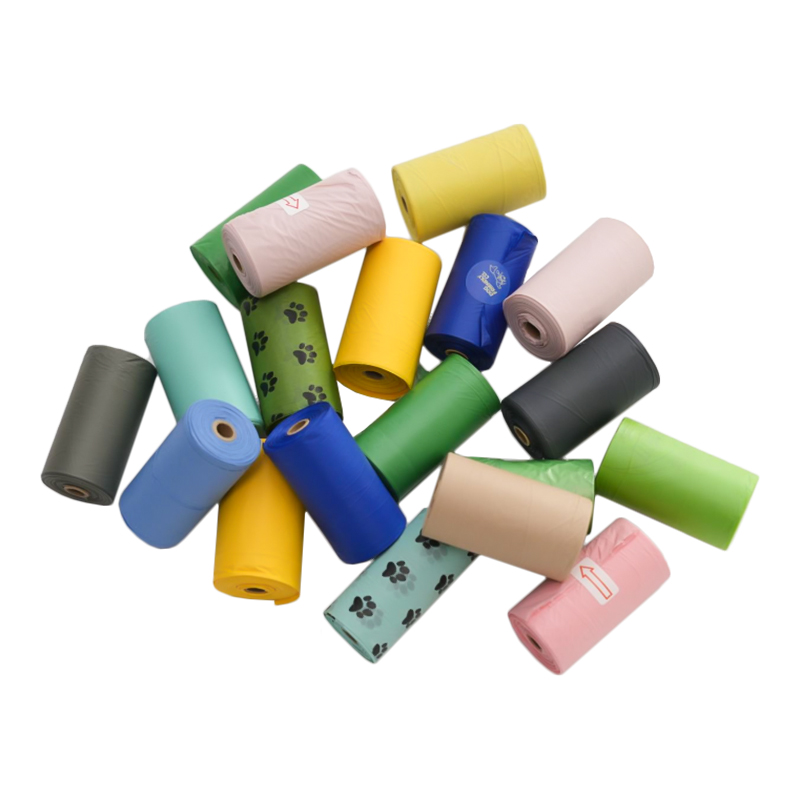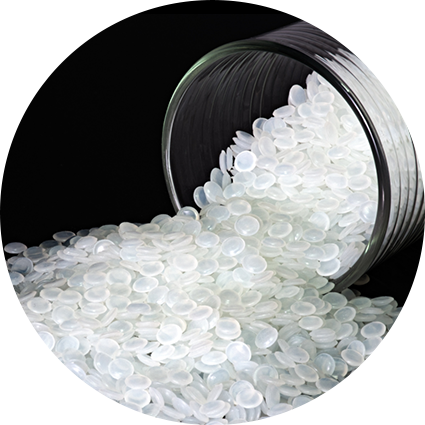

The transition from fossil fuel dependencies to renewable resources is one of the most significant shifts in modern industrial chemistry. At the center of this movement is the development and implementation of bio-based environmentally friendly resin, a category of high performance polymers derived from biological sources such as plant oils, lignin, starches, and agricultural waste. Unlike traditional petroleum based resins, which contribute heavily to carbon emissions and environmental persistence, bio-based alternatives offer a pathway to reduce the ecological footprint of manufacturing while maintaining or even exceeding the mechanical properties of conventional materials. This article provides a detailed examination of the chemical composition, industrial applications, performance advantages, and technical integration of these sustainable resins into various sectors of the global economy.
Modern manufacturing requires materials that are not only strong and versatile but also compliant with increasingly strict environmental regulations. The adoption of bio-based environmentally friendly resin is no longer just a trend for niche eco-products but is becoming a standard requirement for major industries ranging from automotive and aerospace to construction and consumer electronics. By utilizing renewable carbon content, manufacturers can effectively lower the lifecycle carbon footprint of their products, providing a significant advantage in markets that value sustainability and environmental stewardship.
[Image description: A detailed scientific diagram showing the molecular conversion of plant based oils into cross linked bio-resin structures]
Understanding the performance of bio-based environmentally friendly resin requires an analysis of its molecular foundations. These resins are typically categorized by the type of biological feedstock used and the chemical processes required to convert these raw materials into functional thermoset or thermoplastic polymers. The most common bio-resins currently in use are derived from vegetable oils, particularly soybean and linseed oils, as well as wood derivatives like lignin and cashew nut shell liquid.
Vegetable oils are composed primarily of triglycerides, which contain long chain fatty acids with varying degrees of unsaturation. These double bonds are the key to converting the liquid oil into a solid resin. Through a process known as epoxidation, these double bonds are reacted with peroxyacids to create epoxy groups. These functional groups allow the bio-based oil to act as a reactive prepolymer that can be cross linked with various hardeners to form a rigid, durable matrix.
The length and flexibility of the fatty acid chains provide bio-based environmentally friendly resin with unique mechanical properties, such as improved impact resistance and flexibility compared to the often brittle nature of petroleum based epoxies. Furthermore, the chemical structure of these oils allows for the easy integration of other bio-based components, creating a high performance bio-based epoxy that is suitable for demanding structural applications. Manufacturers can tune the density of the epoxy groups to achieve specific levels of hardness and thermal stability, making these resins highly adaptable to different engineering requirements.
While vegetable oils provide flexibility, other bio-based sources are used to provide the structural rigidity and thermal resistance typically associated with aromatic compounds in traditional resins. Lignin, a complex organic polymer found in the cell walls of plants, is a rich source of phenolic structures. By extracting and modifying lignin, chemists can produce resins that exhibit high glass transition temperatures and excellent fire retardant properties.
Similarly, cardanol, which is extracted from cashew nut shell liquid, serves as a renewable alternative to petroleum derived phenols. Cardanol based resins are particularly valued for their excellent chemical resistance and hydrophobic nature. Because cardanol molecules contain a long aliphatic side chain, they provide a balance between the rigidity of the aromatic ring and the flexibility of the hydrocarbon chain. This unique combination makes cardanol based bio-based environmentally friendly resin an ideal choice for heavy duty protective coatings and marine applications where water resistance and durability are paramount.
The primary concern for engineers when switching to sustainable materials is whether the performance will remain consistent. Extensive testing and real world application have shown that bio-based environmentally friendly resin provides several technical advantages that go beyond its environmental credentials. These benefits include improved adhesion, lower toxicity, and superior environmental resistance.
One of the standout features of many bio-resins is their superior ability to bond with various substrates, including natural fibers like flax, hemp, and jute. In the production of eco friendly composite materials, the chemical compatibility between the resin matrix and the reinforcing fibers is crucial for mechanical integrity. Bio-based resins often contain polar functional groups that create strong hydrogen bonds with the cellulose and lignin found in natural fibers.
This enhanced interfacial bonding results in composites with higher interlaminar shear strength and better stress distribution. When used in construction or automotive panels, these bio-based systems resist delamination more effectively than traditional resins that may require expensive chemical coupling agents to achieve the same level of adhesion. The natural origin of the resin ensures that the entire composite system behaves more uniformly under thermal and mechanical stress, reducing the likelihood of internal failure points.
Traditional resin systems often release high levels of volatile organic compounds during the curing process and throughout the life of the product. These emissions contribute to indoor air pollution and can pose health risks to factory workers and end users. Bio-based environmentally friendly resin is specifically formulated to minimize or eliminate these harmful emissions. Because the raw materials are derived from natural sources, the resulting resins often have lower vapor pressures and contain fewer toxic solvents.
Low VOC bio-resin applications are particularly important in the building and furniture industries, where air quality standards are strictly enforced. Using these resins allows manufacturers to create products that meet or exceed Green Guard and other health certifications. Furthermore, the reduction in chemical odors makes the manufacturing environment safer and more comfortable for workers, reducing the need for elaborate and expensive ventilation systems while improving overall operational safety.
|
Comparison Feature |
Bio-Based Environmentally Friendly Resin |
Traditional Petroleum Based Resin |
|---|---|---|
|
Feedstock Source |
Renewable plant oils and agricultural waste |
Finite fossil fuels and petrochemicals |
|
Carbon Footprint |
Significantly lower through carbon sequestration |
High due to extraction and processing |
|
VOC Emissions |
Minimal to zero during curing and use |
Often high requiring strict ventilation |
|
Adhesive Strength |
Excellent especially with natural fiber substrates |
Good but often requires synthetic primers |
|
Impact Resistance |
Higher flexibility and energy absorption |
Typically more brittle and prone to cracking |
|
Thermal Stability |
Comparable with specialized bio-formulations |
High but dependent on synthetic additives |
[Image description: A side by side comparison showing a traditional resin versus a bio-resin under stress testing]
Transitioning to bio-based environmentally friendly resin does not necessarily require a complete overhaul of existing manufacturing infrastructure. One of the greatest strengths of modern bio-resins is their drop in compatibility with standard processing techniques such as vacuum infusion, resin transfer molding, and hand lay up.
In the manufacturing of complex composite parts, the viscosity of the resin is a critical factor. Petroleum based resins are often diluted with styrene or other thinners to achieve the low viscosity required for infusion. Bio-based resins can be engineered to have a naturally low viscosity without the need for hazardous diluents. This allows the resin to flow smoothly through the fiber reinforcement, ensuring complete wetting and eliminating dry spots or voids in the final part.
Because the curing kinetics of bio-based environmentally friendly resin can be adjusted through the choice of hardener and catalyst, manufacturers can maintain their existing production cycles. Whether a process requires a rapid room temperature cure or a controlled high temperature bake, bio-based systems can be formulated to match those parameters. This ease of integration allows companies to improve their sustainability profile without sacrificing throughput or efficiency.
The rise of additive manufacturing has created a new demand for specialized resins that can be cured using ultraviolet light. Bio-based photopolymers are now being developed to replace traditional acrylates and epoxies in stereolithography and digital light processing. These bio-based environmentally friendly resin formulations for 3D printing offer high resolution and excellent surface finish while reducing the environmental impact of the printing process.
For industries like dental medicine or jewelry design, where small, precise parts are required, the use of bio-based resins provides a safer alternative for both the operator and the environment. These resins exhibit low shrinkage during the curing process, which is essential for maintaining dimensional accuracy in complex geometries. As the technology matures, we are seeing bio-based resins used in the creation of functional prototypes and end use parts that are both durable and sustainable.
A common misconception is that bio-based materials will degrade quickly when exposed to the elements. However, bio-based environmentally friendly resin is engineered for long term stability and resistance to UV radiation, moisture, and chemical exposure. The same chemical structures that protect plants in nature can be harnessed to protect industrial products.
Many petroleum based resins suffer from yellowing and embrittlement when exposed to sunlight for extended periods. This is caused by the breakdown of molecular chains under UV radiation. Certain bio-based resins, particularly those derived from saturated plant oils or specialized lignin fractions, exhibit inherent UV resistance. The presence of natural antioxidants and stable chemical bonds helps the resin maintain its color and mechanical strength even in harsh outdoor environments.
In the construction industry, this makes bio-based environmentally friendly resin an excellent choice for external coatings, sealants, and structural panels. These materials can withstand years of sun exposure and temperature fluctuations without losing their protective properties. By reducing the frequency of maintenance and replacement, these durable bio-resins contribute to the overall sustainability of the built environment.
Protecting substrates from moisture is one of the primary functions of any resin system. Bio-based resins derived from cardanol or specific fatty acids are naturally hydrophobic, meaning they repel water rather than absorbing it. This property is vital for preventing the swelling and rotting of wooden structures or the corrosion of metal components. When used as a protective coating, bio-based environmentally friendly resin creates a dense, non-porous barrier that prevents water molecules from reaching the substrate.
In the marine industry, where components are constantly submerged or exposed to salt spray, the moisture resistance of bio-resins is a major performance factor. These resins do not suffer from the osmotic blistering that can plague traditional gel coats and laminates. The long aliphatic chains in the bio-based structure provide a flexible barrier that can expand and contract with the substrate, maintaining the seal even under physical stress or thermal cycling.
[Image description: A photograph of a marine vessel coated with a bio-based protective resin showing excellent water bead formation]
While bio-based environmentally friendly resin is significantly safer than traditional options, it is still a reactive chemical system that requires proper handling and safety protocols. Ensuring the well being of the workforce and the integrity of the product involves understanding the specific requirements for storage, mixing, and application.
To maintain the quality and reactivity of bio-based resins, they must be stored in controlled environments. Most bio-resins are sensitive to extreme temperatures and high humidity. Exposure to moisture can cause certain bio-based components to hydrolyze or can introduce unwanted water into the curing reaction, leading to foaming or poor mechanical properties. Containers should be kept tightly sealed and stored in a cool, dry area away from direct sunlight.
The shelf life of bio-based environmentally friendly resin can vary depending on the formulation. While some systems are stable for over a year, others may have more limited windows of peak performance. Manufacturers should implement a first in first out inventory system to ensure that the oldest stock is used first. Regularly checking the viscosity and clarity of the resin before use can help identify any batches that may have begun to degrade or contaminated.
When mixing bio-based resins with hardeners, it is essential to follow the manufacturer specified mix ratios precisely. Because bio-based systems can be more sensitive to stoichiometry than some traditional epoxies, even small errors in the ratio can lead to incomplete curing or a loss of physical properties. Using accurate digital scales and ensuring thorough mixing is critical for achieving a consistent result.
Personnel should still wear appropriate personal protective equipment, including gloves and eye protection, when handling unreacted resins and hardeners. Although the toxicity is lower, skin contact can still cause sensitization or irritation in some individuals. Providing clear safety data sheets and training workers on the specific characteristics of the bio-based environmentally friendly resin being used will ensure a smooth and safe production process.
Maintaining the equipment used to apply bio-based resins is straightforward but requires consistency. Uncured resin can usually be cleaned from tools and surfaces using bio-based solvents or mild alcohols. It is important to clean equipment immediately after use to prevent the resin from hardening inside pumps, hoses, or spray nozzles. Once the resin has cured, it becomes highly resistant to most solvents, making cleaning much more difficult.
Regularly inspecting application equipment for signs of wear or clogs will prevent downtime and ensure a high quality finish on the final products. For automated systems, ensuring that the mixing heads are properly calibrated and that the temperature controls are functioning correctly will allow the bio-based environmentally friendly resin to perform at its maximum potential throughout the production run. By following these technical guidelines, manufacturers can successfully transition to sustainable materials while improving the quality and safety of their operations.
[Image description: A worker wearing protective gear accurately weighing bio-resin components in a clean laboratory setting]




+86 18101032584
No. 60-1, Jichuan East Road, HailingIndustrial Park, Hailing District, Taizhou City.


Copyright© Taizhou Huangyan Zeyu New Material Technology Co., Ltd. All Rights Reserved.
 Custom Fully Degradable Raw Material Manufacturers


 English
 Français
 Español
 Deutsch
 italiano