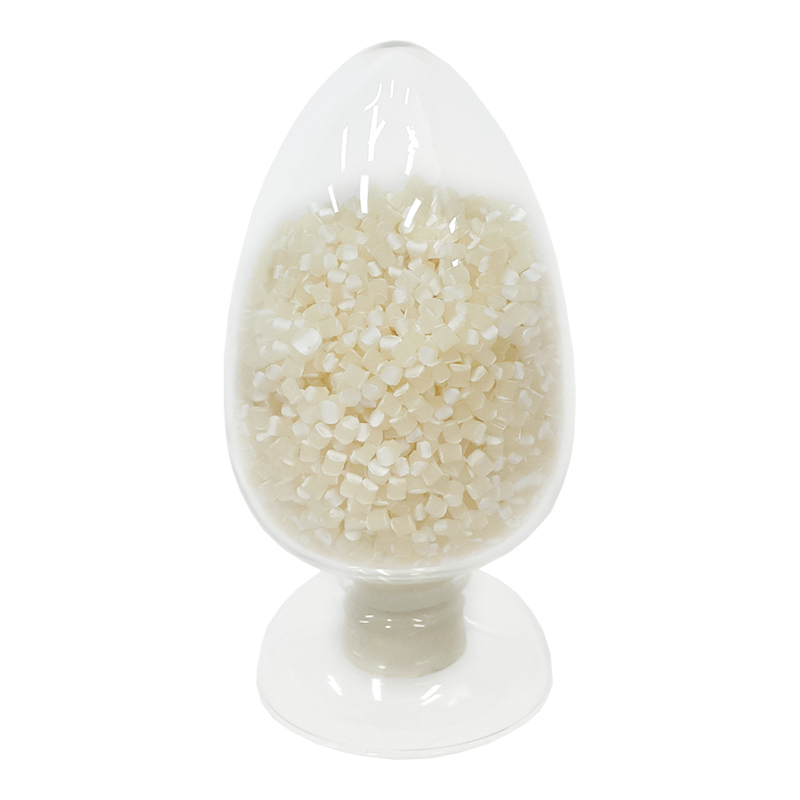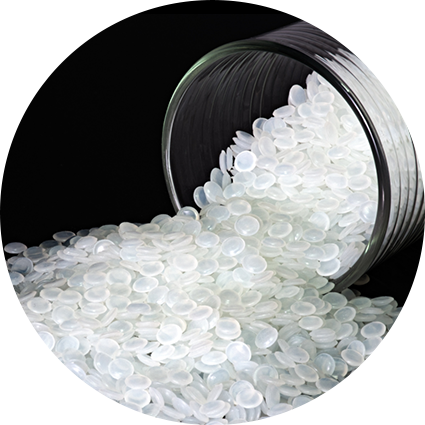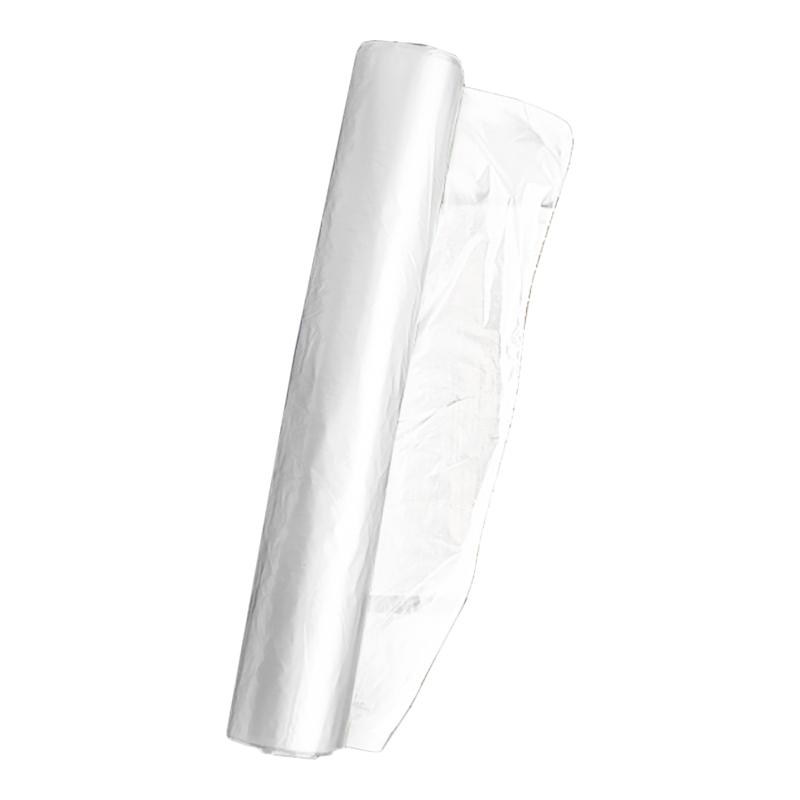

A bio‑based environmentally friendly resin is a resin derived wholly or partially from renewable biological resources, rather than from petrochemicals. These resins are produced from natural raw materials such as plant oils (soybean, linseed, castor), carbohydrates (starch, cellulose), lignin, terpenes, and other biomass feedstocks. The term "environmentally friendly" encompasses not only the renewable origin but also factors such as reduced toxicity, lower carbon footprint, biodegradability, and recyclability.
Bio‑based resins are typically classified into two main categories: natural resins (which occur in nature, such as rosin) and synthetic bio‑based resins (which are chemically modified from natural sources to achieve specific properties). Examples include polylactic acid (PLA), polyhydroxyalkanoates (PHA), bio‑epoxy resins, bio‑polyurethanes, and bio‑polyesters.
These resins are used in a variety of applications, including coatings, adhesives, composites, inks, and molded parts. They are increasingly replacing conventional resins derived from petroleum, helping industries meet sustainability goals while maintaining performance.
The production of bio‑based environmentally friendly resin involves converting biomass into monomers or polymers that can be used as building blocks for resins. The process varies depending on the feedstock and the type of resin being produced.
For example, bio‑epoxy resins are often made from epoxidized vegetable oils (such as epoxidized soybean oil) or from lignin derivatives. The vegetable oil is chemically modified to introduce epoxy groups, which can then be cross‑linked with hardeners to form a thermosetting resin. Similarly, bio‑polyurethanes are produced by reacting bio‑based polyols (derived from vegetable oils or sugars) with isocyanates.
Another route is the fermentation of sugars to produce lactic acid, which is then polymerized to form polylactic acid (PLA). PLA is a thermoplastic bio‑based resin used extensively in packaging and 3D printing. Similarly, polyhydroxyalkanoates (PHA) are produced by bacterial fermentation of sugars or lipids.
Lignin, a abundant by‑product of the paper and pulp industry, is being increasingly used as a feedstock for bio‑based resins. Lignin can be converted into phenolic compounds that replace petrochemical phenol in phenol‑formaldehyde resins, used in plywood, insulation, and composites.
The production of bio‑based resins is continuously evolving, with research focused on improving yield, reducing cost, and expanding the range of properties. Advances in biotechnology and green chemistry are making it possible to produce bio‑based resins with performance comparable to or even exceeding that of petroleum‑based counterparts.
There is a wide variety of bio‑based resins, each with distinct properties and applications. Below are the most common types:
Bio‑epoxy resins are derived from vegetable oils (soybean, linseed, castor) or lignin. They are increasingly used in composites, coatings, and adhesives. Bio‑epoxies offer excellent adhesion, chemical resistance, and mechanical properties, with some formulations achieving performance comparable to conventional bisphenol A (BPA)‑based epoxies. They are particularly attractive for automotive and aerospace applications where lightweight and sustainability are critical.
Bio‑polyurethanes are produced using bio‑based polyols derived from vegetable oils, sugars, or lignin. They are used in flexible and rigid foams, coatings, adhesives, and elastomers. Bio‑polyurethanes can replace petroleum‑based polyols, reducing the carbon footprint of polyurethane products, which are used in furniture, insulation, automotive interiors, and footwear.
PLA is a thermoplastic bio‑based resin made from fermented plant starch (usually corn or sugarcane). It is biodegradable and compostable under industrial conditions. PLA is widely used in packaging, disposable tableware, textile fibers, and 3D printing filaments. While it has good clarity and strength, it has lower heat resistance compared to some conventional plastics, though newer grades are improving.
PHA is a family of bio‑based and biodegradable polyesters produced by bacterial fermentation. PHAs are fully biodegradable in marine and soil environments, making them suitable for single‑use plastics and agricultural films. They have properties similar to polypropylene and polyethylene and are used in packaging, medical devices, and disposable items.
Bio‑polyamides are derived from bio‑based monomers such as sebacic acid (from castor oil) and decamethylenediamine. They are used in engineering plastics, automotive components, and textiles. Bio‑polyamides offer high strength, thermal stability, and chemical resistance, making them suitable for demanding applications.
Lignin, a natural polymer found in plant cell walls, is a by‑product of the paper and pulp industry. It can be used as a substitute for phenol in phenolic resins, reducing the reliance on petrochemicals. Lignin‑based resins are used in plywood, particleboard, insulation foams, and composite materials. They offer good thermal stability and fire resistance.
Rosin, derived from pine trees, is used to produce resins for adhesives, coatings, and printing inks. Rosin esters are used as tackifiers in hot‑melt adhesives and pressure‑sensitive adhesives. They are renewable, non‑toxic, and biodegradable.
Bio‑based environmentally friendly resins offer several compelling benefits over traditional petroleum‑based resins.
Reduced Carbon Footprint: Bio‑based resins are derived from renewable biomass, which absorbs carbon dioxide during growth. This results in significantly lower life‑cycle greenhouse gas emissions compared to fossil‑based resins, especially when combined with renewable energy in production.
Renewable Feedstock: Unlike petroleum, which is finite, biomass is renewable and can be produced sustainably. This reduces dependence on fossil fuels and enhances resource security.
Biodegradability and Compostability: Many bio‑based resins, such as PLA and PHA, are biodegradable under appropriate conditions. This helps reduce plastic waste in landfills and oceans, especially for single‑use products.
Lower Toxicity: Bio‑based resins often contain fewer hazardous substances compared to their petroleum‑based counterparts. For example, some bio‑epoxies are free of bisphenol A (BPA), which is a known endocrine disruptor.
Good Mechanical and Thermal Properties: Advances in formulation have enabled bio‑based resins to achieve properties comparable to conventional resins. Some bio‑based polymers even outperform their fossil‑based counterparts in specific areas, such as impact resistance or transparency.
Versatility: Bio‑based resins can be tailored for a wide range of applications, from flexible packaging to high‑performance composites, offering manufacturers design flexibility.
Regulatory Compliance and Market Appeal: With increasing regulations on single‑use plastics and carbon emissions, bio‑based resins help manufacturers comply with environmental standards. They also appeal to environmentally conscious consumers, enhancing brand image.
The versatility of bio‑based environmentally friendly resin allows it to be used across numerous industries. Below are some of the most significant applications.
PLA, PHA, and bio‑based polyethylene are increasingly used in food packaging, bottles, films, and disposable tableware. These materials offer good barrier properties and are compostable or recyclable, helping reduce plastic waste.
Bio‑based resins are used in interior components, such as door panels, dashboards, and seat foams, as well as in under‑the‑hood applications like engine covers and air intake manifolds. They contribute to weight reduction and lower vehicle emissions.
Bio‑based resins are used in adhesives, sealants, coatings, and composite materials for construction. Lignin‑based phenolic resins are used in plywood and insulation. Bio‑based polyurethanes are used in foams for insulation and sealants.
Bio‑epoxy and bio‑polyurethane resins are used in protective coatings for metal, wood, and concrete, as well as in adhesives for wood bonding, laminates, and structural applications. Rosin‑based tackifiers are used in hot‑melt adhesives.
Bio‑based resins are increasingly used as matrices for natural fiber composites, such as flax, hemp, and jute, in automotive interiors, sporting goods, and consumer products. These bio‑composites offer a reduced environmental footprint compared to traditional glass‑fiber composites.
Bio‑based resins are used in printed circuit boards, encapsulants, and casings due to their good dielectric properties and thermal stability.
PLA is one of the most popular materials for fused deposition modeling (FDM) 3D printing because of its ease of use, low odor, and biodegradability. Other bio‑based resins are also being developed for additive manufacturing.
Despite their advantages, bio‑based environmentally friendly resins face several challenges that need to be addressed for broader adoption.
Cost: Bio‑based resins are often more expensive than their petroleum‑based counterparts due to the higher cost of raw materials, processing, and scale of production. However, as technology advances and production scales up, costs are expected to decrease.
Performance Limitations: Some bio‑based resins have lower heat resistance, moisture sensitivity, or mechanical strength compared to conventional resins. For example, PLA has a relatively low glass transition temperature, limiting its use in high‑temperature applications. Research is ongoing to improve these properties through blending, copolymerization, and compounding.
Limited Feedstock Availability: The production of bio‑based resins relies on agricultural crops, which may compete with food production and land use. Sustainable sourcing and use of waste biomass (like agricultural residues and lignin) are being developed to mitigate this issue.
End‑of‑Life Options: While some bio‑based resins are biodegradable, they often require specific industrial composting conditions. Improper disposal can still lead to environmental issues. Recycling infrastructure for bio‑based plastics is also less developed.
Market Acceptance: Some industries may be hesitant to switch to bio‑based resins due to concerns about reliability, supply chain stability, and performance. Education and certification can help build trust.
Despite these challenges, the bio‑based resin market is growing rapidly, driven by technological innovations and increasing regulatory pressure.
The sustainability of bio‑based environmentally friendly resin goes beyond its renewable origin. Life‑cycle assessments (LCAs) have shown that many bio‑based resins have lower carbon footprints, reduced energy consumption, and fewer toxic emissions compared to their fossil‑based equivalents. However, the environmental benefit depends on factors such as feedstock sourcing, land‑use change, production processes, and end‑of‑life management.
To maximize sustainability, it is crucial to use non‑food biomass, such as agricultural residues, forestry waste, and algae, to avoid competition with food production. Additionally, using renewable energy in production and designing products for easy recycling or composting further enhances environmental benefits. Many manufacturers are pursuing certifications like ISCC PLUS or USDA BioPreferred to verify their bio‑based content.
Overall, bio‑based resins are a key component of the circular economy, offering a path toward reducing dependence on finite fossil resources and mitigating climate change.
The bio‑based environmentally friendly resin market is poised for significant growth, driven by several key trends:
Advanced Feedstock Utilization: Research is focusing on using lignocellulosic biomass, agricultural residues, and even carbon dioxide as feedstocks for bio‑based resins, reducing competition with food and lowering costs.
Improved Properties: Nanotechnology and polymer blending are being used to enhance the mechanical, thermal, and barrier properties of bio‑based resins, making them competitive with high‑performance engineering plastics.
Bio‑Based Thermosets: New formulations of bio‑based thermosetting resins, such as bio‑epoxies and bio‑phenolics, are being developed for high‑temperature and structural applications, expanding their use in automotive and aerospace.
Circular Design: Designing bio‑based products for easy recyclability or biodegradability is becoming a priority, with many companies adopting cradle‑to‑cradle principles.
Scale‑Up and Cost Reduction: Investment in large‑scale production facilities is expected to drive down costs, making bio‑based resins more competitive with petroleum‑based alternatives.
Regulatory Support: Governments worldwide are introducing policies and incentives to promote bio‑based materials, including tax breaks, subsidies, and mandates for bio‑based content in specific products.
These trends indicate that bio‑based environmentally friendly resins will play an increasingly important role in the transition toward a sustainable, low‑carbon economy.
It is a resin derived wholly or partially from renewable biological sources, such as plants, vegetable oils, and agricultural waste. It offers a sustainable alternative to petroleum‑based resins with lower carbon footprint, reduced toxicity, and often biodegradability.
Common types include bio‑epoxy, bio‑polyurethane, polylactic acid (PLA), polyhydroxyalkanoates (PHA), bio‑polyamides, lignin‑based resins, and rosin‑based resins. Each has unique properties and applications.
Some bio‑based resins, such as PLA and PHA, are biodegradable under specific industrial composting conditions. However, others like bio‑epoxy and bio‑polyurethane are not inherently biodegradable, though they may be recyclable. Biodegradability depends on the chemical structure.
Many bio‑based resins have comparable or even superior properties in terms of strength, flexibility, and chemical resistance, especially with recent technological advancements. However, some may have lower heat resistance or moisture stability, which is being improved through research.
Some bio‑based resins, particularly bio‑epoxies and bio‑phenolics, are suitable for high‑temperature applications. Others, like PLA, have lower heat resistance. New formulations are expanding the temperature range.
Currently, many bio‑based resins are more expensive due to limited production scale and raw material costs. However, as demand grows and production scales up, costs are expected to become more competitive.
They are used in packaging, automotive, construction, coatings, adhesives, composites, electronics, and 3D printing. The range is expanding as new applications are developed.
Some bio‑based resins, like PLA, can be recycled through existing recycling streams, though infrastructure is still developing. Others are designed for composting. It depends on the specific resin and local recycling capabilities.
Bio‑based resins used in food contact applications must comply with regulations such as FDA and EU food contact standards. Many are considered safe, but each product must be tested and approved.
Benefits include reduced greenhouse gas emissions, decreased reliance on fossil fuels, lower toxicity, and often biodegradability or compostability. They also promote the use of renewable resources and waste biomass.
Certifications such as USDA BioPreferred, ISCC PLUS, and DIN CERTCO provide verification of bio‑based content through standardized testing, typically using carbon‑14 analysis (ASTM D6866).
Challenges include higher cost, performance limitations in some applications, limited feedstock availability, and the need for improved recycling and composting infrastructure. Ongoing research and policy support are addressing these issues.
Yes, bio‑based resins are increasingly used as matrices for natural fiber composites, offering lightweight, sustainable alternatives for automotive, construction, and consumer goods.
Generally, bio‑based resins have lower toxicity and contain fewer hazardous substances (e.g., BPA‑free epoxies). However, specific formulations may still contain additives that require proper handling. Always refer to safety data sheets.
The market is expected to grow significantly, driven by environmental regulations, consumer demand, and technological advancements. Innovations in feedstock utilization and performance enhancement will further expand their adoption across industries.




+86 18101032584
No. 60-1, Jichuan East Road, HailingIndustrial Park, Hailing District, Taizhou City.


Copyright© Taizhou Huangyan Zeyu New Material Technology Co., Ltd. All Rights Reserved.
 Custom Fully Degradable Raw Material Manufacturers


 English
 Français
 Español
 Deutsch
 italiano